Kishan Reddy Chairs Mines Ministry Review in New Delhi
Synopsis
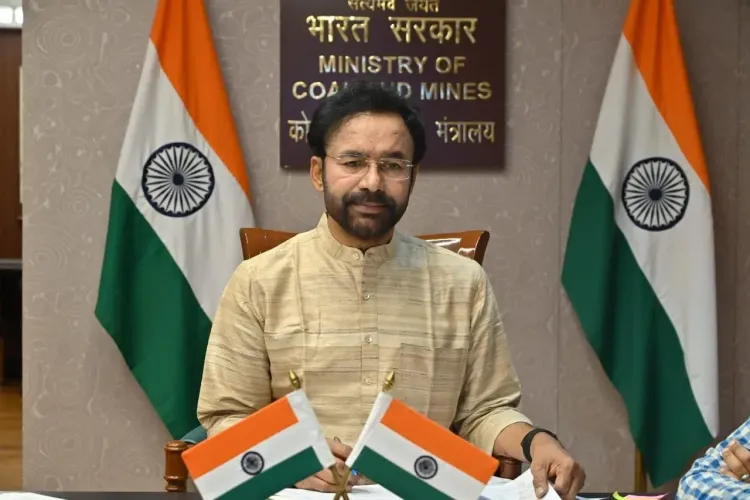
Union Coal and Mines Minister G. Kishan Reddy chaired a high-level Ministry of Mines review in New Delhi on August 7, 2026, covering mineral exploration, critical minerals strategy, block auctions, and ongoing mining reforms with senior officials.
Key Takeaways
Kishan Reddy , Union Minister of Coal and Mines, chaired a Ministry of Mines review meeting in New Delhi on August 7, 2026 .
The agenda covered mineral exploration, critical minerals, mining reforms, and the auction of mineral blocks.
Senior officials of the Ministry of Mines participated in the review.
The meeting follows the Mines and Minerals (Development and Regulation) Amendment Act, 2021 , which restructured India's mineral licensing and auction framework.
Critical minerals — key to EVs, defence, and clean energy — remain a central pressure point in India's mining policy.
Mining companies and state governments are the primary stakeholders watching for auction notifications and rule changes that follow the review.
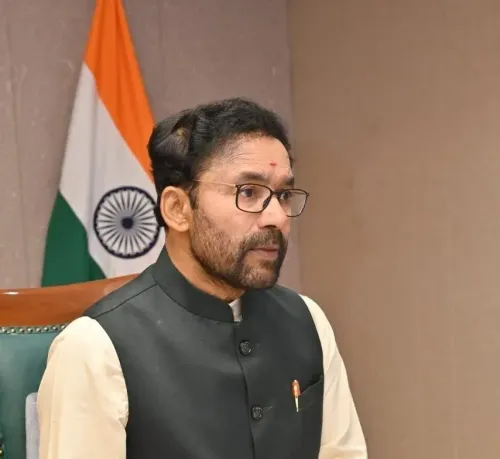
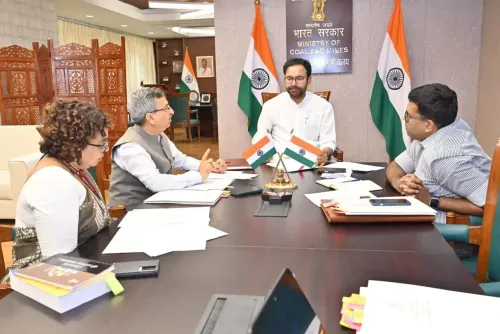
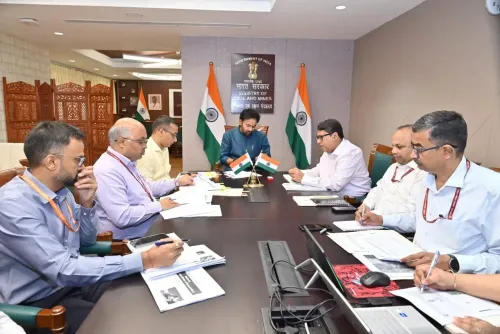
Critical minerals, stalled auction pipelines, and the pace of mining reform — Union Coal and Mines Minister G. Kishan Reddy put all of it on the table at a high-level review of the Ministry of Mines in New Delhi on Friday, August 7, 2026.
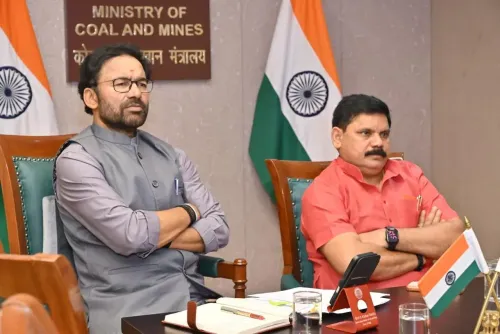
Reddy chaired the meeting with senior ministry officials, covering a broad agenda: mineral exploration, critical minerals strategy, ongoing mining reforms, the auction of mineral blocks, and steps to deepen the overall strength of India's mining sector. The minister shared the update on the official Ministry of Mines handle @MinesMinIndia.
Why the Audit of Mineral Block Auctions Matters Now
India's push to accelerate mineral block auctions is not new — it traces directly to the Mines and Minerals (Development and Regulation) Amendment Act, 2021, which streamlined licensing, widened the scope for exploration licences, and injected fresh momentum into the government's auction calendar. The review signals that momentum is being actively tracked at the ministerial level.
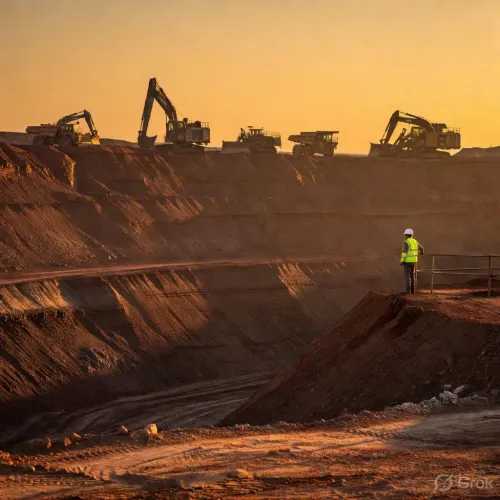
Successive governments have made faster auctions and higher domestic mineral output a strategic priority, chiefly to reduce import dependence on bulk and critical minerals alike. The stakes are real: India's appetite for lithium, cobalt, and rare earth elements — essential for electric vehicles, defence electronics, and clean energy infrastructure — has outpaced domestic supply for years.
Critical Minerals: The Pressure Point Underneath the Agenda
The explicit mention of 'critical minerals' in the meeting agenda is the detail that sharpens this story. Global competition for these resources has intensified sharply, with major economies racing to secure supply chains. For India, building domestic extraction and processing capacity is both an economic and a strategic imperative — and the Ministry of Mines sits at the centre of that effort.
Mining companies and state governments — the two groups with the most at stake in how blocks are auctioned and how reforms are sequenced — will be watching the follow-through from this review closely.
The real test is what comes next: new auction notifications, rule amendments, or exploration licences that move from agenda items to gazette entries.
Point of View
Where India's strategic exposure is growing. Reddy's dual role as Coal and Mines Minister means the energy-minerals nexus sits in a single political hand, which can speed coordination but also concentrates accountability. The explicit focus on block auctions and exploration fits a pattern of using administrative reviews to push bureaucratic timelines ahead of potential policy announcements. Watch for gazette notifications or auction calendar updates in the weeks following this meeting as the real measure of intent.
NationPress
22 Sept 2026
Frequently Asked Questions
What was discussed at the Ministry of Mines review meeting on August 7 2026?
The meeting chaired by Union Minister G. Kishan Reddy covered mineral exploration, critical minerals strategy, mining reforms, the auction of mineral blocks, and measures to strengthen India's overall mining sector.
Who is G. Kishan Reddy?
G. Kishan Reddy is India's Union Minister of Coal and Mines and also serves as the BJP's Telangana state president.
What is India's critical minerals policy?
India is working to boost domestic exploration and extraction of critical minerals such as lithium, cobalt, and rare earths to reduce import dependence, especially for electric vehicles and clean energy. The Ministry of Mines leads this effort.
What is the MMDR Amendment Act 2021?
The Mines and Minerals (Development and Regulation) Amendment Act 2021 streamlined mineral licensing in India, enabled more block auctions, and introduced new provisions for exploration licences to raise domestic mineral output.
What are mineral block auctions in India?
Mineral block auctions are a government process through which mining rights for specific mineral-rich areas are competitively bid on by companies. The 2021 MMDR amendment accelerated this process to increase domestic production and reduce imports.