Kishan Reddy Chairs Mines Ministry Review to Clear Roadmap
Synopsis
Union Mines Minister G. Kishan Reddy chaired a high-level review of the Ministry of Mines on September 30, 2026, targeting pending implementation bottlenecks and charting a forward roadmap for India's mineral sector.
Key Takeaways
Kishan Reddy chaired a review meeting with Ministry of Mines officials on September 30, 2026 .
The meeting aimed to address pending matters and establish a clear implementation roadmap for the mineral sector.
Reddy holds the dual portfolio of Coal and Mines , alongside his role as BJP Telangana state president .
The MMDR Amendment Act 2021 forms the legislative backbone for ongoing auction and production reforms that the ministry is tasked with executing.
Periodic minister-level reviews are a standard mechanism to clear bottlenecks and monitor scheme delivery in the mines sector.
Union Coal and Mines Minister G. Kishan Reddy convened a review meeting with senior officials of the Ministry of Mines on Wednesday, September 30, 2026, pressing for timely outcomes on pending matters and a sharpened implementation roadmap for the country's mineral sector.
What the minister flagged inside the meeting room
Reddy described the session as a deliberate effort to 'take stock of key issues, address pending matters and chart a clear roadmap for the way forward' — language that signals a push against administrative drag. The emphasis on 'timely outcomes and effective implementation' points to a ministry in active course-correction mode, not routine housekeeping.
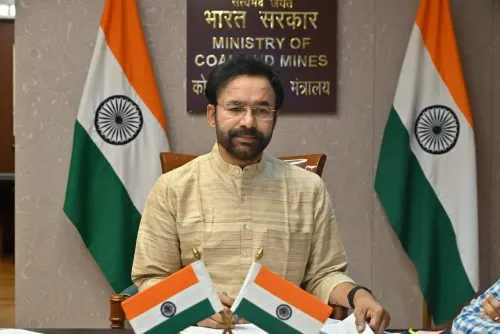
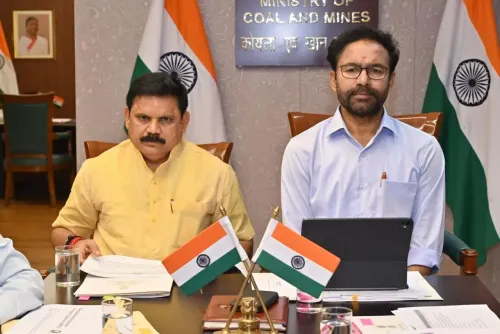
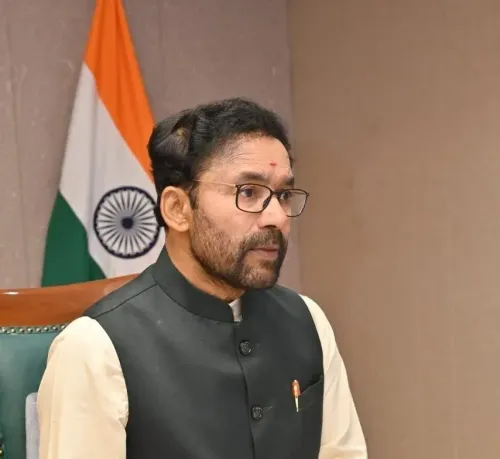
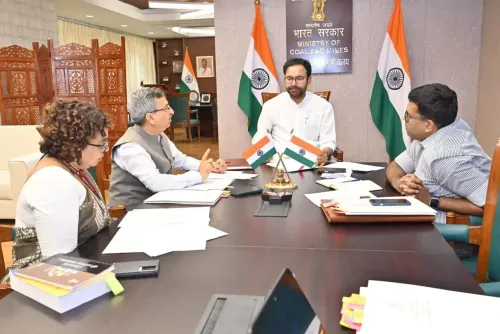
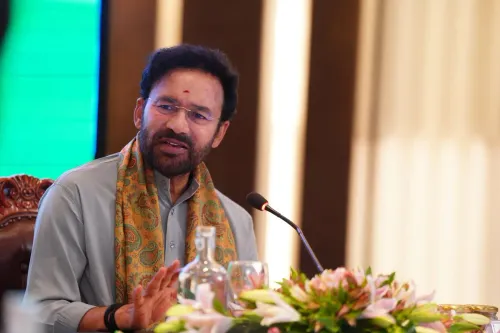
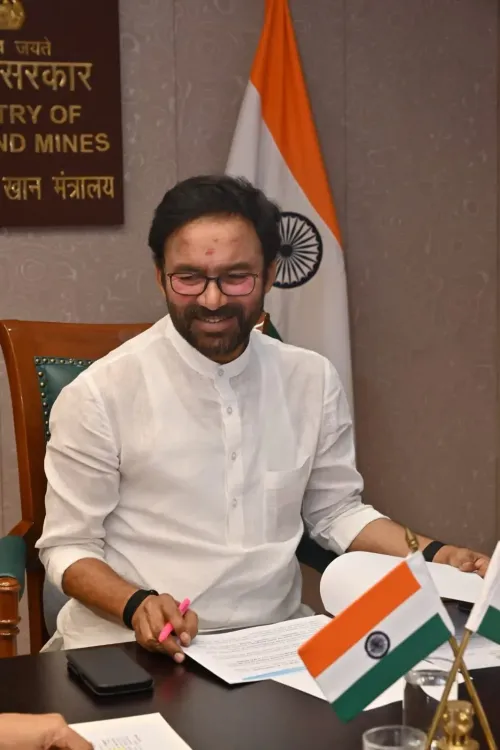
Three images shared alongside the post showed the minister seated with officials in what appeared to be a formal conference setting, lending visible weight to the announcement.
Why the mineral sector review carries stakes
The Ministry of Mines sits at the nerve centre of India's push to build domestic mineral self-reliance — a goal that gained urgency after the MMDR Amendment Act of 2021 overhauled auction processes to accelerate production and reduce dependence on imports. That legislative push, however, is only as effective as its on-ground execution, and periodic internal reviews like this one are the standard mechanism to unblock stalled projects and reset timelines.
India's mineral sector feeds directly into steel, cement, electronics and critical-mineral supply chains. Bottlenecks at the ministry level have downstream consequences across industries — which is precisely why a minister-level review, rather than an officer-level one, carries a different signal.
Reddy's dual mandate: mines and coal
G. Kishan Reddy holds a notably heavy brief — he oversees both the Ministry of Coal and the Ministry of Mines simultaneously, while also serving as BJP Telangana state president. Managing two resource ministries means the pace of administrative clearances and implementation tracking in Mines is in constant competition for attention. Today's dedicated review meeting is a visible signal that the ministry intends to keep that competition from producing neglect.
Any subsequent ministry statement on resolved matters or revised project timelines will be the real test of whether today's session translated into movement on the ground.
Point of View
Rather than a routine officer-level session, signals political ownership of that gap. For Reddy, who simultaneously heads both Coal and Mines, the visible hand on the implementation wheel matters as much as the policy framework itself. The sector's role in critical-mineral and domestic supply-chain strategy means any breakthrough on pending clearances could have outsized downstream impact.
NationPress
30 Sept 2026
Frequently Asked Questions
What did G. Kishan Reddy's Mines Ministry review meeting cover?
The meeting focused on taking stock of key issues, addressing pending matters, and charting an implementation roadmap for the mineral sector, with an emphasis on timely outcomes.
What is the Ministry of Mines responsible for in India?
The Ministry of Mines is the central government body responsible for policy, regulation, and development of India's non-fuel mineral resources, overseeing mining leases, auctions, and sector governance.
What is the MMDR Amendment Act 2021?
The Mines and Minerals (Development and Regulation) Amendment Act of 2021 revamped the mineral auction process in India, aiming to boost domestic production and reduce import dependence.
Does G. Kishan Reddy hold both Coal and Mines portfolios?
Yes, G. Kishan Reddy serves as Union Minister for both Coal and Mines, in addition to his role as BJP Telangana state president.
Why do review meetings in the Ministry of Mines matter?
Periodic review meetings are the primary mechanism to unblock stalled projects and reset implementation timelines; in India's mineral sector, delays at the ministry level have direct downstream effects on industries like steel, cement, and electronics.