Kishan Reddy Chairs Mines Ministry Review on Governance
Synopsis
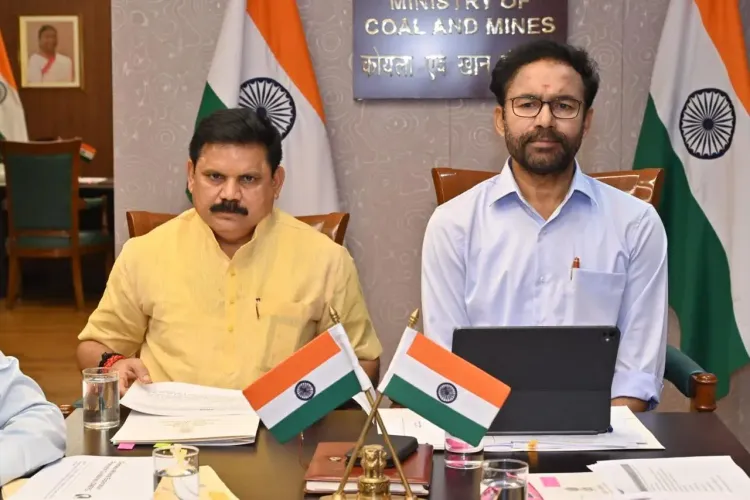
Union Mines Minister G. Kishan Reddy chaired a review meeting with MoS Satish Dubey and ministry officials on 16 July 2026 to evaluate ongoing initiatives, strengthen inter-departmental coordination, and ensure timely implementation of key programmes.
Key Takeaways
Kishan Reddy , Union Minister of Coal and Mines, chaired a review meeting with the Ministry of Mines on 16 July 2026 .
Minister of State Satish Dubey and senior ministry officials attended the session.
The meeting focused on evaluating ongoing initiatives, enhancing coordination, improving governance, and ensuring timely implementation.
India's mineral sector has been governed by auction-based allocation since the landmark MMDR Amendment Act of 2015 , replacing discretionary lease grants.
The review aligns with India's broader push to secure critical minerals for electric vehicles, renewables, and electronics manufacturing.
Follow-up actions may include new auction calendars, state coordination committees, or legislative proposals in the upcoming Parliament session.
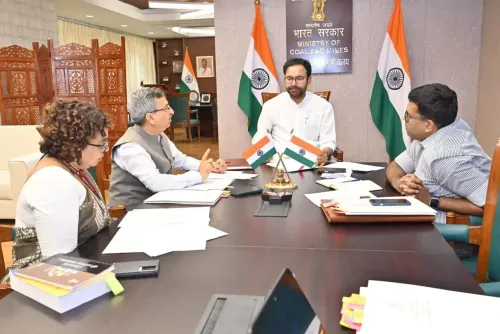
Union Coal and Mines Minister G. Kishan Reddy convened a high-level review meeting with the Ministry of Mines on Thursday, 16 July 2026, to assess the progress of ongoing initiatives and identify measures to strengthen coordination and improve governance across the sector. The meeting was attended by Minister of State for Coal and Mines Satish Dubey and senior ministry officials.
Context
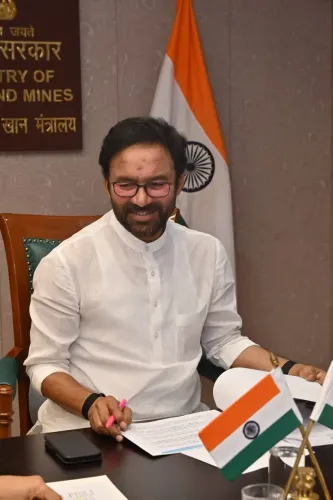
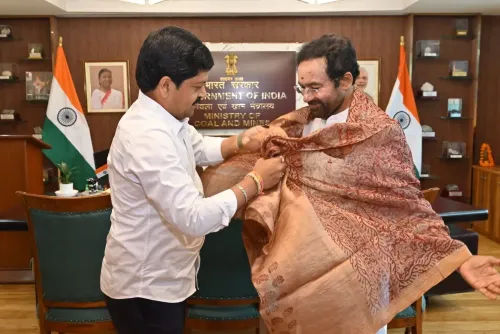
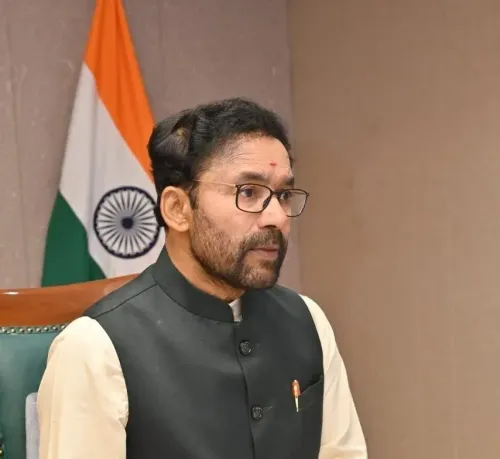
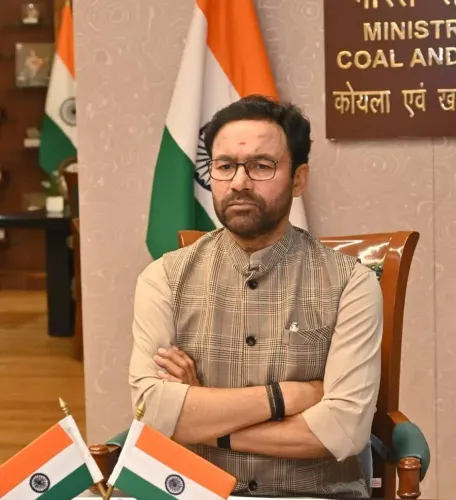
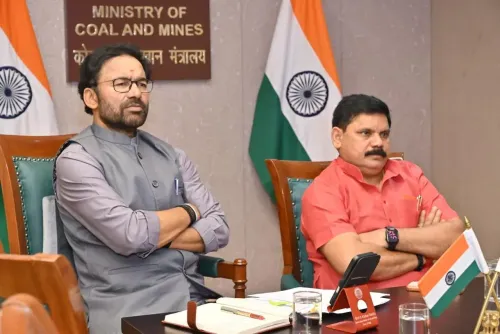
Posting on X, G. Kishan Reddy stated that the meeting aimed to 'evaluate the progress of ongoing initiatives and discuss measures to enhance coordination, improve governance, and ensure timely implementation.' The post, shared from his official handle and tagging @MinesMinIndia, was accompanied by four photographs from the meeting. Satish Dubey, who assists in ministry oversight as Minister of State, was present throughout the session.
The review underscores a pattern of periodic internal assessments that central ministries have adopted since the policy shift of 2014-15, when India moved from discretionary allocation to transparent, auction-based processes for mineral blocks. Such structured reviews are designed to track implementation timelines and resolve inter-departmental bottlenecks before they escalate.
Policy Backdrop
The Mines and Minerals (Development and Regulation) Amendment Act, 2015 was a landmark shift that replaced the earlier first-come-first-served system for mining leases with competitive e-auctions, bringing greater transparency to the sector. Subsequent amendments in 2021 gave state governments greater flexibility in conducting mineral block auctions and introduced provisions for exploration licences, expanding private sector participation.
The National Mineral Policy 2019 further reinforced these objectives by emphasising sustainable mining practices, faster exploration cycles, and reduced import dependence — goals that remain central to the ministry's current agenda. India's push to secure critical minerals for electric vehicles, renewable energy, and electronics manufacturing has added urgency to governance improvements and faster statutory clearances.
Stakeholders and Impact
The outcomes of such review meetings directly affect mining lease holders, state governments, and local communities situated near mineral-rich zones. Improved coordination between the central ministry and state-level bodies can accelerate auction calendars, reduce delays in environmental and forest clearances, and ensure revenue flows reach state exchequers on schedule.
For industry, a more predictable regulatory environment lowers project risk and encourages investment in exploration — particularly in blocks containing critical minerals such as lithium, cobalt, and rare earth elements. Local communities stand to benefit from more structured oversight of mining operations and associated social obligations.
What's Next
Observers will watch for follow-up notifications from the Ministry of Mines regarding new mineral block auction calendars, the formation of state-level coordination committees, or any legislative proposals that may be tabled in the upcoming session of Parliament. The emphasis on 'timely implementation' in the minister's statement suggests that specific deadlines and accountability mechanisms may have been discussed, even if the precise agenda items remain internal to the ministry.
As India accelerates its critical minerals strategy to meet domestic manufacturing targets, governance reforms at the ministry level will remain a key lever — making the outcomes of reviews like this one consequential well beyond routine administrative housekeeping.
Point of View
The ministry signals a command-and-control approach to implementation that goes beyond policy announcements. This mirrors a broader pattern across infrastructure and natural resource ministries under the current government, where periodic review meetings serve as both a governance tool and a political signal of active oversight. The real test will be whether such reviews translate into measurable reductions in auction timelines and clearance delays.
NationPress
15 Oct 2026
Frequently Asked Questions
Why did Kishan Reddy hold a Ministry of Mines review meeting in July 2026?
The meeting was convened to evaluate the progress of ongoing ministry initiatives and discuss steps to improve coordination, governance, and timely implementation of key programmes.
Who is Satish Dubey and what is his role in the Ministry of Mines?
Satish Dubey is the Minister of State for Coal and Mines, responsible for assisting the Union Minister in overseeing ministry operations and coordination.
What is the MMDR Act and why does it matter for Indian mining?
The Mines and Minerals (Development and Regulation) Act , amended significantly in 2015 and 2021 , replaced discretionary lease grants with transparent e-auctions, making it the cornerstone of India's mineral allocation framework.
What are critical minerals and why is India focused on them?
Critical minerals — including lithium, cobalt, and rare earth elements — are essential inputs for electric vehicles, renewable energy systems, and electronics. India is working to expand domestic production to reduce import dependence.
What can we expect from the Ministry of Mines following this review?
Possible follow-up actions include updated mineral block auction calendars, new state-level coordination mechanisms, and potential legislative proposals in the upcoming session of Parliament.