Kishan Reddy Chairs Meet With Maharashtra on Coal, Mines
Synopsis
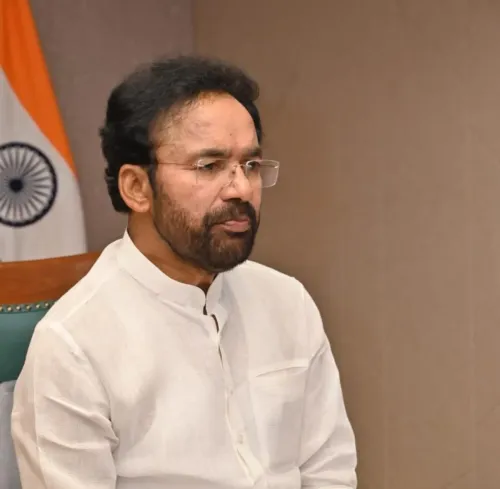
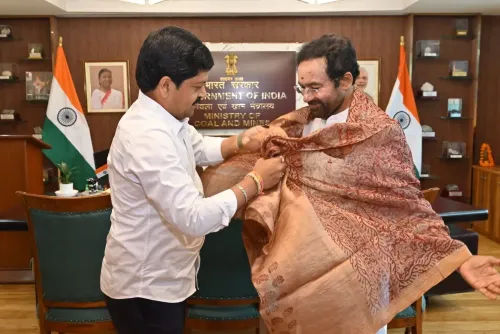
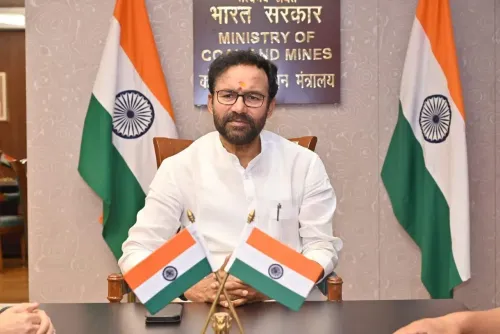
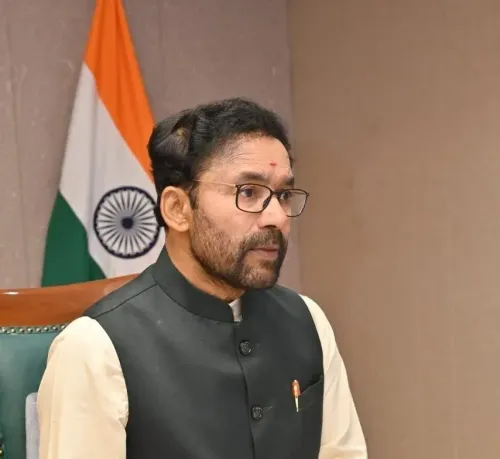
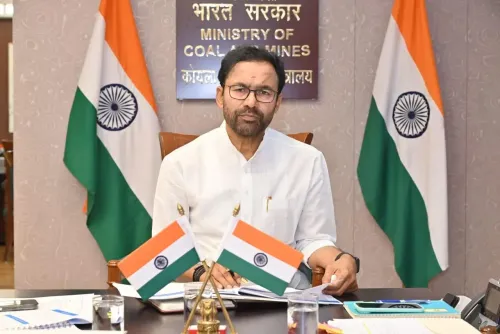
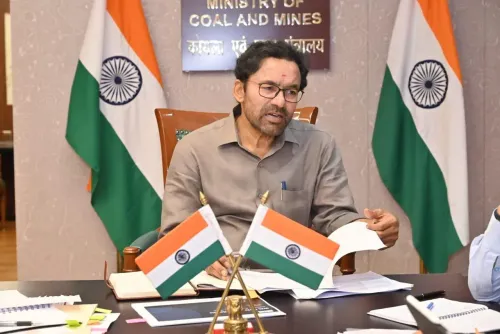
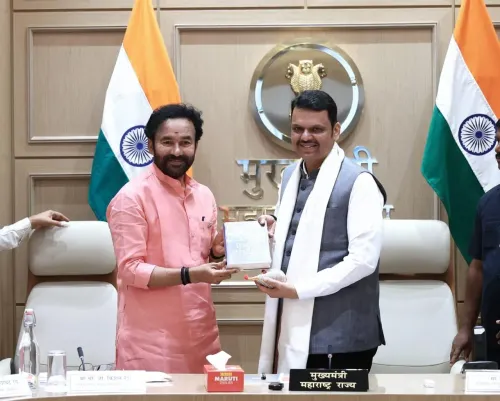
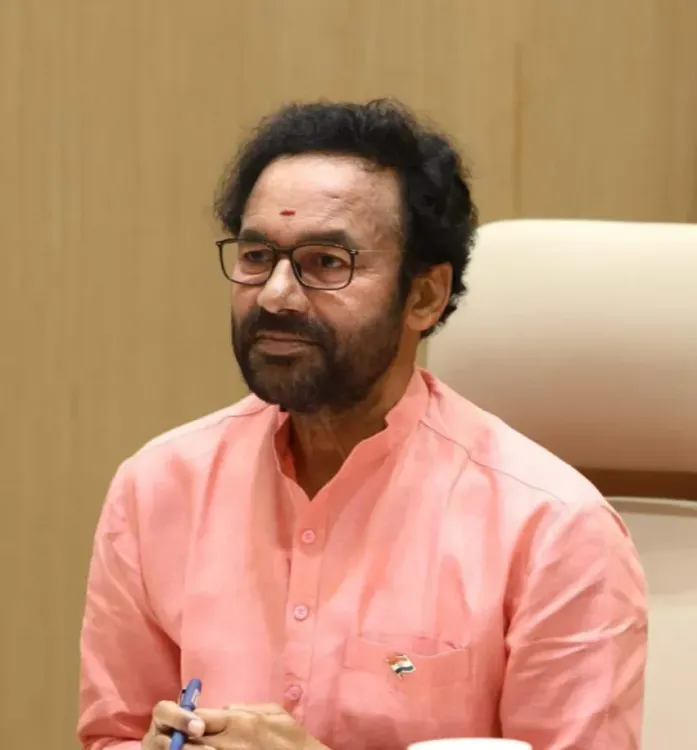
Union Coal and Mines Minister G. Kishan Reddy on June 18, 2026, held a coordination meeting with senior officials from Maharashtra, the Ministry of Coal, and the Ministry of Mines, continuing federal efforts to align mining targets and resolve clearance challenges in the state.
Key Takeaways
Union Coal and Mines Minister G.
Kishan Reddy chaired a coordination meeting on June 18, 2026 .
Senior officials from the Government of Maharashtra , Ministry of Coal , and Ministry of Mines participated.
Maharashtra has coal-bearing districts in the Vidarbha region and significant non-coal mineral deposits.
The meeting is part of ongoing federal coordination under the Mineral Laws (Amendment) Act, 2020 and the MMDR Act framework.
Key issues in such meetings typically include clearance bottlenecks, production targets, and District Mineral Foundation fund utilisation.
Follow-up MoUs or joint statements on new mineral blocks or sustainable mining pilots are possible outcomes to watch.
Union Coal and Mines Minister G. Kishan Reddy on Thursday, June 18, 2026, convened a coordination meeting that brought together senior officials from the Government of Maharashtra, the Ministry of Coal, and the Ministry of Mines to discuss matters concerning coal and mineral development in the state. The meeting signals continued federal-level engagement to align production goals and address implementation challenges in one of India's significant mineral-bearing states.
Context
The Ministry of Coal and the Ministry of Mines routinely hold structured consultations with state governments to resolve clearance bottlenecks, align production targets, and address revenue-sharing disputes. Maharashtra holds both coal-bearing districts — primarily in the Vidarbha region — and substantial non-coal mineral deposits, making it a recurring partner in such federal coordination exercises. The participation of senior officials from both central ministries alongside the state administration underscores the multi-sectoral scope of the discussion.
Policy Backdrop
The meeting takes place against a well-established legislative framework. The Mineral Laws (Amendment) Act, 2020 opened commercial coal mining to private players and expanded the role of states in block allocation, increasing the stakes for state-centre coordination. Earlier, the Mines and Minerals (Development and Regulation) Act amendments of 2015 mandated auction of mineral blocks and established District Mineral Foundations (DMFs), which channel a portion of mining revenues into local community welfare. Effective utilisation of DMF funds and smooth block auctions require precisely the kind of inter-governmental alignment this meeting represents.
Stakeholders and Impact
State governments, mining industry operators, and local communities in mineral-bearing districts are the primary stakeholders in these coordination exercises. For Maharashtra, resolving land acquisition and environmental clearance delays can directly accelerate project timelines and boost state royalty revenues. The mining industry benefits from reduced regulatory uncertainty, while communities in affected districts have a direct interest in how DMF proceeds are deployed for health, education, and infrastructure.
What's Next
Observers will watch for follow-up joint statements, memoranda of understanding on new coal or mineral blocks, or announcements on sustainable mining pilots in Maharashtra. Progress on DMF fund utilisation and any resolution of pending clearances will be key indicators of the meeting's outcomes. As India pushes toward its energy security and critical minerals targets, such state-centre dialogues are expected to intensify in the months ahead.
Point of View
Who also heads the BJP's Telangana unit, visible federal coordination with a BJP-allied state like Maharashtra carries both administrative and political weight. The broader pattern suggests New Delhi is tightening implementation loops as India's critical minerals and energy security ambitions grow more urgent.
NationPress
19 Sept 2026
Frequently Asked Questions
Why did Kishan Reddy meet Maharashtra officials on coal and mines?
The meeting was a federal coordination exercise to align production targets, resolve clearance bottlenecks, and address revenue-sharing issues related to coal and mineral development in Maharashtra.
What is the Ministry of Coal's role in state-level mining?
The Ministry of Coal sets national policy on coal exploration, production, and block allocation, and works with state governments to implement commercial mining reforms introduced under the Mineral Laws (Amendment) Act, 2020.
What is a District Mineral Foundation and why does it matter for Maharashtra?
A District Mineral Foundation is a statutory body funded by a portion of mining royalties, meant to benefit communities in mining-affected districts. Maharashtra's mineral-rich Vidarbha region stands to gain from effective DMF utilisation.
What is the significance of the Mineral Laws Amendment Act 2020 for states like Maharashtra?
The 2020 amendment opened commercial coal mining to private players and gave states a larger role in block allocation, making state-centre coordination more critical for ensuring smooth project execution.
What outcomes can be expected from this coal and mines meeting with Maharashtra?
Possible outcomes include follow-up joint statements, MoUs on new coal or mineral blocks, decisions on pending clearances, and announcements on sustainable mining or DMF fund deployment in the state.