NEET UG 2026 cancelled: What students and parents must know about the paper leak
Synopsis
The total cancellation of NEET UG 2026 — affecting 22 lakh students — marks an unprecedented rupture in India's medical admissions system. A 410-question guess paper, 120 of which matched the actual exam, was sold for up to ₹5 lakh on encrypted platforms. With the CBI now investigating organised syndicates, the crisis has exposed how far fraud networks have outpaced the infrastructure designed to stop them.
Key Takeaways
NEET UG 2026 , held on 3 May 2026 , was cancelled nationwide, affecting over 22 lakh medical aspirants.
A guess paper with 410 questions — reportedly 120 identical to the actual paper — circulated on WhatsApp and Telegram and was sold for ₹20,000 to ₹5 lakh .
The Rajasthan Special Operations Group led the initial investigation; the CBI has since taken over to dismantle the syndicates involved.
The NTA has promised a re-examination with no additional fees or registration requirements.
Courts apply a proportionality test for cancellations; the 2026 case met the threshold as beneficiaries could not be separated from honest candidates.
Experts are urging reforms under the Public Examinations (Prevention of Unfair Means) Act, 2024 , including tamper-proof systems and stronger audit mechanisms.
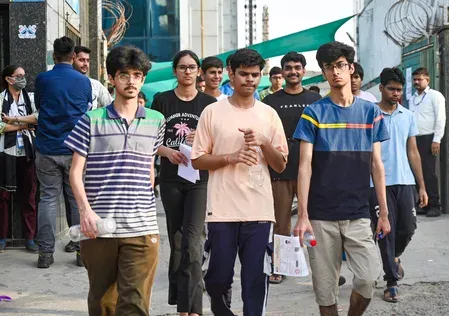
The nationwide cancellation of the National Eligibility-cum-Entrance Test Undergraduate (NEET UG) 2026 has placed the integrity of India's competitive examination system under intense scrutiny, affecting over 22 lakh medical aspirants across the country. The decision, described as one of the most consequential administrative moves in recent memory, followed evidence of a sophisticated paper leak traced to the examination held on 3 May 2026.
How the Leak Unfolded
Investigations led by the Rajasthan Special Operations Group (SOG) uncovered a digital leak in which a guess paper containing 410 questions circulated on encrypted platforms including WhatsApp and Telegram shortly after papers were collected. Of these, reportedly 120 questions were found to be identical to the actual examination paper. According to investigators, these leaked materials were allegedly sold to students for sums ranging from ₹20,000 to ₹5 lakh.
The National Testing Agency (NTA), which administers NEET UG, concluded that the breach was too widespread to isolate specific beneficiaries from honest candidates — a threshold that legally and ethically compelled a full cancellation. The Central Government has since handed the investigation to the Central Bureau of Investigation (CBI) to dismantle the organised syndicates behind the breach. The NTA has also promised a re-examination with no additional fees or registration requirements.
A Decade of Recurring Vulnerabilities
Medical entrance examinations in India have been shadowed by allegations of malpractice for well over a decade. In 2015, the Supreme Court cancelled the All India Pre-Medical Test after answer keys leaked across 10 states, with gangs found using micro-SIMs and Bluetooth devices to transmit answers. The Combined Pre-Medical Test was scrapped in 2014 due to tampered paper boxes. In 2021, a Jaipur candidate was caught receiving the paper via WhatsApp linked to solver gangs, though the NTA termed it an isolated incident.
Most recently, in 2024, Bihar's Economic Offences Unit exposed papers being sold for ₹30 lakh to ₹50 lakh, triggering mass protests. The Supreme Court acknowledged the leak but ruled it was not widespread enough for a full re-examination, though grace marks for 1,500 students were subsequently withdrawn. The 2026 cancellation is notably the first total annulment at this scale, suggesting that fraud networks have evolved faster than testing agencies can defend against them.
Where the System Fails: Structural Vulnerabilities
A single examination paper passes through moderation, translation, printing, and transport before reaching centre-level storage — each stage representing a potential point of failure. Experts note that most high-value leaks require some degree of inside cooperation, making custody chains and rigorous audit logs essential. Risks include unauthorised copies produced at printing presses, weak access controls during last-mile transport, and insider threats in which workers or contractors exploit temporary access to secure zones.
The rise of the Telegram and WhatsApp leak economy has further complicated matters. During exam season, these platforms are flooded with groups promising confirmed leaks in exchange for digital payments — many of which are straightforward cyber frauds targeting panicked students. However, the presence of actual leaked content in 2026 has validated the worst fears of the student community.
The Legal Framework: What Courts Have Said
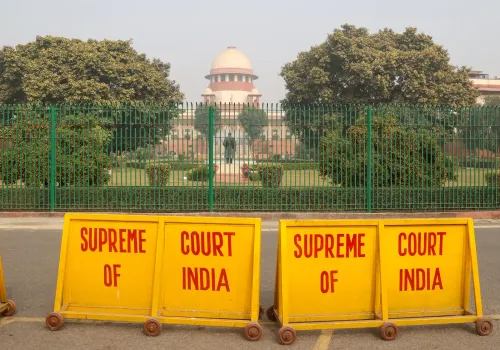
From a legal standpoint, the power to cancel an entire examination is significant and is carefully balanced by the judiciary. Courts typically apply a proportionality test — asking whether a breach is so systemic that the entire process has lost credibility. The Supreme Court has consistently held that while an examination body may cancel a test if the process is vitiated, it must also weigh the impact on untainted candidates.
The key legal threshold is whether the beneficiaries of a leak can be identified and separated from the honest majority. When such separation is impossible — as the NTA concluded in the 2026 case — a full re-test becomes the only legal and ethical remedy to restore a level playing field. This contrasts with the 2024 ruling, where the Court declined a full re-test citing insufficient evidence of a nationwide collapse.
What Students and Parents Should Do Now
Students are advised to rely exclusively on official NTA notices, preserve all registration and fee payment records, and use lawful remedies such as the Right to Information (RTI) Act rather than resorting to panic or unverified sources. The emotional and academic toll on aspirants — many of whom have spent years preparing — has been significant, with a fresh round of preparation now required.
Experts and civil society groups are calling for urgent systemic reforms, including tamper-proof examination systems, stronger audit mechanisms, improved grievance redressal, and strict enforcement under the Public Examinations (Prevention of Unfair Means) Act, 2024. Whether the 2026 cancellation becomes a turning point for India's examination infrastructure, or merely the latest in a long line of crises, will depend on whether these reforms are implemented with the seriousness the scale of the problem demands.
Point of View
Allowing the underlying infrastructure vulnerabilities to persist. What is different this time is the sophistication of the breach: encrypted platforms, digital payments, and inside cooperation have industrialised exam fraud in ways that a paper-based national test cannot easily counter. The Public Examinations Act of 2024 exists on paper, but enforcement has not visibly deterred organised syndicates. The real accountability question is not just who leaked the paper — it is why the NTA's custody chain allowed it to happen again, and whether the CBI probe will reach the institutional failures rather than stopping at the street-level operatives.
NationPress
25 Sept 2026
Frequently Asked Questions
Why was NEET UG 2026 cancelled?
NEET UG 2026 was cancelled after investigations found that a guess paper containing 410 questions — 120 of which matched the actual exam — had been distributed on WhatsApp and Telegram and sold to students for up to ₹5 lakh. The NTA determined that the beneficiaries of the leak could not be separated from honest candidates, making a full cancellation the only viable remedy.
What happens to students after the NEET UG 2026 cancellation?
The NTA has promised a re-examination with no additional fees or new registration requirements. Students are advised to preserve all their original registration and fee payment records and monitor official NTA communications for re-exam dates and instructions.
Who is investigating the NEET UG 2026 paper leak?
The Central Bureau of Investigation (CBI) has taken over the probe from the Rajasthan Special Operations Group (SOG), which conducted the initial investigation. The CBI is tasked with dismantling the organised syndicates believed to be behind the breach.
What is the legal basis for cancelling an entire national examination?
Courts apply a proportionality test — cancellation is justified when a breach is so systemic that honest candidates cannot be separated from those who benefited from the leak. The Supreme Court has upheld full cancellations in such cases, as seen with the All India Pre-Medical Test in 2015, and declined them when the breach was not proven to be nationwide, as in 2024.
What reforms are being demanded after the NEET UG 2026 crisis?
Experts and civil society groups are calling for tamper-proof examination systems, stronger audit and custody-chain mechanisms, improved grievance redressal, and strict enforcement of the Public Examinations (Prevention of Unfair Means) Act, 2024, which was enacted specifically to address organised exam fraud.