Nepal FM Wagle visits India to seek post-flood reconstruction aid
Synopsis
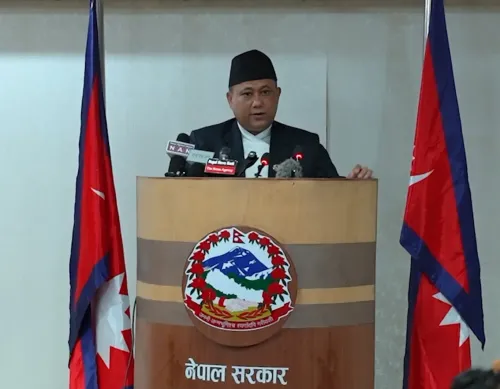
Nepal's Finance Minister Swarnim Wagle is flying to New Delhi with a relief bill that could exceed NPR 723 billion — asking India, the same country that pledged $1 billion after the 2015 earthquake, to once again be the anchor donor after floods that killed nearly 1,400 people and left over 5,000 unaccounted for. The visit blends disaster diplomacy with investment outreach, signalling Kathmandu's intent to deepen ties with its southern neighbour on multiple fronts simultaneously.
Key Takeaways
Nepal Finance Minister Swarnim Wagle visits India from Thursday to Saturday (18-20 September 2026) at the invitation of Finance Minister Nirmala Sitharaman .
The 26 August 2026 floods killed 1,399 people and left 5,179 unaccounted for, according to the NDRRMA .
Physical damage is estimated at NPR 274.48 billion ; overall losses and damages at NPR 408.28 billion .
Full reconstruction is projected to require more than NPR 723 billion , according to the joint RDNA report.
India pledged $1 billion after Nepal's 2015 earthquake, making it the largest donor — a precedent Nepal is now invoking.
Wagle will also meet S.
Jaishankar , likely call on Piyush Goyal , and address the CII and Delhi School of Economics .
Nepal's Finance Minister Swarnim Wagle is set to visit India from Thursday to Saturday for high-level talks, with Kathmandu seeking substantial New Delhi support for post-disaster reconstruction after the devastating floods of 26 August 2026 that killed 1,399 people and left 5,179 others — including foreigners — unaccounted for as of late Tuesday evening.
Why Wagle Is Visiting India
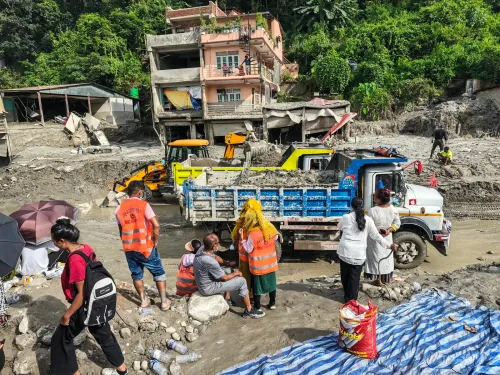
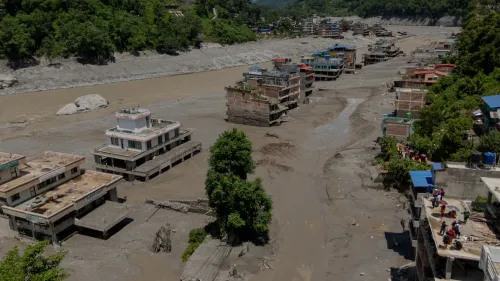
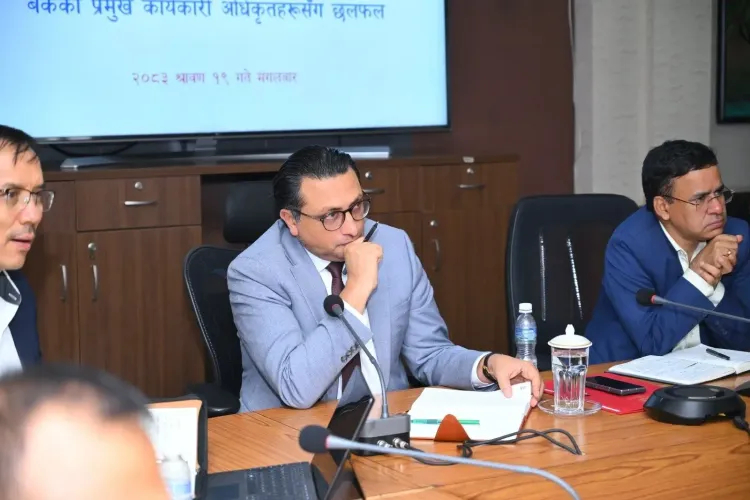
Nepal's Finance Secretary Ghanashyam Upadhyay confirmed that Minister Wagle is making the three-day trip at the personal invitation of his Indian counterpart, Finance Minister Nirmala Sitharaman. A note made available by Nepal's Finance Ministry states that a central agenda of the visit will be seeking Indian support for the reconstruction of infrastructure and assets damaged by the 26 August floods along the Bhotekoshi and Trishuli river corridors.
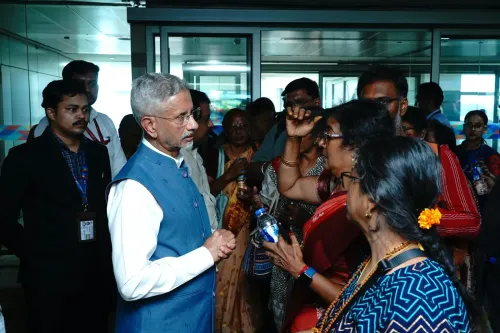
Beyond the finance ministry meeting, Wagle is also scheduled to meet External Affairs Minister S. Jaishankar and is likely to call on Commerce and Industry Minister Piyush Goyal, according to Nepal's Finance Ministry.
Scale of the Disaster and Damage Estimates
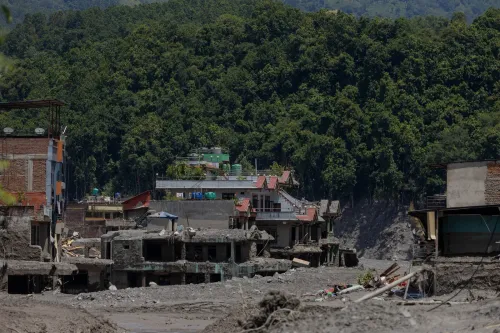
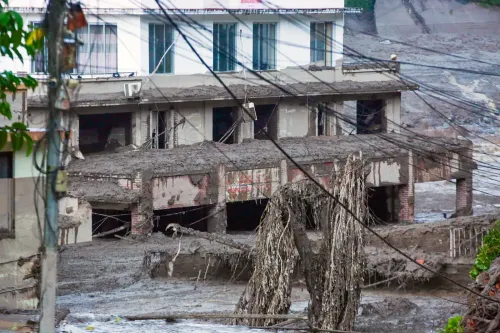
The floods that swept through Nepal's river corridors were among the deadliest in recent memory. According to the National Disaster Risk Reduction and Management Authority (NDRRMA), the death toll stands at 1,399, with thousands still untraced.
A Rapid Disaster Needs Assessment (RDNA) report — jointly prepared by the National Planning Commission and the NDRRMA — estimates physical damage at NPR 274.48 billion, with overall losses and damages reaching NPR 408.28 billion. The preliminary assessment further indicates that more than NPR 723 billion will be required for full reconstruction and recovery of affected infrastructure and assets.
India's Role: A Precedent From 2015
This is not the first time Nepal has turned to India in the aftermath of a major natural disaster. When a devastating earthquake struck the Himalayan nation in 2015, India emerged as the largest single donor, pledging $1 billion for reconstruction — though a significant portion of that assistance was reportedly redirected toward other infrastructure projects over time.
The current appeal mirrors that precedent, with Nepal hoping New Delhi will once again step in as a primary reconstruction partner. This comes amid broader efforts by Kathmandu to deepen economic ties with India at a time when Nepal's new government is actively promoting foreign investment.
Business and Policy Engagements on the Agenda
Beyond government meetings, Wagle's itinerary is packed with economic diplomacy. He is scheduled to participate in a roundtable hosted by former Indian Foreign Secretary and former Ambassador to Nepal, Shyam Saran, alongside Indian diplomatic experts and foreign affairs specialists.
Wagle will also address a programme organised by the Confederation of Indian Industry (CII), where he will present Nepal's investment promotion policies and the new government's economic priorities to Indian business leaders. Additionally, he is scheduled to speak at a development policy programme organised by the Department of Economics at the Delhi School of Economics.
What Comes Next
The outcome of Wagle's talks with Sitharaman and Jaishankar will be closely watched as a barometer of the India-Nepal relationship under Kathmandu's current government. Any firm commitment from New Delhi — whether in the form of grants, concessional loans, or technical assistance — will set the tone for bilateral engagement in the months ahead, and could influence how quickly Nepal's flood-affected communities begin to see tangible recovery support.
Point of View
And the fact that Wagle's first major bilateral visit is to India — not China — signals a deliberate tilt under the current government. Yet the 2015 precedent is cautionary: India's $1 billion earthquake pledge was partly rerouted, raising questions about the gap between commitment and delivery. With reconstruction needs estimated above NPR 723 billion, Nepal needs more than goodwill — it needs a legally binding, time-bound disbursal mechanism. Whether New Delhi offers that, or defaults to softer instruments like lines of credit, will define the real substance behind this visit.
NationPress
16 Sept 2026
Frequently Asked Questions
Why is Nepal's Finance Minister visiting India in September 2026?
Nepal Finance Minister Swarnim Wagle is visiting India from Thursday to Saturday at the invitation of Finance Minister Nirmala Sitharaman to seek reconstruction support following the devastating floods of 26 August 2026. The floods killed 1,399 people and caused damages estimated at NPR 408.28 billion.
How much damage did the Nepal floods of August 2026 cause?
According to a Rapid Disaster Needs Assessment by Nepal's National Planning Commission and NDRRMA, physical damage stands at NPR 274.48 billion, with overall losses and damages reaching NPR 408.28 billion. More than NPR 723 billion is estimated to be required for full reconstruction and recovery.
Has India provided disaster relief to Nepal before?
Yes. After Nepal's devastating 2015 earthquake, India was the largest donor, pledging $1 billion for reconstruction — though a significant portion was reportedly directed toward other infrastructure projects over time. Nepal is now invoking this precedent as it seeks similar support for the 2026 flood recovery.
Who will Nepal's Finance Minister meet during the India visit?
Swarnim Wagle is scheduled to meet Finance Minister Nirmala Sitharaman and External Affairs Minister S. Jaishankar, and is likely to call on Commerce and Industry Minister Piyush Goyal. He will also address a CII event, participate in a roundtable hosted by former Foreign Secretary Shyam Saran, and speak at the Delhi School of Economics.
What is the death toll and missing persons count from the Nepal floods?
The floods along the Bhotekoshi and Trishuli river corridors killed 1,399 people, while 5,179 individuals — including foreigners — remained out of contact as of late Tuesday evening, according to Nepal's National Disaster Risk Reduction and Management Authority.