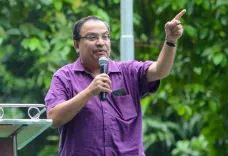
Nepal FM Wagle thanks India for Rasuwa flood relief, meets Jaishankar
Synopsis
Nepal's Finance Minister flew to New Delhi to personally thank India for its Rasuwa flood response — eight Air Force flights, 130-plus tonnes of supplies, and 54 specialist personnel including tunnel rescue teams. The meeting with Jaishankar also pivoted toward investment, energy, and connectivity, showing how a humanitarian crisis is being converted into diplomatic capital on both sides.
Key Takeaways
Nepal Finance Minister Dr.
Swarnim Wagle met External Affairs Minister Dr.
Jaishankar in New Delhi on 18 September 2026 to thank India for flood relief.
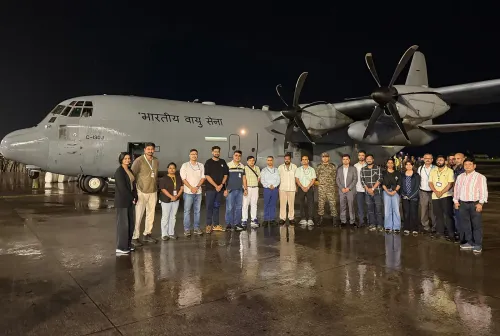
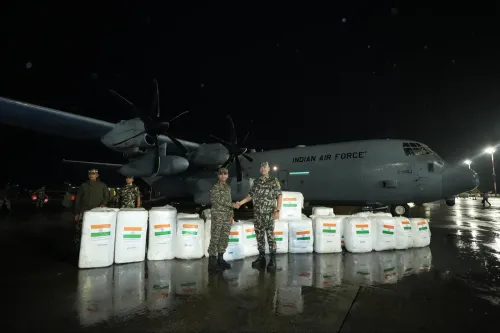
India dispatched 8 special flights to Kathmandu between 26 August and 18 September , carrying over 130 tonnes of relief material.
54 Indian expert personnel were deployed to support rescue, relief, and forensic operations in Nepal.
Specialised equipment included tunnel rescue gear, DNA profiling kits, portable generators, and dewatering pumps.
India's tunnel rescue team operated at Chilime and Langtang in coordination with the Nepali Army.
Both ministers discussed deepening cooperation in investment, energy, and connectivity .
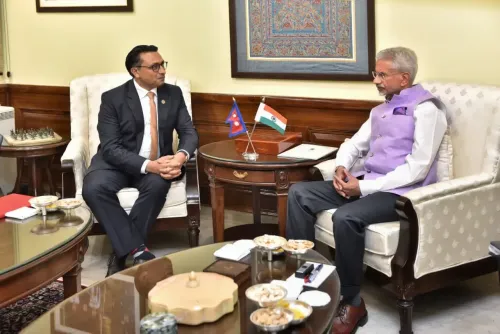
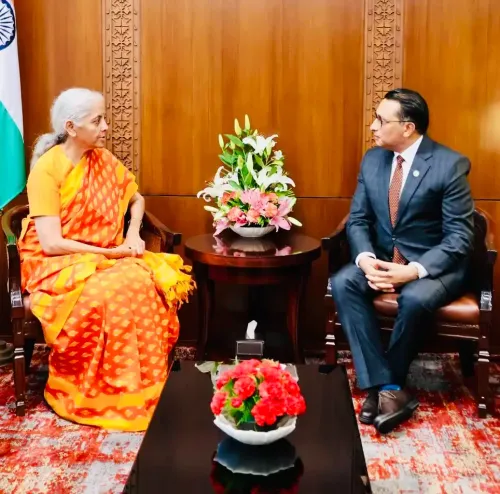
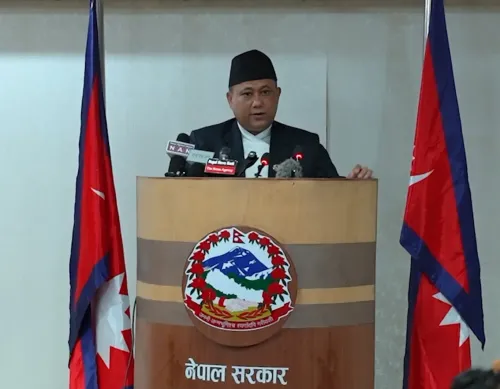
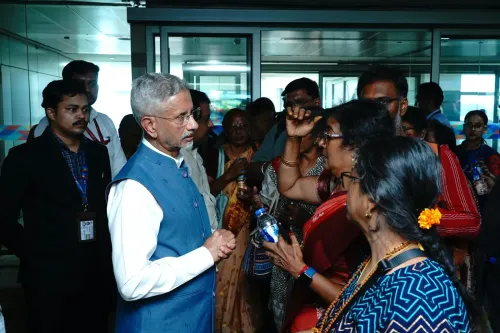
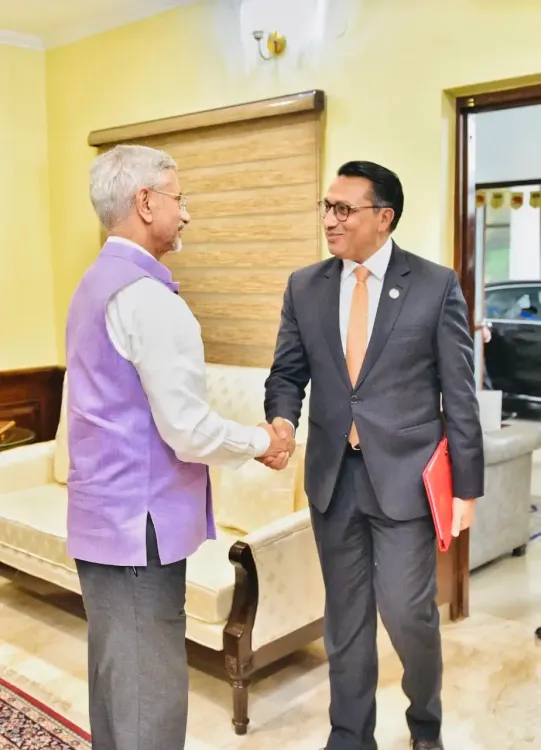
Nepal's Finance Minister Dr. Swarnim Wagle on Friday, 18 September 2026, formally thanked the Government of India for its rescue and relief support following the devastating flash floods in Rasuwa, meeting External Affairs Minister Dr. S. Jaishankar in New Delhi. The meeting, confirmed by the Embassy of Nepal in India via an official post on X, also covered ways to deepen bilateral ties across investment, energy, and connectivity.
What Was Discussed in New Delhi
During the bilateral meeting, Minister Wagle expressed gratitude for India's expedited humanitarian response, which has included eight dedicated relief flights since 26 August. According to the Embassy, 'the two Ministers discussed ways to deepen the longstanding Nepal-India friendship and strengthen bilateral cooperation, particularly in investment, energy and connectivity.'
The meeting signals that the relief effort has reinforced diplomatic goodwill between the two neighbours, with both sides using the humanitarian moment to advance a broader strategic agenda.
India's Eight-Flight Relief Operation
India dispatched eight special flights to Kathmandu between 26 August and the date of the meeting, carrying a total of more than 130 tonnes of relief material. Ambassador of India to Nepal, Naveen Srivastava, confirmed on X that the eighth Indian Air Force flight delivered materials including tunnel rescue equipment and forensic supplies, which were handed over to Nepal's Minister for Science, Technology and Innovation, Mahabir Pun.
The Ministry of External Affairs (MEA) stated that, in addition to standard relief items — temporary shelters, blankets, hygiene kits, solar lamps, and medicines — India also provided specialised equipment: tunnel and mud rescue gear such as mud rescue suits, gas detectors, breathing apparatus and inflatable walkways; DNA kits, reagents and profiling equipment; and portable generators, lighting towers, and dewatering pumps.
Expert Teams on the Ground
India also deployed 54 expert personnel to support Nepal's ongoing rescue, relief, and forensic operations. A specialised Indian tunnel rescue team began coordinated operations with the Nepali Army at two sites — Chilime and Langtang — both severely affected by the Rasuwa floods.
The scale and speed of India's response — eight flights, 130-plus tonnes of supplies, and expert boots on the ground within days — underscores New Delhi's 'Neighbourhood First' policy in action, particularly with a neighbour that shares a sensitive Himalayan border.
Context: The Rasuwa Flash Floods
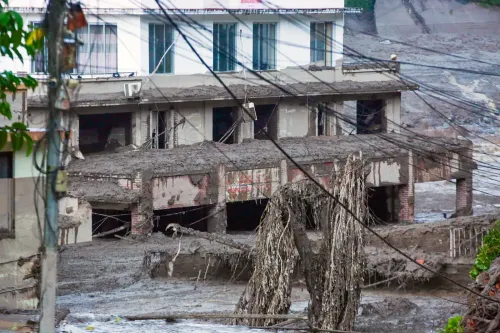
The flash floods struck the Rasuwa district of northern Nepal, a mountainous region bordering Tibet that is particularly vulnerable to glacial lake outburst floods and seasonal monsoon surges. The disaster triggered a large-scale rescue operation involving tunnel recovery — an indication that infrastructure such as roads or tunnels was buried or blocked. India's tunnel-specific rescue equipment and forensic DNA kits suggest the operation included recovery of victims trapped under debris.
What Comes Next
With the relief phase still ongoing, diplomatic momentum from the Wagle-Jaishankar meeting is expected to translate into longer-term bilateral discussions on connectivity and energy infrastructure — areas where Nepal and India have long-pending projects. How quickly relief transitions into reconstruction, and whether India's involvement extends into that phase, will be a key indicator of the depth of the partnership going forward.
Point of View
130-tonne response to the Rasuwa floods is one of its most operationally detailed humanitarian deployments in the neighbourhood — tunnel rescue teams, DNA forensics kits, and expert personnel are not standard aid packages. That level of specificity matters: it signals capability, not just goodwill, and that distinction carries diplomatic weight in Kathmandu. The pivot within the same meeting to investment, energy, and connectivity is equally telling — New Delhi is evidently keen to convert relief into relationship capital at a time when China's infrastructure footprint in Nepal continues to expand. The real measure of this moment is whether the diplomatic warmth survives the reconstruction phase, when the harder conversations about project timelines, tariffs, and cross-border power agreements begin.
NationPress
18 Sept 2026
Frequently Asked Questions
Why did Nepal's Finance Minister meet India's External Affairs Minister in New Delhi?
Nepal's Finance Minister Dr. Swarnim Wagle met External Affairs Minister Dr. S. Jaishankar on 18 September 2026 to formally thank the Government of India for its rescue and relief support following the flash floods in Rasuwa. The two ministers also discussed strengthening bilateral cooperation in investment, energy, and connectivity.
How much relief has India sent to Nepal after the Rasuwa flash floods?
India has sent more than 130 tonnes of relief material to Nepal across eight special flights since 26 August. The aid includes standard supplies such as blankets, medicines, and shelters, as well as specialised tunnel rescue equipment, DNA forensic kits, portable generators, and dewatering pumps.
What specialised support did India provide for the Nepal flood rescue?
India deployed 54 expert personnel and provided specialised tunnel and mud rescue equipment, including mud rescue suits, gas detectors, breathing apparatus, and inflatable walkways. DNA profiling kits and reagents were also sent to assist in forensic identification of victims.
Where did India's rescue teams operate in Nepal?
India's specialised tunnel rescue team coordinated operations with the Nepali Army at two sites — Chilime and Langtang — both located in the Rasuwa district of northern Nepal.
What is the broader significance of the Wagle-Jaishankar meeting?
Beyond the immediate relief effort, the meeting signals India's intent to convert its humanitarian response into deeper bilateral engagement. Both ministers discussed investment, energy cooperation, and connectivity — long-pending pillars of the Nepal-India relationship — suggesting the crisis has created a diplomatic opening for both sides.