India dispatches 9th IAF flight with 11 tonnes of relief to flood-hit Nepal
Synopsis
Nine IAF flights in under a month — India's flood relief response to Nepal is one of its most sustained post-disaster airlifts in the region. With over 1,300 dead and thousands missing from the 26 August flash floods, and a Nepal finance minister visit to New Delhi signalling both gratitude and a push for deeper ties, this story is as much about Himalayan geopolitics as humanitarian urgency.
Key Takeaways
India dispatched its 9th IAF relief flight to Nepal on 19 September 2026 , carrying 11 tonnes of supplies.
The consignment included medicines , forensic supplies , tents , hygiene kits , and sleeping bags .
Nepal's flash floods of 26 August have killed over 1,300 people , with thousands still missing.
Nepal Finance Minister Dr.
Swarnim Wagle met EAM S.
Jaishankar in New Delhi on Friday to thank India and discuss deeper bilateral cooperation.
The 8th flight carried tunnel rescue materials handed over to Nepal's Minister Mahabir Pun ; India has expedited all nine flights since the disaster struck.
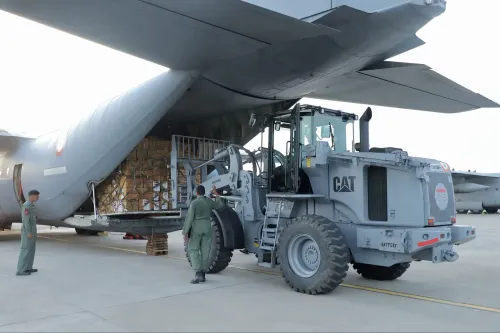
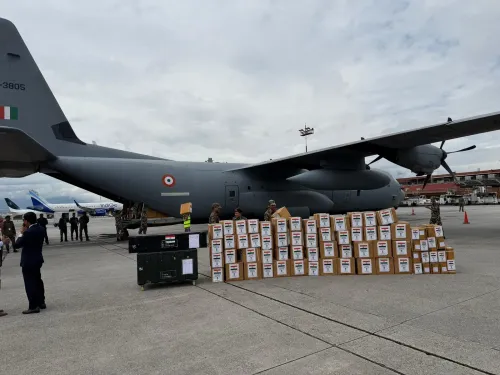
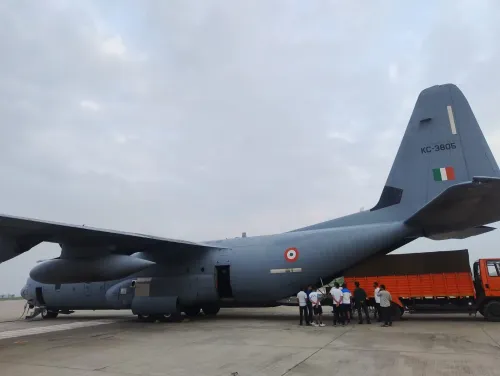
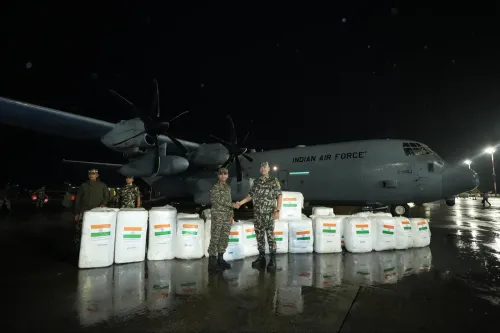
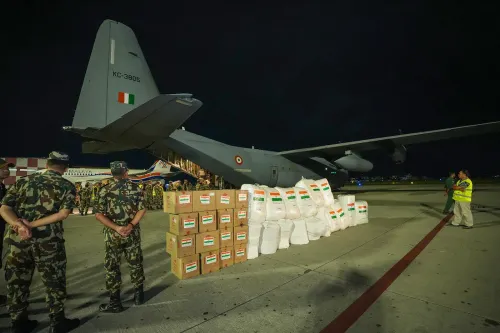
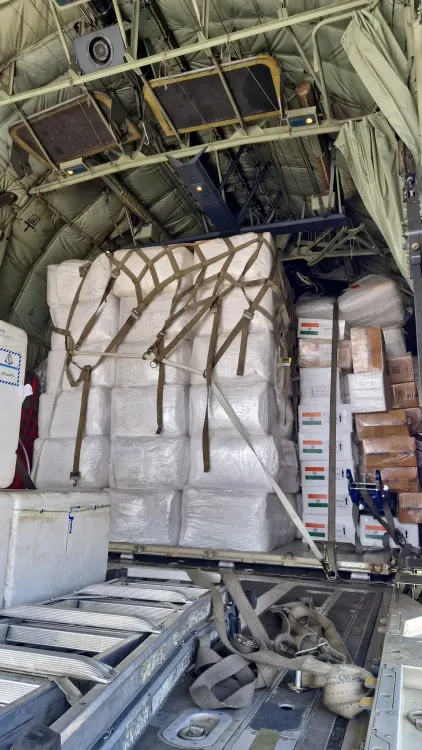
India on Saturday, 19 September 2026, dispatched another 11 tonnes of relief supplies to Nepal aboard its 9th Indian Air Force (IAF) humanitarian flight since the devastating flash floods of 26 August, which have killed over 1,300 people and left thousands missing across the Himalayan nation.
What the Relief Consignment Contains
The latest shipment includes medicines, forensic supplies, tents, hygiene kits, sleeping bags, and other essential materials. External Affairs Minister S. Jaishankar confirmed the dispatch, posting on X: 'Dispatched another 11 tonnes of relief material to Nepal, including medicines, forensic supplies, tents, hygiene kits, sleeping bags and other essential supplies. India continues to support Nepal's recovery. Neighbourhood First.'
High-Level Diplomatic Engagement
On Friday, Nepal's Finance Minister Dr. Swarnim Wagle met EAM Jaishankar in New Delhi to formally thank the Government of India for its support in rescue and relief operations following the flash floods in Rasuwa. According to the Embassy of Nepal in India, the two ministers also discussed ways to deepen bilateral ties, with a particular focus on investment, energy, and connectivity.
Scale and Pace of India's Response
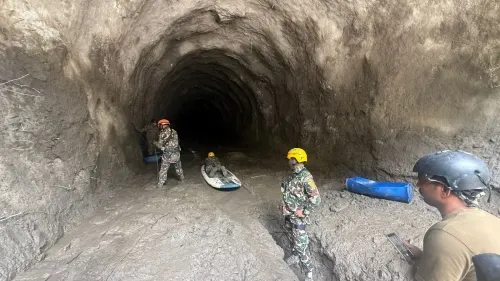
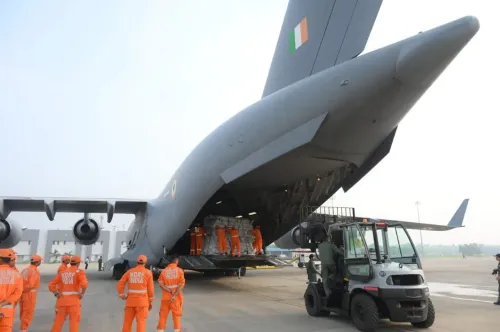
The Ministry of External Affairs (MEA) confirmed that this was the 9th IAF flight carrying relief material since the floods struck on 26 August. The previous, 8th flight carried materials for tunnel rescue and forensic supplies, which were handed over to Nepal's Minister for Science, Technology and Innovation, Mahabir Pun. India's Ambassador to Nepal, Naveen Srivastava, confirmed the handover on X. The rapid pace — nine flights in under a month — underscores the urgency India has attached to its 'Neighbourhood First' foreign policy commitment.
Context: The August 26 Flash Floods
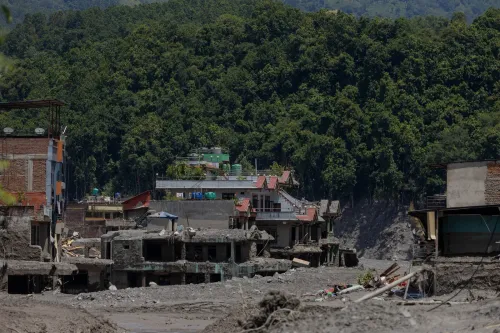
Nepal's flash floods of 26 August rank among the deadliest natural disasters to hit the country in recent years. The floods caused widespread destruction across multiple districts, with over 1,300 confirmed dead and thousands still unaccounted for. The Rasuwa district was among the worst affected, requiring specialised tunnel-rescue capabilities — equipment that India included in an earlier relief consignment. This is the second consecutive year that India has mounted a large-scale aerial relief operation to Nepal following extreme weather events, reflecting both the frequency of climate-linked disasters in the Himalayan region and the depth of bilateral ties.
What Comes Next
With Nepal still in the midst of active recovery operations, further relief flights from India have not been ruled out, according to official statements. The bilateral discussions between Minister Wagle and EAM Jaishankar signal that the crisis may also accelerate longer-term cooperation in infrastructure and energy — areas where both nations have longstanding but uneven engagement.
Frequently Asked Questions
How many relief flights has India sent to Nepal after the August 2026 floods?
India has sent nine IAF flights carrying relief material to Nepal since the flash floods struck on 26 August 2026 . The 9th flight, dispatched on 19 September , carried 11 tonnes of supplies including medicines, tents, and hygiene kits.
How many people have died in Nepal's August 2026 flash floods?
Over 1,300 people have died in Nepal's flash floods that began on 26 August 2026 , with thousands more still reported missing. The floods caused widespread destruction across multiple districts, including Rasuwa .
What did Nepal's Finance Minister discuss with India's External Affairs Minister?
Nepal's Finance Minister Dr. Swarnim Wagle met EAM S. Jaishankar in New Delhi on Friday to thank India for its rescue and relief support. The two ministers also discussed deepening bilateral ties in investment , energy , and connectivity .
What supplies did India send in the latest Nepal relief flight?
The 19 September consignment included medicines , forensic supplies , tents , hygiene kits , sleeping bags , and other essential items, totalling 11 tonnes . Earlier flights also carried specialised tunnel rescue materials .
What is India's 'Neighbourhood First' policy and how does it apply here?
'Neighbourhood First' is India's foreign policy framework that prioritises relations with immediate neighbours. In the context of Nepal's floods, it has translated into nine rapid-response IAF relief flights since 26 August, making this one of the most operationally intensive bilateral disaster-relief operations India has mounted in the region in recent years.