India sends two more aircraft with 21.5 tonnes of Nepal flood relief
Synopsis
India has now airlifted more than 68 tonnes of emergency relief to Nepal in a sustained multi-day operation following catastrophic flash floods triggered by a glacial collapse in Tibet. The latest dispatch — two C-130Js carrying forensic kits and medicines — signals India is preparing not just for rescue but for victim identification, as Nepal's death toll from the Bhote Koshi floods crosses 1,100.
Key Takeaways
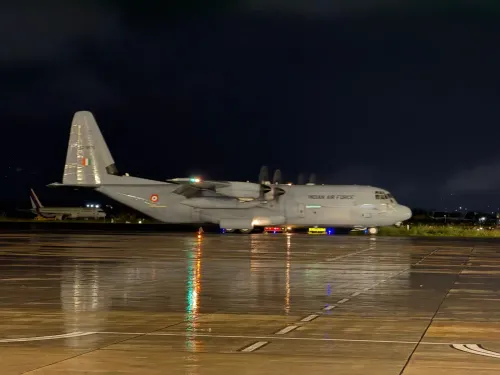
India dispatched two C-130J aircraft on 3 September with 21.5 tonnes of relief, including forensic kits and medical supplies.
Total Indian emergency relief airlifted to Nepal now exceeds 68 tonnes across multiple flights.
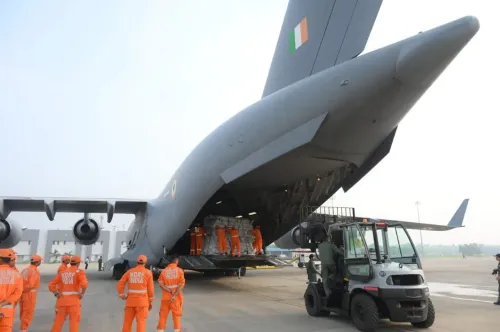
A fifth IAF aircraft on Wednesday carried an 11-member rescue team and 5.5 tonnes of medicines.
The floods were triggered by a glacial collapse in Tibet on 26 August , blocking the Lengde Khola tributary before the barrier breached.
The death toll in the Bhote Koshi river flood zone has crossed 1,100 , according to reports.
Nepal PM Balendra Shah called for stronger global attention to Himalayan climate risks while addressing parliament.
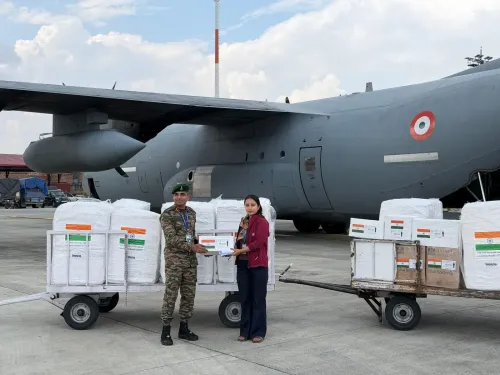
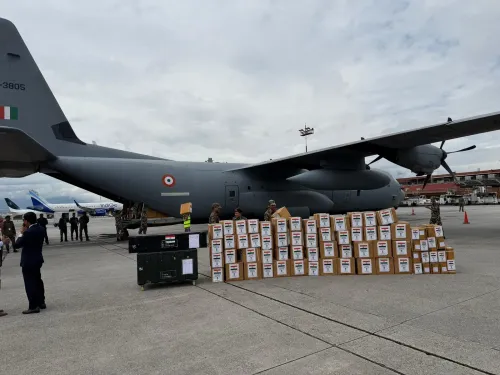
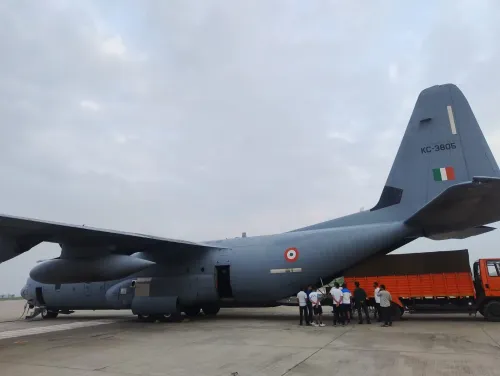
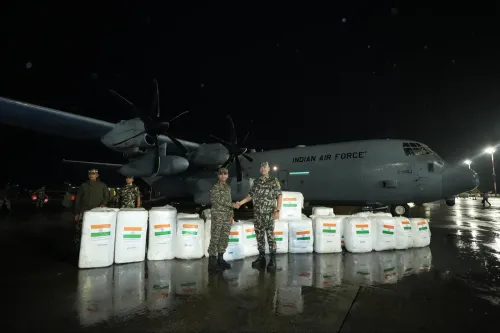
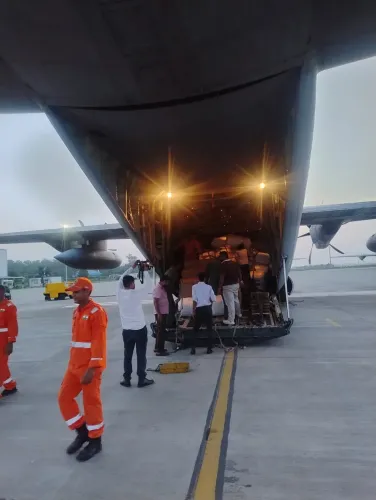
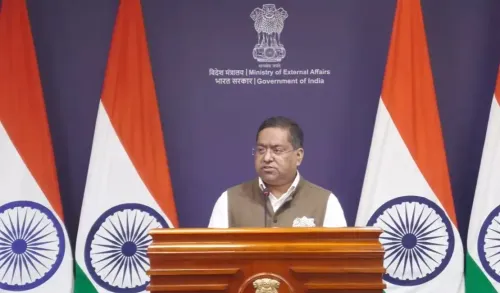
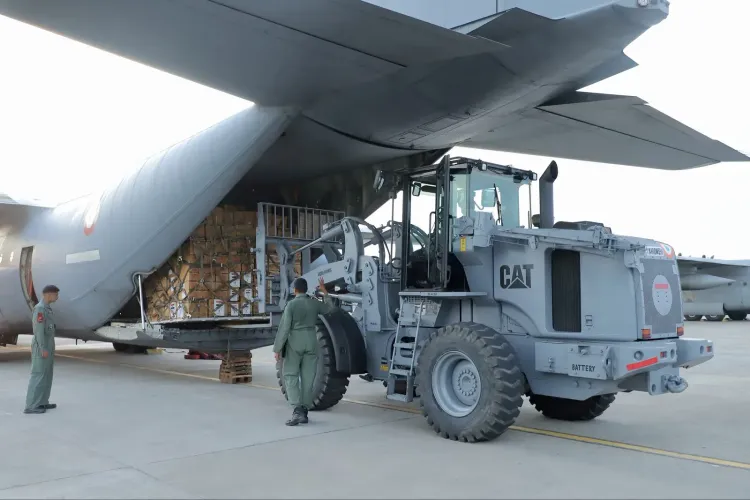
India on Thursday, 3 September dispatched two additional C-130J military transport aircraft carrying 21.5 tonnes of humanitarian supplies to Nepal, as the Himalayan nation continues to reel from catastrophic flash floods triggered by a glacial collapse in Tibet on 26 August. The Ministry of External Affairs (MEA) confirmed the latest shipment, which includes forensic kits and medical supplies, taking India's total emergency relief to Nepal to more than 68 tonnes.
Latest Dispatch and What It Carries
The two C-130J aircraft form part of a sustained Indian airlift operation that has now extended across multiple days. According to the MEA, the fresh tranche of relief material was formally handed over to the local government by Indian Ambassador Naveen Srivastava. The consignment is designed to reinforce ongoing rescue efforts and support communities cut off or displaced by the floods.
On Wednesday, a fifth Indian Air Force (IAF) aircraft had already landed in Nepal, carrying an 11-member specialised rescue team along with 5.5 tonnes of essential medicines. External Affairs Minister S. Jaishankar confirmed that departure on social media platform X, noting the team's specialised equipment.
Full Scale of India's Relief Operation
Across all deliveries so far, India has airlifted more than 68 tonnes of emergency relief to Nepal. Supplies include blankets, sleeping bags, heavy-duty tarpaulins, plastic sheeting, hygiene kits, food packets, solar lamps, water purification tablets, portable generators, and essential medicines. The breadth of the consignment reflects both the scale of the disaster and India's positioning as Nepal's primary first-responder neighbour.
Notably, this is not a single symbolic gesture — India has now sent at least seven aircraft in a rolling airlift, with each tranche calibrated to the evolving needs on the ground. This pattern mirrors India's response to the 2015 Nepal earthquake, when it was the first country to deploy rescue teams under Operation Maitri.
The Disaster: What Happened
According to experts, an avalanche blocked the Lengde Khola, a tributary of the Bhote Koshi river near the Nepal-China border. The accumulated water subsequently breached the natural barrier, unleashing a massive downstream flood that swept through the Trishuli river valley, devastating settlements and infrastructure along its path.
The death toll from the floods in the Bhote Koshi river basin has crossed 1,100, according to reports. Nepal Prime Minister Balendra Shah, addressing the House of Representatives on Wednesday, called for stronger international attention to climate-related risks in the Himalayan region. 'Nepal must highlight more forcefully the disasters it is facing due to climate change,' Shah said.
What Comes Next
With rescue operations still active and the death toll likely to rise as remote areas are reached, India's relief pipeline is expected to continue. The deployment of forensic kits in the latest tranche suggests authorities are also preparing for the grim task of victim identification in the worst-affected zones. Nepal's appeal for greater global climate accountability signals that the political and diplomatic dimensions of this disaster will extend well beyond the immediate humanitarian response.
Point of View
But the inclusion of forensic kits in the latest tranche is the detail mainstream coverage is underplaying — it signals that the disaster is moving from rescue to recovery, and that the true death toll may be considerably higher than what has been confirmed. Nepal PM Shah's climate remarks to parliament are also worth watching: framing a glacial outburst flood as a climate accountability issue positions Nepal to seek longer-term international commitments, not just emergency aid. India's first-responder posture reinforces its 'Neighbourhood First' doctrine, but the real diplomatic test will come in how both countries coordinate on upstream glacial monitoring with China, given that the trigger event occurred in Tibet.
NationPress
19 Oct 2026
Frequently Asked Questions
How much relief has India sent to Nepal following the floods?
India has dispatched more than 68 tonnes of emergency relief to Nepal across multiple flights since the flash floods struck. Supplies include medicines, blankets, food packets, water purification tablets, portable generators, and forensic kits.
What caused the Nepal floods in August 2024?
According to experts, an avalanche blocked the Lengde Khola, a tributary of the Bhote Koshi river near the Nepal-China border, following a glacial collapse in Tibet on 26 August. The accumulated water breached the natural barrier and triggered a massive downstream flood that devastated settlements along the Trishuli river valley.
What did External Affairs Minister Jaishankar say about the relief operation?
Jaishankar confirmed on social media platform X that the fifth Indian aircraft had departed for Nepal carrying an 11-member rescue team with specialised equipment and 5.5 tonnes of essential medicines. The post was made on Wednesday.
How many people have died in the Nepal floods?
The death toll from the floods in the Bhote Koshi river basin has crossed 1,100, according to reports. Nepal PM Balendra Shah addressed parliament on the scale of the disaster and called for greater international attention to climate-related risks in the Himalayan region.
Who handed over the Indian relief supplies to Nepal?
The latest tranche of relief material was formally handed over to the local Nepali government by Indian Ambassador Naveen Srivastava, according to the Ministry of External Affairs.