India sends doctors, 10-tonne aid on third flight to flood-hit Nepal
Synopsis
India has now sent three special flights to flood-hit Nepal in rapid succession, with the latest carrying an 11-member medical and tunnel-rescue team alongside 10 tonnes of supplies. With 84 Indian nationals already rescued — including 63 hydropower workers — and Bailey bridges being mobilised, New Delhi's response has moved well beyond symbolic solidarity into operational disaster management.
Key Takeaways
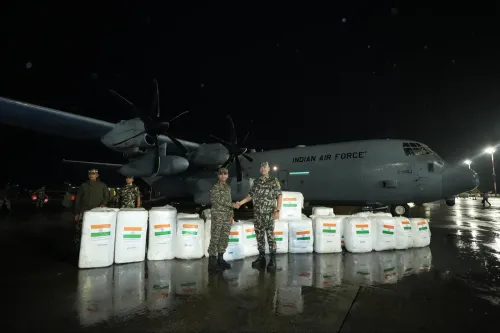
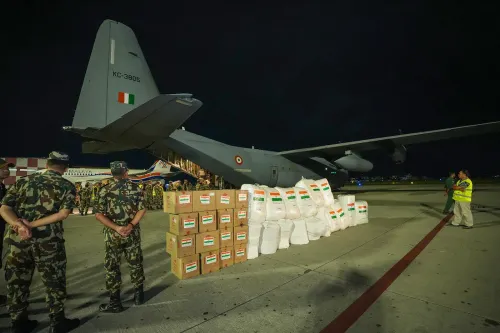
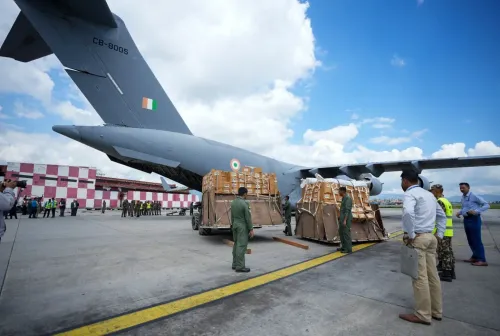
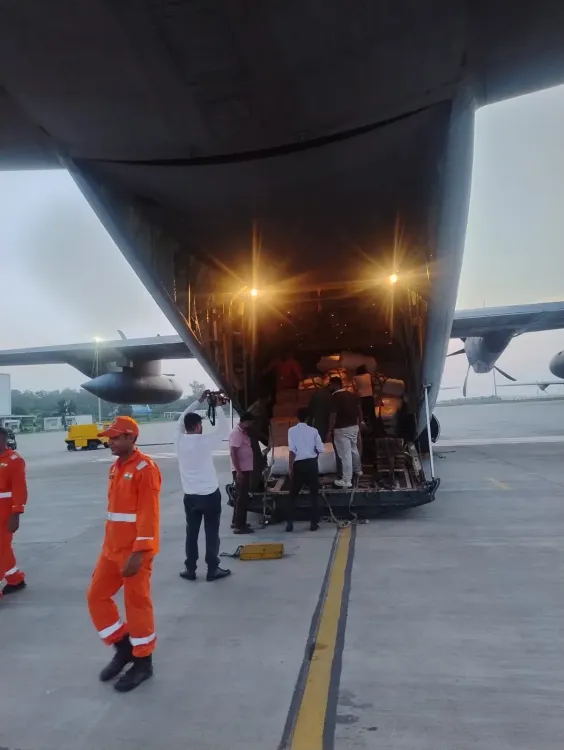
India's third special flight to Kathmandu departed on 28 August with over 10 tonnes of humanitarian aid.
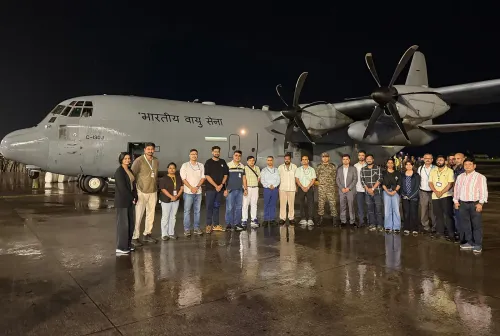
An 11-member team of doctors, paramedics, and tunnel-rescue specialists is on board.
21 Tamil Nadu pilgrims from the Kailash Mansarovar Yatra were received at Delhi airport after being rescued from the floods.
84 Indian nationals have been rescued so far, including 63 workers from the Trishuli-1 hydropower project .
96 Indian nationals stranded on the Chinese side have safely crossed into Nepal by land.
India is also deploying Bailey bridges and has set up a round-the-clock MEA control room in New Delhi.
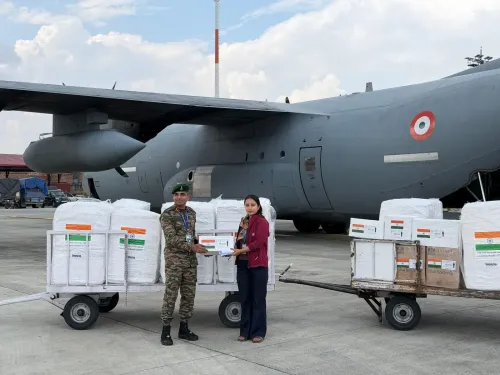
India dispatched a third special flight carrying more than 10 tonnes of humanitarian assistance — along with an 11-member medical and rescue team — to Kathmandu on Friday, 28 August, as New Delhi intensified its relief push following the devastating flash floods that struck Nepal on Wednesday. The Ministry of External Affairs (MEA) confirmed the dispatch, marking a significant escalation in India's bilateral disaster response.
What the Third Flight Carried
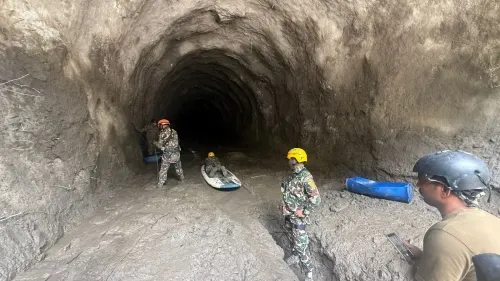
The consignment included portable generator sets, dignity kits, food packets, and water purification tablets. The 11-member team on board comprised doctors, paramedics, and a reconnaissance unit specialising in tunnel rescue operations. External Affairs Minister S. Jaishankar confirmed the departure in a post on X, stating: 'India continues to support Nepal's ongoing relief and rescue efforts.'
Indian Nationals Rescued from Floods
Earlier on Friday, EAM Jaishankar personally received 21 pilgrims from Tamil Nadu at the Delhi airport after they were evacuated from flood-affected areas in Nepal. The group had travelled to Nepal as part of the Kailash Mansarovar Yatra through various travel agents. Jaishankar said he was 'deeply moved' upon hearing their accounts firsthand, and extended gratitude to the Nepali Army and the Nepali government for conducting the rescue. He also commended the Indian Embassy in Nepal for coordinating the group's return.
Separately, MEA spokesperson Randhir Jaiswal, addressing a bi-weekly press briefing in New Delhi, confirmed that 84 Indian nationals had been rescued so far — including 63 workers employed at the Trishuli-1 hydropower project. An additional 96 Indian nationals who were stranded on the Chinese side of the border have since safely crossed into Nepal by land.
India's Broader Relief Mobilisation
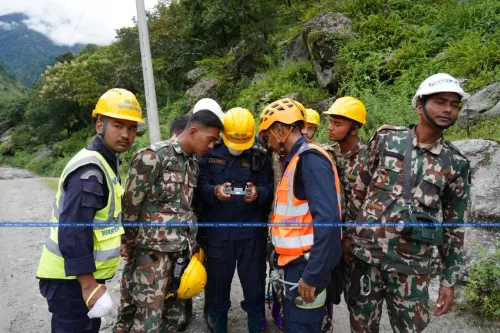
Beyond the three special flights, India is also mobilising Bailey bridges to support rescue and relief operations in areas where road infrastructure has been damaged. The MEA has activated a round-the-clock control room in New Delhi to coordinate the response. Officials are in active contact with state governments from which Kailash Mansarovar pilgrims had departed, to track and assist any remaining stranded nationals.
Scale of the Crisis
Wednesday's flash floods caused widespread destruction across Nepal, disrupting transport links, displacing communities, and cutting off several areas from relief access. The disaster struck during an active pilgrimage and tourism season, leaving a significant number of foreign nationals — including Indian citizens — stranded across flood-affected zones. This is the third major flood emergency in Nepal in recent years to trigger a large-scale Indian humanitarian response, underscoring the depth of the bilateral disaster-management partnership.
With rescue operations still ongoing and Bailey bridges yet to be deployed, the full scale of India's relief commitment is expected to grow in the coming days.
Point of View
Not just relief supplies. That signals New Delhi has intelligence on infrastructure collapse, not just displacement. The rescue of 63 workers from a hydropower project also surfaces a less-discussed vulnerability: thousands of Indian labourers work on large infrastructure projects in Nepal, and disaster protocols for them remain opaque. The MEA's round-the-clock control room is the right instinct, but the Kailash Mansarovar pilgrim episode raises a harder question — how many more Indian nationals are in Nepal without any registered contact point?
NationPress
13 Oct 2026
Frequently Asked Questions
What did India's third relief flight to Nepal carry?
The third flight, which departed New Delhi on 28 August, carried over 10 tonnes of humanitarian assistance including portable generator sets, dignity kits, food packets, and water purification tablets. It also had an 11-member team of doctors, paramedics, and tunnel-rescue specialists on board.
How many Indian nationals have been rescued from the Nepal floods?
As of 28 August, 84 Indian nationals have been rescued, including 63 workers employed at the Trishuli-1 hydropower project. An additional 96 Indians stranded on the Chinese side of the border have safely crossed into Nepal by land.
Who were the 21 pilgrims received by EAM Jaishankar at Delhi airport?
They were 21 tourists from Tamil Nadu who had travelled to Nepal for the Kailash Mansarovar Yatra through various travel agents and were rescued from flood-affected areas. External Affairs Minister S. Jaishankar personally received them at Delhi airport on 28 August.
What additional support is India sending to Nepal beyond the flights?
India is mobilising Bailey bridges to assist in rescue and relief operations in areas with damaged road infrastructure. The MEA has also set up a round-the-clock control room in New Delhi and is coordinating with state governments to track stranded Indian nationals.
What caused the Nepal floods and when did they occur?
Devastating flash floods struck Nepal on Wednesday, 28 August, causing widespread destruction, displacing communities, and cutting off several areas. The disaster occurred during an active pilgrimage and tourism season, leaving many foreign nationals, including Indian citizens, stranded.