India's third flood relief flight lands in Nepal with rescue team
Synopsis
Three flights in three days — India has moved faster than most bilateral partners in responding to Nepal's devastating floods, delivering over 57.5 tonnes of relief and now deploying an 11-member medical and tunnel rescue team on the ground. The speed and scale signal that New Delhi is treating this as both a humanitarian imperative and a strategic priority.
Key Takeaways
India's third relief flight landed in Kathmandu on 28 August , carrying 10 tonnes of humanitarian aid.
An 11-member medical and tunnel rescue team is now deployed on the ground in Nepal.
India has delivered over 57.5 tonnes of HADR material, medicines, and food to Nepal within 72 hours .
EAM S Jaishankar chaired a review meeting with Foreign Secretary Vikram Misri and ambassadors in Kathmandu and Beijing on the flood situation.
Efforts are underway to confirm the safety of Indian nationals in flood-affected areas of Nepal.
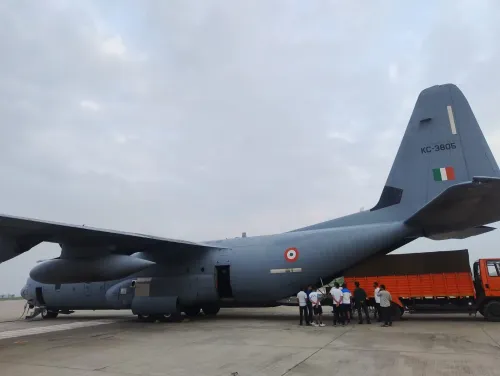
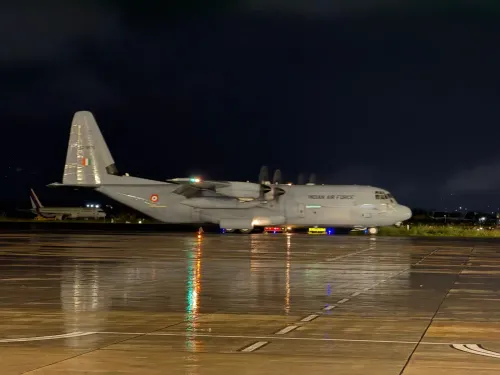
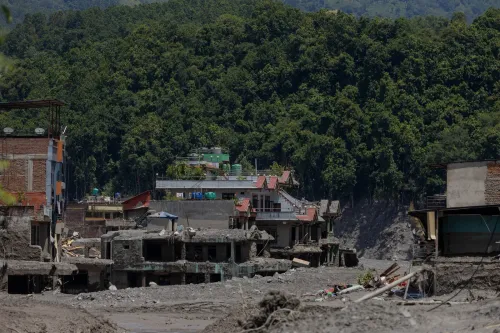
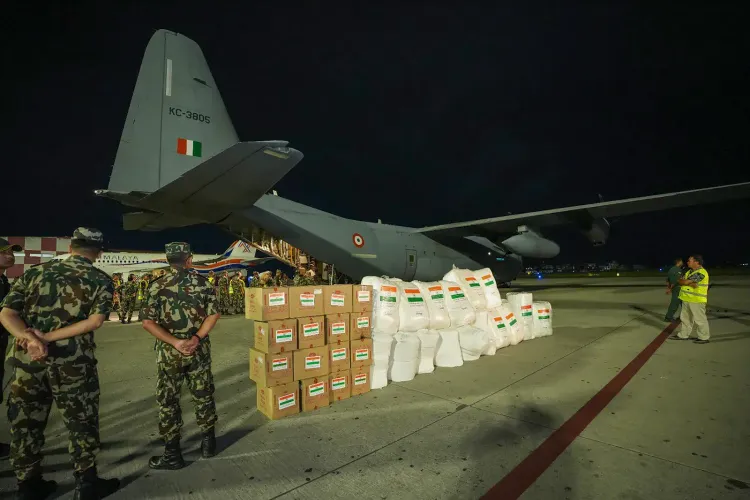
External Affairs Minister S Jaishankar on Friday, 28 August confirmed that India's third relief flight has landed in Kathmandu, carrying 10 tonnes of humanitarian assistance and an 11-member medical and tunnel rescue team to support Nepal's flood relief operations. The flight marks the latest in a rapid series of Indian deployments following devastating floods across the Himalayan nation.
What the Third Flight Carried
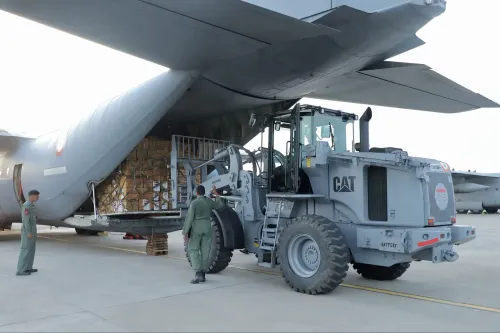
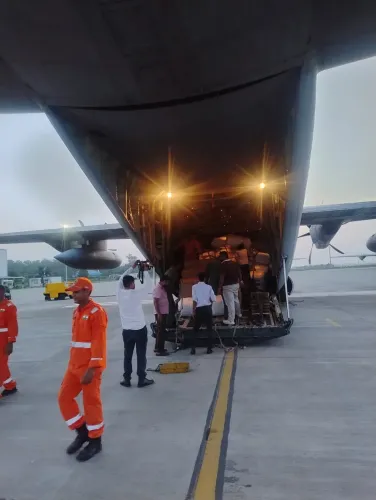
The latest consignment included portable generator sets, dignity kits, food packets, and water purification tablets. The accompanying 11-member team comprises medical and tunnel rescue specialists, indicating that India's assistance has moved beyond material supplies to active on-ground support.
India's Cumulative Relief Effort
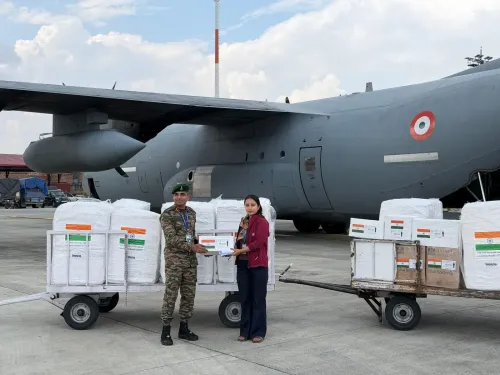
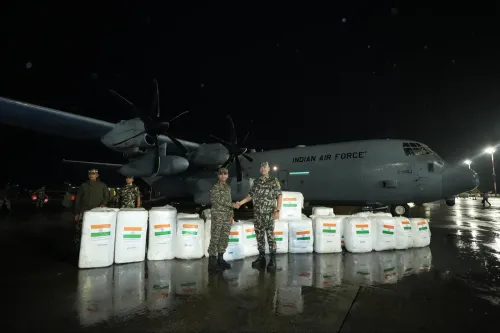
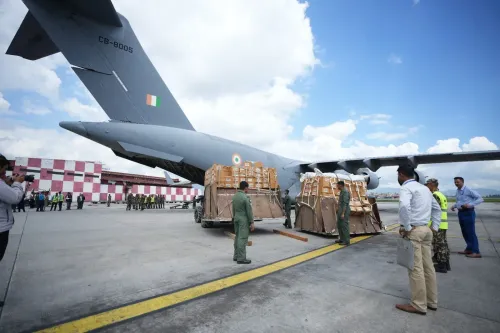
This is the third consecutive day of Indian relief flights to Nepal. On Wednesday, India dispatched 10 tonnes of Humanitarian Assistance and Disaster Relief (HADR) material and essential medicines, handed over by India's Ambassador to Nepal Naveen Srivastava to Nepal's Minister of Culture, Tourism and Civil Aviation Khadak Raj Paudel. On Thursday, a second consignment of 37.5 tonnes of HADR material, medicines, and food packets was handed over to Nepal's Minister for Science, Technology and Innovation Mahabir Pun. In total, India has delivered over 57.5 tonnes of relief material to Nepal within 72 hours.
High-Level Review in New Delhi
On Thursday, EAM Jaishankar chaired a review meeting with Foreign Secretary Vikram Misri, senior Ministry of External Affairs (MEA) officials, and India's Ambassadors in Kathmandu and Beijing to assess the flood situation. The meeting also focused on efforts to establish the safety and well-being of Indian nationals in flood-affected areas of Nepal. 'Urgent efforts are underway to ascertain the status and well-being of all Indians in the flood-affected areas,' Jaishankar said.
India's Broader Commitment to Nepal
MEA spokesperson Randhir Jaiswal described the second consignment as 'a helping hand from India,' underscoring New Delhi's stated policy of prioritising its immediate neighbourhood in disaster response. This is consistent with India's 'Neighbourhood First' doctrine, under which it has historically been among the first responders to crises in Sri Lanka, Bangladesh, and Bhutan. The scale and speed of the current response — three flights in as many days — signals the strategic weight India assigns to its relationship with Nepal.
What Comes Next
With an active rescue team now on the ground, India's role is expected to shift from supply delivery to coordinated relief operations alongside Nepali authorities. The MEA has not yet indicated whether additional flights are planned, but the deployment of a tunnel rescue unit suggests that search operations in flood-hit areas may still be ongoing.
Point of View
And a quiet counter to China's expanding footprint in Kathmandu. The deployment of a tunnel rescue team, not just supplies, marks a qualitative escalation in India's involvement and raises the question of whether New Delhi is positioning for a longer-term role in Nepal's disaster recovery architecture. The review meeting involving the Ambassador in Beijing is a telling detail — India is watching how this moment plays out on a wider regional chessboard.
NationPress
13 Oct 2026
Frequently Asked Questions
What did India's third Nepal flood relief flight carry?
India's third relief flight, which landed in Kathmandu on 28 August, carried 10 tonnes of humanitarian assistance including portable generator sets, dignity kits, food packets, and water purification tablets, along with an 11-member medical and tunnel rescue team.
How much total aid has India sent to Nepal for flood relief?
India has delivered over 57.5 tonnes of relief material to Nepal within 72 hours across three flights. This includes HADR material, medicines, food packets, and essential supplies sent on Wednesday, Thursday, and Friday.
Who confirmed India's third relief flight to Nepal?
External Affairs Minister S Jaishankar confirmed the third flight's arrival in a post on X, stating that relief supplies and the 11-member rescue team are now on the ground in Kathmandu.
Are Indian nationals affected by the Nepal floods?
EAM Jaishankar has said that urgent efforts are underway to ascertain the status and well-being of Indian nationals in flood-affected areas of Nepal, following a review meeting with Foreign Secretary Vikram Misri and India's ambassadors in Kathmandu and Beijing.
What is India's 'Neighbourhood First' policy and how does it apply here?
India's Neighbourhood First policy prioritises diplomatic and humanitarian engagement with its immediate neighbours. The rapid deployment of three relief flights to Nepal within 72 hours is consistent with this doctrine, under which India has historically been among the first responders to disasters in Sri Lanka, Bangladesh, and Bhutan.