NHRC Addresses Life Insurance Denial for Hearing and Speech Impaired, Requests IRDAI Action
Synopsis
In a significant move, the NHRC has recognized the troubling issue of life insurance denial for individuals with hearing and speech disabilities, prompting the IRDAI to take action. This decision seeks to combat discrimination within the insurance sector and ensure equitable access to benefits.
Key Takeaways
NHRC recognizes denial of life insurance for disabled individuals.
IRDAI has been instructed to investigate and respond.
Discriminatory practices in insurance sector are under scrutiny.
Recommendations include safeguarding rights of persons with disabilities.
Focus on preventing undue hardship for beneficiaries with irreversible disabilities.
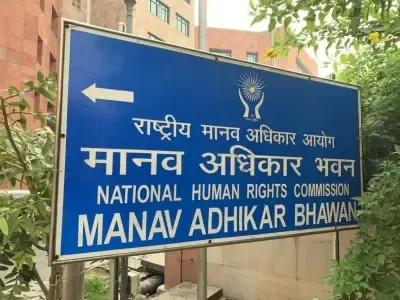
New Delhi, March 24 (NationPress) The National Human Rights Commission (NHRC) has acknowledged a complaint regarding the denial of life insurance benefits to individuals with hearing and speech impairments. The issue arises from the refusal of insurance providers to offer coverage to these individuals.
As per the complaint submitted to the Commission, people with these disabilities are finding it difficult to access life insurance policies, which raises serious concerns about discriminatory practices in the insurance industry.
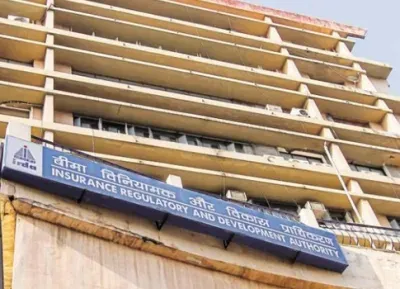
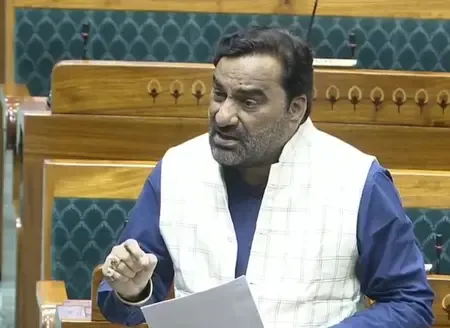
In response, a bench led by Priyank Kanoongo has issued a notice to the Insurance Regulatory and Development Authority of India (IRDAI). The notice mandates an investigation into the issue and the implementation of necessary measures.
The IRDAI has been instructed to provide a comprehensive response to the Commission within a 15-day timeframe.
A copy of the notice has also been sent to the Ministry of Finance for their awareness and subsequent action.
This recent move forms part of the Commission's extensive efforts to tackle discrimination faced by individuals with disabilities.
It follows prior discussions focused on the implications of re-verifying and re-assessing disability certificates, which could affect access to employment and benefits, and may also influence standardized underwriting practices for non-life-threatening disabilities.
Earlier this year, the NHRC organized a meeting of its Core Group on Disabilities centered on the theme 'Human rights violations arising from re-verification and re-assessment of certificates for government employees with disabilities.'
The meeting, presided over by Justice V. Ramasubramanian, underscored the potential dangers of blanket or widespread re-assessments of disability certificates, warning that such actions could erode dignity and lead to arbitrary exclusion from employment or welfare benefits.
During these discussions, several significant recommendations emerged, including a ban on mass medical re-assessments of all employees with disabilities.
The panel also advocated for the adoption of the Unique Disability ID digital framework as the primary verification method, with new medical assessments only occurring in cases backed by specific and evidence-based concerns.
Furthermore, it was proposed that the government's advisory or standard operating procedures from October 2025 should be applied for new applicants moving forward rather than retroactively.
The recommendations included essential safeguards such as documenting written reasons for scrutiny, allowing individuals a chance to respond, ensuring timely decisions, establishing appeal processes, and protecting individuals from negative actions during verification.
Additional suggestions involved implementing functional and accommodation-based assessments, providing doorstep services where necessary, training officials managing these cases, and establishing dedicated grievance redressal systems.
The Commission noted that these initiatives aim to balance administrative oversight with the provisions of the Rights of Persons with Disabilities Act, while preventing misuse and minimizing undue hardship on existing beneficiaries with irreversible disabilities.
Point of View
I observe that the NHRC's actions reflect a growing awareness and commitment to addressing the rights of persons with disabilities. The recognition of discrimination in life insurance access is a pivotal step towards ensuring equal opportunities for all individuals, regardless of their disabilities.
NationPress
23 Sept 2026
Frequently Asked Questions
What is the main issue raised by the NHRC?
The NHRC has raised concerns about the denial of life insurance benefits to individuals with hearing and speech impairments due to the refusal of insurance companies to provide coverage.
What actions has the NHRC taken?
The NHRC has issued a notice to the IRDAI, asking for an investigation and a detailed response regarding the discrimination faced by individuals with disabilities in accessing life insurance.
What are the potential implications of this issue?
The denial of life insurance coverage may reflect broader discriminatory practices, affecting individuals' access to essential benefits and potentially leading to exclusion from employment opportunities.
What recommendations have been made regarding disability assessments?
Recommendations include banning mass medical re-assessments of employees with disabilities and utilizing the Unique Disability ID framework for verification.
How does this issue relate to the Rights of Persons with Disabilities Act?
The NHRC aims to align its recommendations with the provisions of the Rights of Persons with Disabilities Act, ensuring that administrative measures do not unfairly disadvantage existing beneficiaries.