Why Did Nifty 50 Q3 Profits Decline After 13 Quarters Despite Revenue Growth?

Synopsis
What factors led to the first quarterly profit decline for Nifty 50 after 13 quarters? Discover the impact of India's new Labour Codes and the surprising revenue growth amid this dip in profits.
Key Takeaways
Nifty 50 profits dip 8.1% after 13 quarters.
Revenue growth reaches 10% , first double-digit since March 2023.
Impact of new Labour Codes on profit calculations.
Operating profit grows 7.5% year-on-year.
Transition to new labour codes began in November.
Mumbai, Feb 20 (NationPress) The earnings of Nifty 50 companies experienced a year-on-year decline in the December quarter for the first time in 13 quarters, even as top-line growth rebounded to double digits, according to industry data.
When excluding banks, financial services, and oil and gas companies, overall revenue increased by 10 percent during the quarter — marking the first double-digit rise since the March 2023 quarter. However, overall profits suffered due to a one-time accounting effect stemming from India's new Labour Codes.
Operating profits rose by 7.5 percent year-on-year, an improvement from 6.1 percent in the September quarter and 5 percent a year prior.
Despite the revenue increase, the aggregate net profit for 37 Nifty 50 firms fell by 8.1 percent compared to the previous year, indicating the first instance of negative profit growth since the September 2022 quarter, according to industry statistics.
Analysts pointed to the decline in profits as a result of the one-time accounting impact from India's new labour codes, which mandate that basic salary constitute 50 percent of the total cost-to-company, alongside increases in gratuity provisions. These Labour Code changes are estimated to have reduced overall profit after tax by about 5 percent, with the technology sector projected to experience a 13 percent drop.
Meanwhile, revenue growth sped up sequentially in Q3 FY26, rising from 16 percent to 20 percent, notably following the implementation of the goods and services tax (GST) reduction.
The transition to the new labour code began in November and introduced modifications regarding wages, workplace safety, and social security.
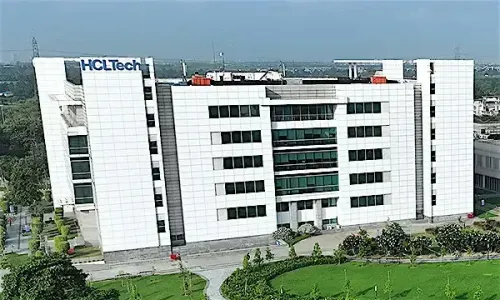
TCS, Infosys, and HCL collectively faced over Rs 4,373 crore in one-time expenses related to the implementation of the new rules, which contributed to a double-digit decrease in profits for the quarter, according to several reports.
In the banking sector, the Reserve Bank of India's (RBI) actions regarding priority sector lending and adjustments in the agricultural portfolio impacted earnings, though analysts suggested these were temporary issues.
aar/na
Point of View
While the dip in profits among Nifty 50 companies is concerning, it underscores the complexities introduced by new regulations. The mix of revenue growth and profit contraction reflects the evolving landscape of our economy. It is crucial for stakeholders to adapt proactively to these changes.
NationPress
2 Oct 2026
Frequently Asked Questions
What caused the decline in Nifty 50 profits?
The decline in profits was primarily attributed to the one-time accounting impact of India's new Labour Codes, affecting how companies calculate wages and gratuity.
How did revenues perform in Q3 FY26?
Aggregate revenues for Nifty 50 companies increased by 10 percent , marking the first double-digit growth since March 2023.
Which sectors were most affected by the new Labour Codes?
The technology sector has been estimated to face a 13 percent dip in profits due to the new Labour Codes.