Balochistan extrajudicial killing: Pakistani Army shoots farmer Yasin Baloch at checkpoint
Synopsis
A Baloch farmer was shot dead by the Pakistani Army at a checkpoint in Dalbandin on 5 October, according to the BYC — leaving two sisters without their sole breadwinner. Days later, a sessions judge disappeared while travelling through the same province. Together, the incidents paint a picture of a Balochistan where even checkpoints and roads have become sites of fear.
Key Takeaways
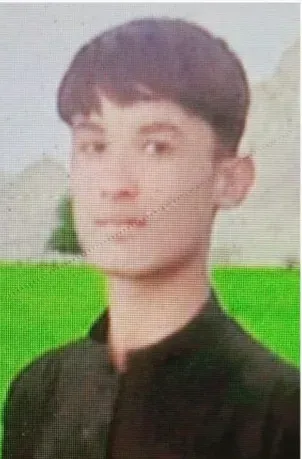
Yasin Baloch , a 28-year-old farmer , was shot dead by the Pakistani Army on 5 October 2026 at a checkpoint near Kor Nali Patek, Dalbandin , according to the BYC .
His colleague Sami was injured in the same incident; Yasin was the sole breadwinner for his two sisters after the death of both parents.
The BYC called for an independent international investigation and described the killing as part of a documented pattern of extrajudicial violence in Balochistan .
Additional sessions judge Asadullah Raisani went missing on 6 October while travelling from Quetta to Panjgur , with contact lost in the Surab region .
The HRCP has urged Pakistani authorities to urgently locate Raisani and keep his family informed.
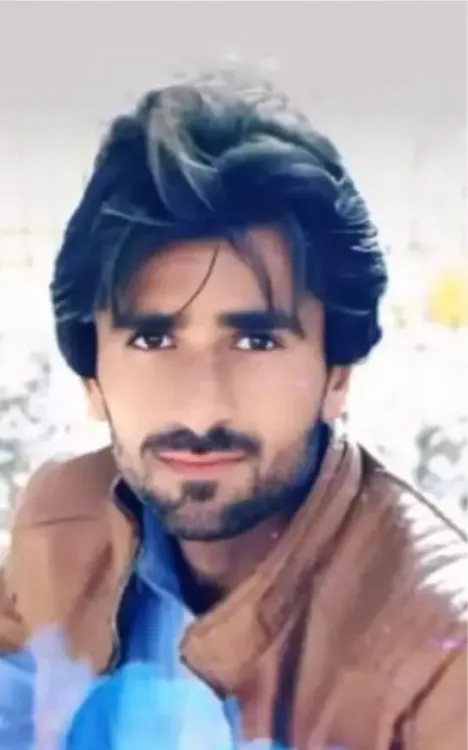
A 28-year-old farmer, Yasin Baloch, was shot dead by the Pakistani Army on 5 October 2026 near the Kor Nali Patek area of Dalbandin in Balochistan, according to the Baloch Yakjehti Committee (BYC), a prominent human rights organisation. His colleague, identified as Sami, was injured in the same incident. The BYC reported the killing on 9 October, describing it as another extrajudicial execution by security forces at a checkpoint.
What Happened at the Checkpoint
According to the BYC, army personnel opened fire on Yasin as he was passing through a checkpoint in the Kor Nali Patek area. He died at the scene, while his colleague Sami sustained injuries. The BYC stated that Yasin was the sole breadwinner of his family — both his parents had already passed away — and that he had been supporting his two sisters at the time of his death.
'Yasin was his parents' only son. Both of his parents had already passed away, and Yasin was the sole breadwinner of the family. He was carrying the responsibility for his sisters when army personnel opened fire on him while he was passing through a checkpoint,' the BYC stated. 'His killing left two sisters without the brother who carried the responsibility of their home.'
BYC Condemns Checkpoint Violence
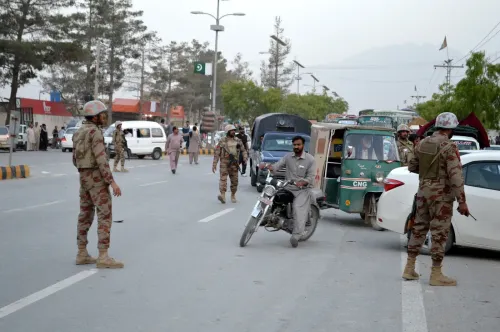
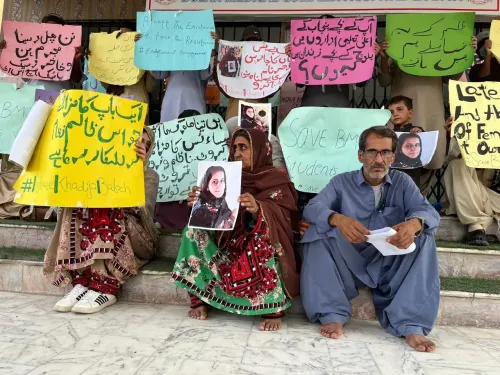
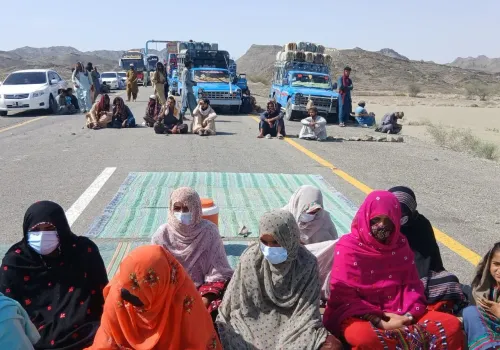
The human rights body described the incident as emblematic of a broader pattern of militarised violence against Baloch civilians. 'Checkpoints are meant to be a security measure, but for Baloch families they have become places where people are humiliated, harassed, and killed,' the BYC said. It added that 'the unchecked use of military power has created an environment in which no Baloch can feel safe in their own home and land.'
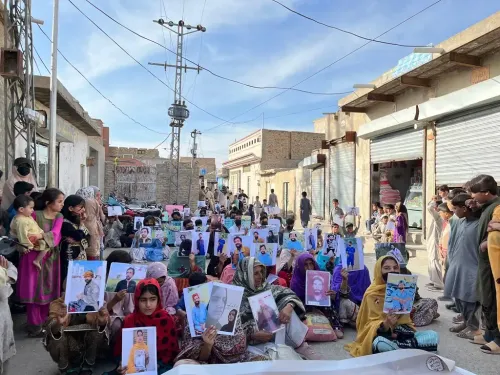
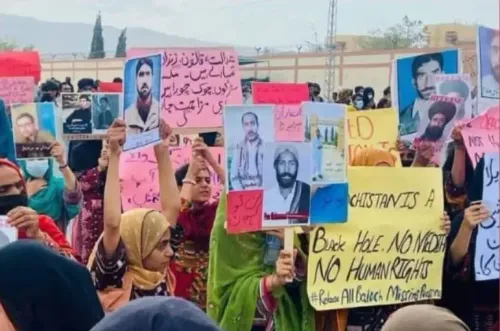
The BYC called on the international human rights community to demand an independent investigation and hold Pakistan accountable for what it described as genocide in the province. The organisation has documented a growing wave of extrajudicial killings and enforced disappearances in Balochistan in recent months.
Sessions Judge Also Reported Missing
In a separate but related development, the Human Rights Commission of Pakistan (HRCP) on 9 October expressed grave concern over the reported disappearance of Asadullah Raisani, an additional sessions judge, while travelling from Quetta to Panjgur district. According to the HRCP, citing family sources, Raisani left Quetta on 6 October but contact with him was lost in the Surab region of Balochistan.
'We call on the authorities to ascertain his whereabouts and keep his family informed of all developments. Given the serious security situation in Balochistan, the authorities must treat the reported disappearance as a matter of utmost urgency,' the HRCP posted on X.
Pattern of Enforced Disappearances and Killings
The twin incidents underscore what rights groups describe as a deepening crisis in Balochistan. The province has long been the site of documented enforced disappearances and allegations of extrajudicial killings, with Pakistani security forces accused of operating with near-total impunity. International human rights organisations, including Amnesty International and Human Rights Watch, have previously flagged the situation in Balochistan as requiring urgent attention. Notably, the disappearance of a serving judicial officer — not just a civilian — marks a particularly alarming escalation, critics argue.
Pakistan's government has not publicly responded to either incident as of the time of this report. The international community's response and any independent inquiry remain awaited.
Point of View
It suggests institutional impunity has moved beyond the civilian population. The BYC's call for an independent international investigation is not new, but the accumulation of incidents — farmer, judge, checkpoint, highway — makes the case for international pressure harder to dismiss. Pakistan's silence on both counts will itself become part of the record.
NationPress
9 Oct 2026
Frequently Asked Questions
Who was Yasin Baloch and how was he killed?
Yasin Baloch was a 28-year-old farmer from Balochistan who was shot dead by Pakistani Army personnel on 5 October 2026 at a checkpoint near the Kor Nali Patek area in Dalbandin. According to the Baloch Yakjehti Committee, he was passing through the checkpoint when soldiers opened fire, killing him and injuring his colleague Sami.
What is the Baloch Yakjehti Committee (BYC)?
The Baloch Yakjehti Committee is a prominent human rights organisation that documents extrajudicial killings, enforced disappearances, and other abuses against the Baloch population in Pakistan's Balochistan province. It has been a vocal advocate for independent international investigations into the situation in the region.
Who is Asadullah Raisani and why did the HRCP raise an alarm?
Asadullah Raisani is an additional sessions judge who went missing on 6 October 2026 while travelling from Quetta to Panjgur district; contact with him was lost in the Surab region. The Human Rights Commission of Pakistan urged authorities to urgently locate him, citing the serious security situation in Balochistan.
What is the broader human rights situation in Balochistan?
Balochistan has long been the site of documented enforced disappearances and allegations of extrajudicial killings by Pakistani security forces, with international bodies such as Amnesty International and Human Rights Watch previously flagging the situation. Rights groups say the pattern has worsened in recent months, with civilians reportedly targeted even at routine security checkpoints.
Has Pakistan's government responded to these incidents?
As of the time of this report, Pakistan's government had not publicly responded to either the killing of Yasin Baloch or the disappearance of sessions judge Asadullah Raisani. Both incidents were reported by independent human rights organisations, and an official Pakistani statement or independent investigation had not been announced.