Pakistan's Role in US-Iran Ceasefire: Courier, Not Mediator
Synopsis
Discover how Pakistan's involvement in the recent US-Iran ceasefire negotiations has been characterized more as a courier than a mediator. This analysis unveils the intricacies of diplomatic channels and the influence of major powers like China.
Key Takeaways
Pakistan's role was more of a communicator than a mediator.
China's influence played a significant part in the negotiations.
The ceasefire proposal was carefully crafted to avoid diplomatic fallout for major players.
Pakistan's diplomatic stature increased following the ceasefire announcement.
Understanding diplomatic roles is key to analyzing international relations.
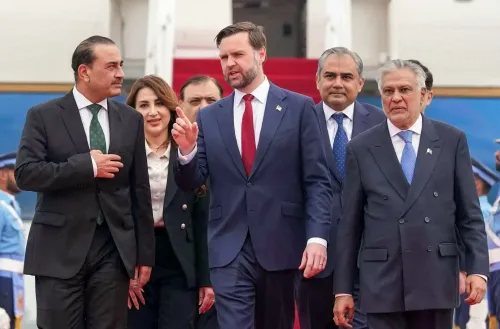
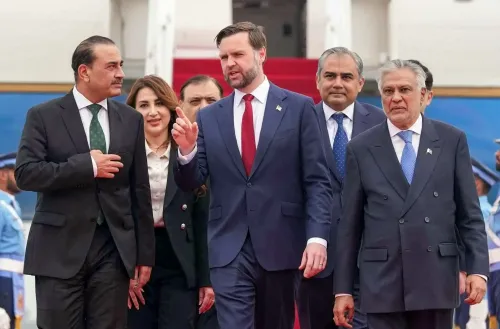
Kabul, April 13 (NationPress) The role of Pakistan in the diplomatic discussions between the United States and Iran has been characterized more as that of a courier than a true mediator. Lacking key leverage and the ability to propose solutions, Pakistan served primarily as a diplomatic conduit, facilitating communication for major powers like China without direct involvement, a report revealed on Monday.
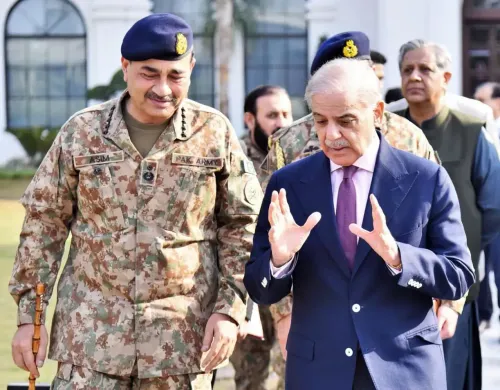
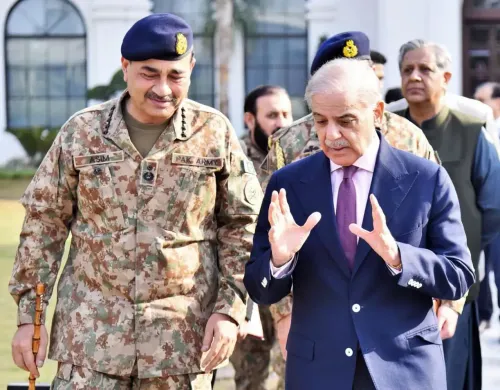
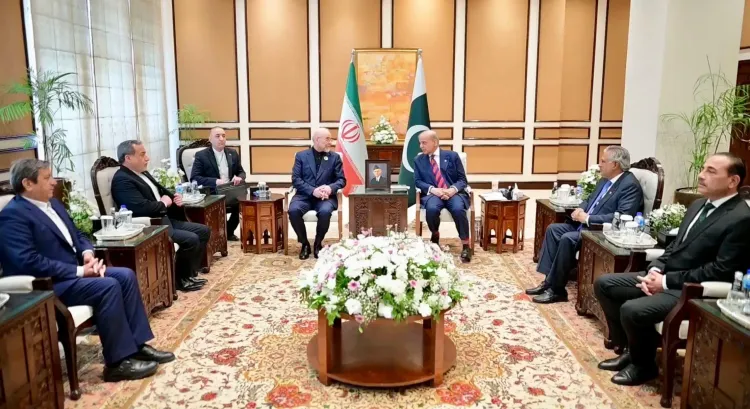
On April 8, the world observed with a mix of relief and astonishment as the United States and Iran reached a two-week ceasefire agreement, with Pakistan being acknowledged as the 'mediator' that enabled this breakthrough. Pakistan's diplomatic stature surged in the international arena, with Field Marshal Asim Munir receiving significant praise and Prime Minister Shehbaz Sharif receiving congratulatory messages from leaders such as Macron, Erdogan, and the UN Secretary-General. However, a deeper analysis reveals that Pakistan's role was more about delivering messages between the two significant powers, the United States and China, rather than actively shaping the outcomes, as highlighted by a report from Afghanistan's prominent news outlet, Khaama Press.
The report further elaborated that shortly after Pakistani Foreign Minister Ishaq Dar's visit to Beijing, elements of a joint peace proposal from China and Pakistan materialized within the ceasefire framework accepted by both Washington and Tehran.
Significantly, this proposal was crafted to evade positions that might impose diplomatic costs for Beijing, particularly focusing on the Strait of Hormuz, a vital area of concern for China, while leaving more contentious political matters intentionally vague.
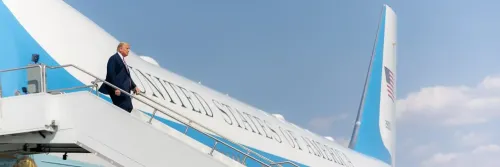
For former US President Donald Trump, acknowledging Chinese involvement openly would have posed political challenges, as it could indicate reliance on Beijing's influence over Tehran.
Conversely, for China, taking an active role carried reputational risks, given that Beijing has often been wary of engaging in high-profile diplomatic initiatives where failure could lead to significant backlash, the report noted.
Pakistan effectively bridged this divide. It offered the United States a partner it could publicly recognize while also providing China with a discreet channel for its influence over Iran without drawing attention. Dar's visit to Beijing likely involved talks about securing China as a guarantor for any agreement, and Pakistan would not have initiated such discussions without prior coordination with both Washington and Beijing. In practice, Tehran is likely to regard Beijing as the ultimate guarantor of any agreement with the United States, the report stated.
The report emphasized that the urgency and access of Pakistan’s interactions do not equate to mediation; rather, Pakistan's function is more accurately described as that of a diplomatic courier. The foundational aspects of the ceasefire—such as proposal sequencing, guarantor arrangements, and the management of Iranian expectations—seem to have been influenced as much by Beijing as by Islamabad.
Point of View
It's crucial to understand the nuances of diplomatic roles. Pakistan's involvement in the US-Iran ceasefire negotiations, while significant, illustrates the complexities of international relations where perceptions don't always match reality. This highlights the importance of recognizing the subtleties in diplomatic engagements.
NationPress
19 Sept 2026
Frequently Asked Questions
What role did Pakistan play in the US-Iran ceasefire negotiations?
Pakistan acted primarily as a courier, facilitating communication between the United States and China, rather than as a mediator directly influencing the negotiations.
Why is the term 'courier' used to describe Pakistan's role?
The term 'courier' reflects Pakistan's function in delivering messages between major powers without having direct leverage or proposing solutions.
What was the significance of Ishaq Dar's visit to Beijing?
Ishaq Dar's visit to Beijing was pivotal in shaping elements of a joint peace proposal that emerged in the ceasefire agreement framework.
How did the ceasefire agreement affect Pakistan's diplomatic standing?
The ceasefire agreement elevated Pakistan's diplomatic status, garnering attention and praise from various global leaders.
What were the concerns for China regarding its involvement?
China was cautious about its involvement due to potential reputational risks associated with high-profile diplomatic engagements.