Pakistan's Ongoing Battle with Terrorism: A Report on Root Causes
Synopsis
A recent report reveals that Pakistan's approach to terrorism is failing, as it remains reactive without addressing the root causes. The country faces increasing violence, raising concerns about national security and stability.
Key Takeaways
Pakistan's military actions alone are insufficient to combat terrorism.
The country has seen a 6% rise in terrorism-related deaths.
Khyber Pakhtunkhwa and Balochistan are the most affected regions.
The Taliban's resurgence has empowered the TTP.
Root causes of terrorism include political instability , poverty, and education deficits.
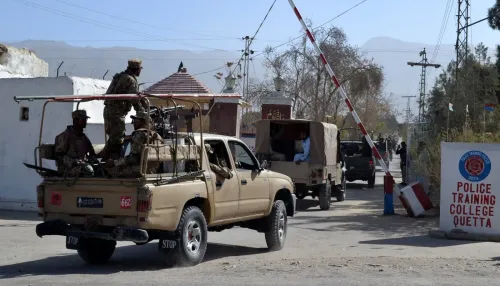
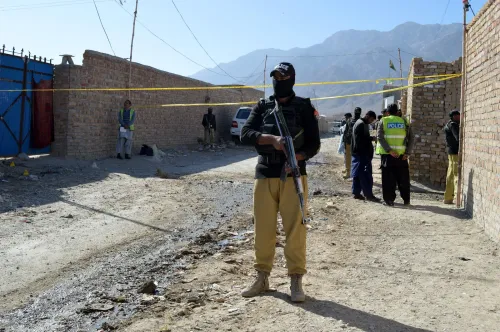
Islamabad, April 12 (NationPress) The ongoing terrorist violence in Pakistan highlights a significant failure by authorities, whose approach remains predominantly reactive rather than proactive. A report indicates that there have been minimal efforts to tackle the underlying factors that fuel terrorism.
Merely conducting military operations is insufficient to prevent terrorist acts, as these kinetic measures do not effectively address the root drivers of terrorism in Pakistan, according to the report published by Greece-based Directus.
Pakistan has been ranked as the most affected nation by the Global Terrorism Index, with a reported increase of 6 percent in deaths associated with terrorism. The Institute for Economics and Peace released this critical report last week. In 2025, Pakistan was positioned second on the Global Terrorism Index, witnessing a staggering 45 percent rise in terrorist-related fatalities over the previous year.
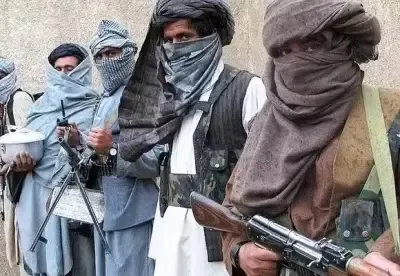
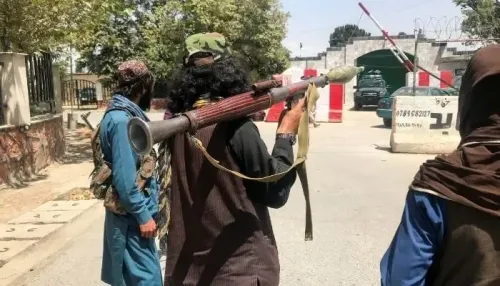
The resurgence of the Taliban in Afghanistan has armed the Tehreek-e-Taliban Pakistan (TTP) with both the capability and motivation to broaden their operational scope, resulting in a marked surge in violent extremism regionally. In February, Pakistan initiated 'Operation Ghazab lil-Haq' (Righteous Fury) in response to what it termed as unprovoked attacks by Afghan forces across various border regions.
The report emphasizes that the ongoing 'war on terror' has repeatedly demonstrated that military operations alone are neither effective nor sustainable in preventing terrorist attacks. The reactive nature of the current strategy, coupled with insufficient efforts to eradicate the fundamental causes driving terrorism, has allowed terrorist violence to resurface, often with greater intensity, leading Pakistan to the forefront of nations suffering from such attacks.
Factors like political polarization within Pakistan and the US-Iran conflict may exacerbate the terrorism threats facing the country. Long-standing issues such as political instability, frequent policy shifts, and transitions in power have only intensified the terrorist landscape.
The report lists several contributing factors to terrorism, including sectarian violence, inadequate education, rising poverty, a fractured social structure, and societal polarization. All these elements are intricately linked to extremism—the foundation for the persistent waves of terrorism within the country, exacerbated by the poorly managed madrasa culture, flawed policymaking, and economic vulnerabilities that hinder effective counter-terrorism strategies.
According to the Global Terrorism Index 2026 report, Khyber Pakhtunkhwa and Balochistan have been the regions most severely impacted by terrorism, accounting for more than 74 percent of terrorist incidents and 67 percent of related fatalities in 2025. The report underscores the necessity for reconciliation efforts in Balochistan and similar initiatives, not only to mitigate terrorist attacks but also to enhance Pakistan's standing on the Global Terrorism Index.
With the TTP now recognized as the 'deadliest' terrorist group in Pakistan and the third deadliest worldwide, the nation has seen a significant escalation in terrorist activity, propelling it to the top of the Global Terrorism Index, despite a global decline in terrorism incidents. While worldwide attacks have decreased by approximately 22 percent and deaths from terrorism have fallen by 28 percent, Pakistan must integrate kinetic strategies with non-kinetic approaches to effectively combat terrorism.
Point of View
It is imperative to highlight that Pakistan's ongoing struggle with terrorism is not merely a matter of military response. A comprehensive strategy that addresses both the symptoms and root causes is essential for sustainable peace and security.
NationPress
19 Sept 2026
Frequently Asked Questions
What does the report state about Pakistan's military approach to terrorism?
The report indicates that military operations alone are not sufficient to deter terrorist attacks, as they fail to address the underlying causes of terrorism.
Which regions in Pakistan are most affected by terrorism?
Khyber Pakhtunkhwa and Balochistan are identified as the most impacted areas, accounting for over 74 percent of terrorist attacks and 67 percent of deaths.
How has the Taliban's resurgence in Afghanistan affected Pakistan?
The Taliban's return to power has enabled the TTP to expand its operational reach, leading to a rise in violent extremism within Pakistan.
What are some root causes of terrorism in Pakistan?
Factors such as sectarian violence, lack of education, poverty, and societal polarization have all contributed to the persistence of terrorism.
What is the Global Terrorism Index?
The Global Terrorism Index is a report that ranks countries based on the level of terrorist activity and its impact on society.