Palestinian Ambassador Critiques Trump's Remarks on Pope and Multilateralism Decline
Synopsis
In a recent interview, Palestinian Ambassador Abdullah Abu Shawesh condemned President Trump’s criticisms of Pope Leo XIV and highlighted the deterioration of international law and multilateralism, warning of global repercussions from the blockade of the Strait of Hormuz.
Key Takeaways
Ambassador Shawesh criticizes Trump for questioning the Pope's authority.
Deterioration of international law is a significant concern raised by the Ambassador.
The blockade of the Strait of Hormuz poses risks not just for Iran but for the entire global community.
Trump's foreign policies are seen as harmful to the Palestinian cause.
The Strait of Hormuz is essential for global oil trade.
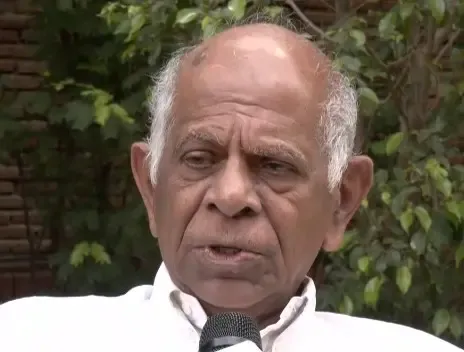
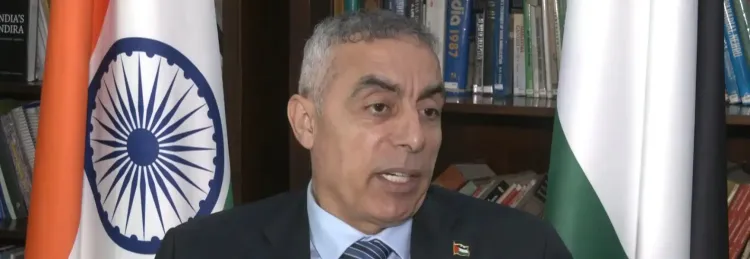
New Delhi, April 13 (NationPress) Palestinian Ambassador to India, Abdullah Abu Shawesh, highlighted the alarming decline of international law and multilateralism while criticizing US President Donald Trump for his remarks about Pope Leo XIV being 'weak'.
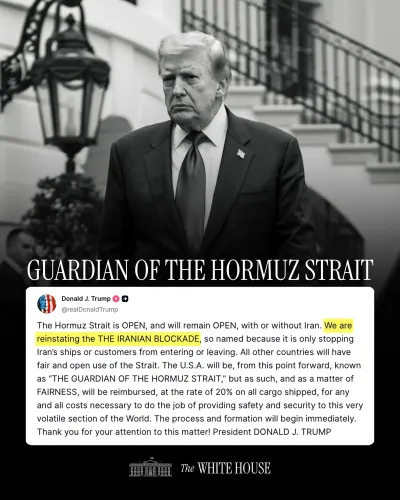
In a conversation with IANS, the Ambassador condemned Trump's actions regarding the Strait of Hormuz, asserting that the blockade would have repercussions not only for Iran but for the entire global community.
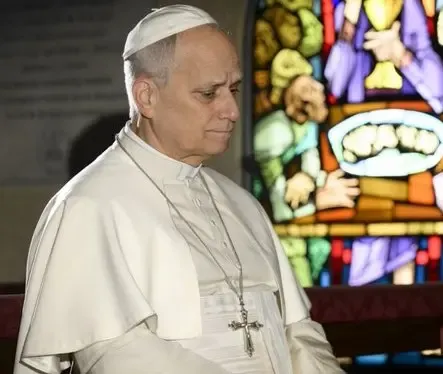
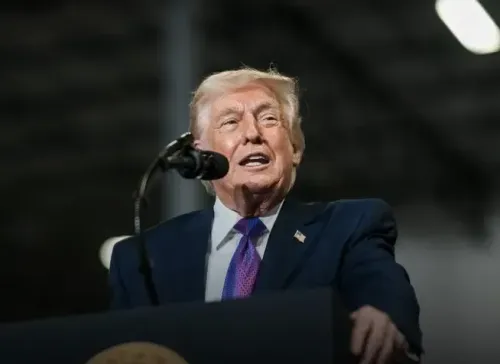
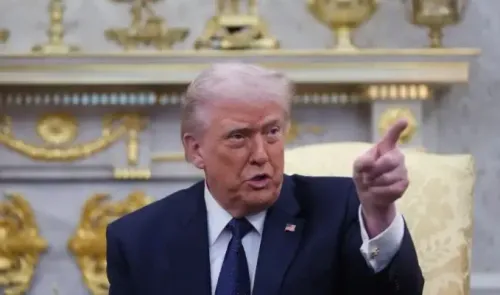
Trump's recent social media tirade against Pope Leo XIV accused the Pontiff of being 'weak on crime' and criticized his views on foreign relations, particularly regarding Iran and domestic US matters.
Shawesh stated, 'When someone can openly criticize such an important figure as the Pope, it signifies a further decline in multilateralism and the respect for international law. This is a significant moment in history... The Pope should be beyond reproach.'
Addressing the security situation in West Asia, Shawesh emphasized that the blockade of the Hormuz Strait would negatively impact not just Iran, but the global community as a whole.
'The strait serves the interests of the international community... The primary request from the Americans is to keep the Strait open. It's unclear what advantage or value is gained from obstructing it,' he remarked.
He criticized Trump's assertion of having reduced global conflicts, arguing that his actions have inflicted harm on both the Palestinian cause and the broader international community by instigating tensions with Iran.
'Trump's methodologies are detrimental to all, including the Palestinian cause. His first term was marked by destructive actions against the Palestinian people, particularly relocating the US Embassy to Jerusalem, which blatantly violates international law. A leader who claims to halt wars has instead initiated a significant conflict with Iran, adversely affecting the Palestinian populace and the global community. We must remember that safety is collective; no one is secure until everyone is secure,' Shawesh noted.
He also pointed out that nations reliant on oil exports would face severe challenges if the US imposes restrictions on the Strait of Hormuz.
The Strait of Hormuz, a crucial connector between the Persian Gulf and the Gulf of Oman, is pivotal for global oil shipments, facilitating nearly 20% of the world's oil transport.
'What will happen to other nations utilizing this strait? Oil producers will find it impossible to sell their products. This is irrational,' he added.
The United States plans to enforce an extensive maritime blockade on vessels entering or departing Iranian ports starting April 13, heightening tensions following unsuccessful negotiations between Washington and Tehran regarding key issues, including Iran's nuclear program. This decision, announced by US Central Command (CENTCOM), will target all maritime traffic at Iranian ports, including those in the Arabian Gulf and Gulf of Oman.
Point of View
Particularly in light of President Trump's controversial remarks and policies. The potential implications for global stability are critical, necessitating a thorough examination of the interconnectedness of nations and the importance of multilateral cooperation.
NationPress
19 Sept 2026
Frequently Asked Questions
What did the Palestinian Ambassador say about Trump's remarks on the Pope?
The Palestinian Ambassador criticized Trump for calling Pope Leo XIV 'weak,' stating that such criticism reflects a deterioration of international law and multilateralism.
How will the blockade of the Strait of Hormuz affect the international community?
The Ambassador emphasized that the blockade would not only punish Iran but would also have detrimental effects on the entire global community, especially nations reliant on oil exports.
What are the international implications of the US blockade on Iranian ports?
The US blockade is expected to escalate tensions and disrupt global oil shipments, as the Strait of Hormuz is a crucial route for nearly 20% of the world's oil.
What stance did the Ambassador take on Trump's foreign policy?
The Ambassador argued that Trump's actions harm not only the Palestinian cause but also the broader international community, claiming that his approach leads to increased conflict rather than peace.
What is the importance of the Strait of Hormuz in global trade?
The Strait of Hormuz is vital for global oil transit, carrying nearly a fifth of the world's oil shipments, making it a strategic point for international trade and security.