Panchna Dam water dispute resolved after 20 years, irrigation to resume in Karauli
Synopsis
A water-sharing dispute that paralysed Panchna Dam's 2,100 MCFT reservoir for nearly two decades was resolved in a single night of dialogue in Jaipur. With ₹11.50 crore in canal repairs nearing completion and a trial water release expected within seven days, eastern Rajasthan's farmers may finally see water in canals that have been dry since 2006 — a rare win for negotiated consensus over prolonged deadlock.
Key Takeaways
Panchna Dam water dispute in Karauli, Rajasthan resolved on 1 July 2025 after nearly 20 years of deadlock.
Water Resources Minister Suresh Singh Rawat will announce a release date within seven days ; initial flow will be on a trial basis.
The dam has a capacity of 2,100 MCFT and potential to irrigate nearly 10,000 hectares — unused since 2006 .
The state sanctioned ₹11.50 crore for canal network repairs, now reportedly nearing completion.
21 revenue villages , including Gudla, will receive lift irrigation as part of the settlement terms.
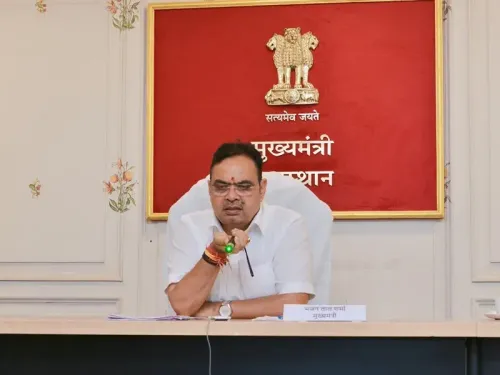
Chief Minister Bhajanlal Sharma's budget announcement of a lift irrigation scheme was credited as the key confidence-builder that enabled talks.
A 20-year deadlock over water distribution from Panchna Dam in Karauli district, Rajasthan, was broken late Tuesday night after representatives of rival stakeholder groups signed a written agreement, paving the way for the resumption of irrigation across nearly 10,000 hectares of farmland. The settlement brings relief to thousands of farmers who have watched canal beds run dry since 2006.
How the Agreement Was Reached
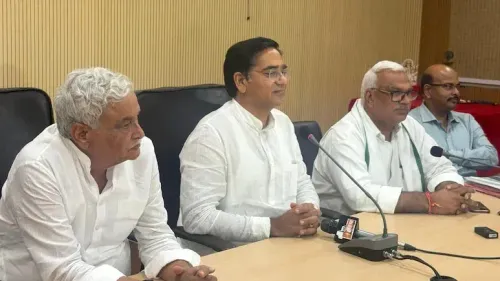
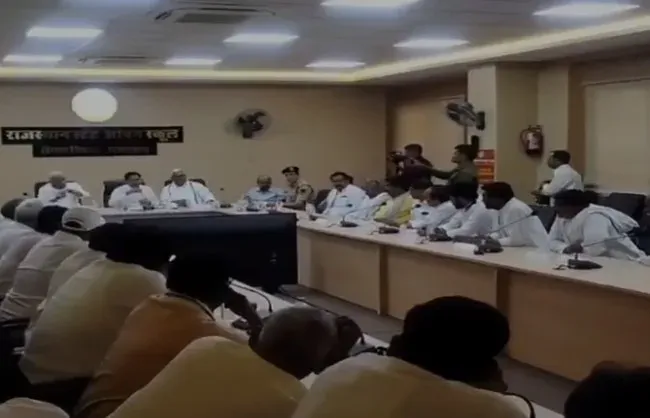
The accord was signed at the Education Complex in Jaipur following extensive discussions convened in the presence of Rural Development Minister Dr Kirodi Lal Meena, Water Resources Minister Suresh Singh Rawat, and Minister of State for Home Affairs Jawahar Singh Bedham. Senior officials from the Water Resources Department, Rural Development Department, Rajasthan Police, and the district administrations of Karauli and Sawai Madhopur also participated, presenting technical updates and a roadmap for implementation.
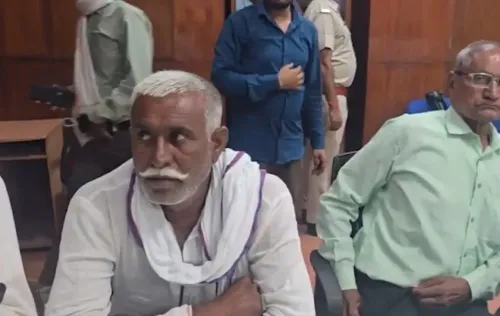
Representatives of the Gudla Sangharsh Samiti, Gramotthan Sanstha, and Gambhir Nadi Jal Bachao Samiti welcomed the settlement, describing it as a long-awaited resolution to a dispute that had eroded livelihoods across the region for nearly two decades.
What the Government Has Committed
Water Resources Minister Suresh Singh Rawat announced that his department would finalise a date for releasing water from the dam within the next seven days. Water will initially flow on a trial basis, pending technical inspections of the canal network to assess its readiness. The government has also committed to advancing a lift irrigation project and strengthening broader irrigation infrastructure across the command area.
The state government had earlier sanctioned ₹11.50 crore for repairing the canal network, work that is reportedly nearing completion. Minister of State Jawahar Singh Bedham appealed to all stakeholders to cooperate in ensuring the early release of water into the canals.
The Roots of the 20-Year Dispute
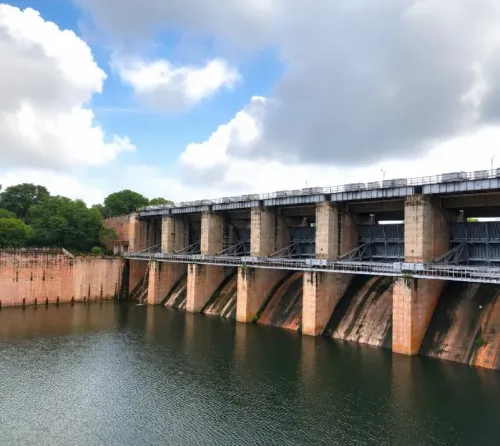
At the heart of the deadlock were 21 revenue villages, including Gudla, whose residents consistently demanded that drinking water and irrigation water first be supplied to their settlements through a lift irrigation scheme before canal water was released downstream. The Panchna Dam, with a storage capacity of 2,100 MCFT, has the potential to irrigate nearly 10,000 hectares — yet water had not flowed through the command area canals since 2006 due to this unresolved disagreement.
The stalemate persisted year after year, suppressing agricultural productivity and leaving one of eastern Rajasthan's major irrigation assets severely underutilised.
What Broke the Deadlock
A turning point came when Chief Minister Bhajanlal Sharma included a lift irrigation scheme for the 21 revenue villages in the state budget. That assurance, according to officials, rebuilt confidence among stakeholders and created conditions for meaningful negotiations. Rural Development Minister Dr Kirodi Lal Meena described the agreement as the end of a two-decade impasse and credited farmers for maintaining dialogue and mutual trust throughout the process.
What Comes Next
If implemented as planned, the agreement could transform the agricultural landscape of the Panchna command area. For farmers who have endured nearly 20 years of dry canal beds, the true measure of success will arrive when water flows again through the restored network. Officials and civil society groups alike have pointed to this settlement as a potential model for resolving entrenched water-sharing disputes through consensus rather than confrontation.
Point of View
The gap between a signed agreement and water in the field remains real. Rajasthan has seen irrigation promises stall at the infrastructure stage before. The ₹11.50 crore repair outlay and the seven-day deadline for a release date are the first accountability markers worth watching.
NationPress
30 Sept 2026
Frequently Asked Questions
What is the Panchna Dam water dispute in Rajasthan?
The Panchna Dam dispute was a nearly 20-year conflict over how water from the dam in Karauli district should be distributed. Residents of 21 revenue villages, including Gudla, demanded that a lift irrigation scheme supply their villages first before canal water was released downstream — a demand that blocked any water release since 2006.
When was the Panchna Dam dispute resolved and who brokered the deal?
The agreement was signed late on Tuesday, 1 July 2025, at the Education Complex in Jaipur. It was brokered in the presence of Rural Development Minister Dr Kirodi Lal Meena, Water Resources Minister Suresh Singh Rawat, and Minister of State for Home Affairs Jawahar Singh Bedham.
When will water be released from Panchna Dam?
Water Resources Minister Suresh Singh Rawat announced that a release date would be finalised within seven days of the agreement. The initial release will be on a trial basis, subject to technical inspections of the canal network to confirm its readiness.
How much farmland does Panchna Dam have the potential to irrigate?
The Panchna Dam, with a storage capacity of 2,100 MCFT, has the potential to irrigate nearly 10,000 hectares of farmland. Despite this capacity, the command area canals had received no water since 2006 due to the unresolved distribution dispute.
What was the key factor that broke the 20-year deadlock?
Chief Minister Bhajanlal Sharma's budget announcement of a lift irrigation scheme for the 21 revenue villages at the centre of the dispute was credited as the turning point. The fiscal commitment rebuilt stakeholder confidence and created the conditions for the final agreement. The state also sanctioned ₹11.50 crore for canal network repairs, work that is reportedly nearing completion.