Pilot urges Rajasthan govt to hold talks on Panchana Dam row
Synopsis
Congress leader Sachin Pilot on 18 June 2026 called on the Rajasthan government to convene multi-stakeholder talks to resolve the Panchana Dam dispute in Karauli and to honour the Rajasthan High Court's direction in the matter.
Key Takeaways
Sachin Pilot publicly demanded that the Rajasthan government hold talks with all parties involved in the Panchana Dam dispute on 18 June 2026 .
He specifically called for respect and compliance with the Rajasthan High Court's direction on the matter.
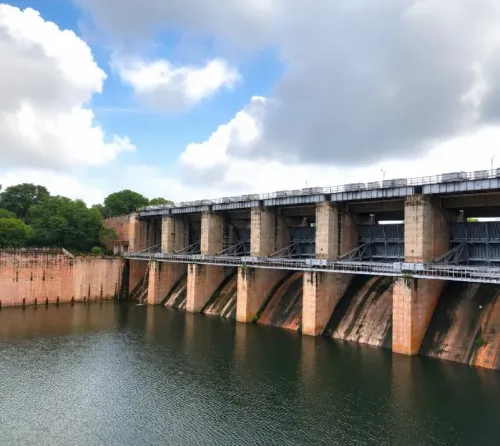
Panchana Dam is located in Karauli district , Rajasthan, and is central to irrigation for local farming communities.
Primary affected stakeholders include Karauli district farmers and downstream village communities dependent on dam water.
The demand fits a broader pattern of opposition leaders using judicial orders to press for inclusive administrative dialogue on water disputes in Rajasthan.
A formal government response or constitution of tripartite talks would be the key next step to watch.
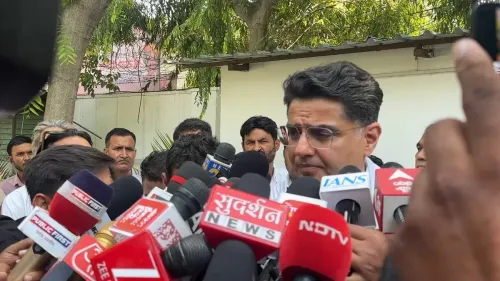
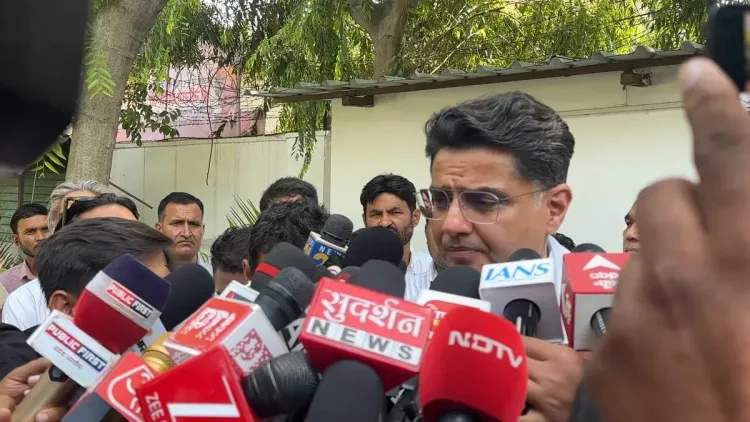
Congress leader and Rajasthan in-charge Sachin Pilot on Thursday, 18 June 2026, called on the Rajasthan government to engage all stakeholders in dialogue to resolve the ongoing dispute over Panchana Dam and to honour the direction issued by the Rajasthan High Court in the matter.
Posting on X, Pilot wrote: 'पांचना बांध के मुद्दे पर सभी पक्षों से वार्ता कर समाधान निकाले सरकार, हाईकोर्ट के निर्णय का हो सम्मान' — urging the government to 'hold talks with all parties on the Panchana Dam issue and find a solution, and to respect the High Court's decision.'
Context
Panchana Dam is a major reservoir located in Karauli district of Rajasthan. It is a critical source of irrigation water for farmers in the surrounding region, and disputes over its water allocation, submergence zones, and release schedules have periodically flared into public controversy. The dam's management directly affects the livelihoods of farming communities and downstream villages dependent on its waters.
Pilot, who served as Deputy Chief Minister of Rajasthan and has consistently engaged with the state's water governance issues, framed his demand around two pillars: multi-party consultation and judicial compliance. His intervention signals that affected communities feel the state executive has not adequately responded to the court's direction.
Policy Backdrop
Water infrastructure disputes in Rajasthan — one of India's most arid states — have a long history of ending up in court. Conflicts over submergence compensation, inter-region water sharing, and dam release schedules have repeatedly required judicial intervention because administrative processes have been seen as slow or partial. The Rajasthan High Court has in several past instances issued directions to the state government to consult affected gram panchayats and ensure equitable distribution of benefits and burdens from such projects.
Opposition leaders invoking court orders to demand executive dialogue — rather than allowing unilateral administrative decisions — has become a recognisable pattern in western India's resource politics. Pilot's post fits squarely within this tradition, using the moral authority of a judicial ruling to press for structured, inclusive talks.
Stakeholders and Impact
The primary stakeholders in the Panchana Dam dispute are Karauli district farmers who depend on the reservoir for irrigation, as well as communities in downstream villages whose land and livelihoods are affected by water release decisions and submergence. Gram panchayats in the catchment area have historically sought a formal seat at the table in decisions about dam operations.
If the state government does not convene inclusive talks, the risk of prolonged litigation — and the hardship that comes with legal uncertainty over water access during the sowing season — falls disproportionately on small and marginal farmers. Pilot's public call raises the political cost of administrative inaction.
What's Next
The immediate test is whether the Rajasthan government, led by the Bharatiya Janata Party, responds formally to the High Court's order and constitutes a tripartite dialogue mechanism involving the administration, affected communities, and other relevant parties. A formal government response or the scheduling of stakeholder talks would mark a concrete step toward resolution.
Pilot's intervention is likely to keep pressure on the state executive in the coming days. If no talks are announced, the matter could return to the High Court for compliance proceedings, further heightening political and legal scrutiny of the government's handling of the dispute.
Point of View
He raises the legal and reputational stakes for the ruling government's inaction. This approach reflects a wider trend in Rajasthan's water politics, where the courts have become the primary arena for resolving resource conflicts that the executive has struggled to manage through consultation. For the BJP state government, ignoring the call risks both a contempt narrative and visible farmer discontent ahead of the next electoral cycle. The episode underscores that water governance in arid Rajasthan remains one of the most politically charged and judicially active policy domains.
NationPress
19 Sept 2026
Frequently Asked Questions
What is the Panchana Dam dispute about?
The Panchana Dam dispute in Karauli district, Rajasthan, centres on water allocation, release schedules, and the rights of farmers and downstream communities affected by the reservoir's operations. The Rajasthan High Court has issued a direction on the matter that Congress leader Sachin Pilot has urged the state government to honour.
What did Sachin Pilot say about Panchana Dam?
On 18 June 2026, Sachin Pilot posted on X calling on the Rajasthan government to hold talks with all stakeholders to find a solution to the Panchana Dam dispute and to respect the Rajasthan High Court's decision in the matter.
Where is Panchana Dam located?
Panchana Dam is located in Karauli district in the state of Rajasthan, India. It is an important irrigation reservoir for farming communities in the surrounding region.
What action has the Rajasthan High Court taken on Panchana Dam?
The Rajasthan High Court has issued a direction related to the Panchana Dam dispute. The exact text and date of the order have not been officially confirmed in the public domain, but Sachin Pilot has called on the state government to comply with it.
Why is water governance such a big issue in Rajasthan?
Rajasthan is one of India's most arid states, making water from dams and reservoirs critical for agriculture. Disputes over allocation, submergence compensation, and release schedules frequently lead to litigation, with courts often directing the government to consult affected communities.