Sharad Pawar meets PM Modi on Maharashtra farm crisis, NEET protests
Synopsis
Sharad Pawar walked into PM Modi's Parliament office with two urgent crises in hand: a farmer suicide toll averaging one death every three hours in Maharashtra, and a student protest movement demanding accountability on the NEET-UG paper leak. The meeting's political subtext — NCP (SP)'s eight MPs and the Delimitation Bill — makes this more than a courtesy call.
Key Takeaways
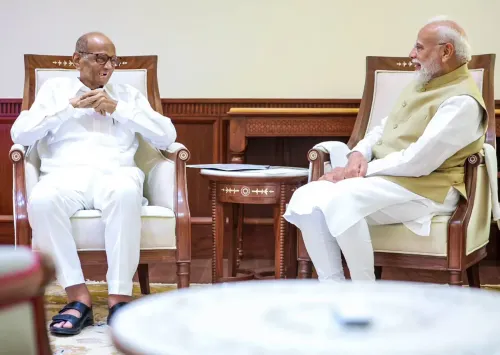
Sharad Pawar and Supriya Sule met PM Modi at his Parliament office on 22 July during the Monsoon Session.
Pawar's memorandum cited over 2,700 farmer suicides in Vidarbha and Marathwada within a single year — one death every three hours .
He demanded independent audit of delayed irrigation projects and fast-tracked Jal Jeevan Mission implementation in drought-prone areas.
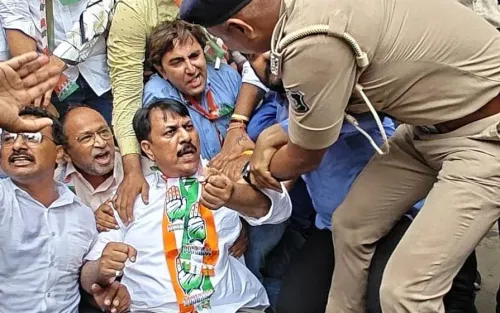
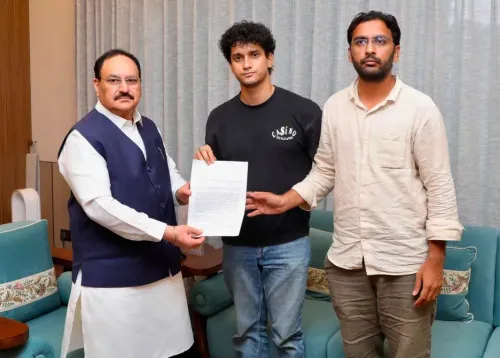
Pawar urged the government to engage empathetically with NEET-UG paper leak protesters at Jantar Mantar , opposing police action against peaceful demonstrators.
NCP (SP) 's 8 MPs are seen as pivotal to the government's push for a two-thirds majority on the Delimitation Bill ; the party has sought a written assurance on a 50% seat increase.
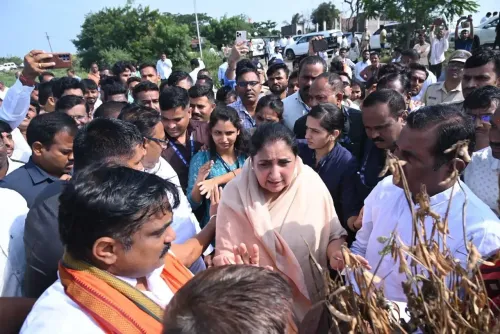
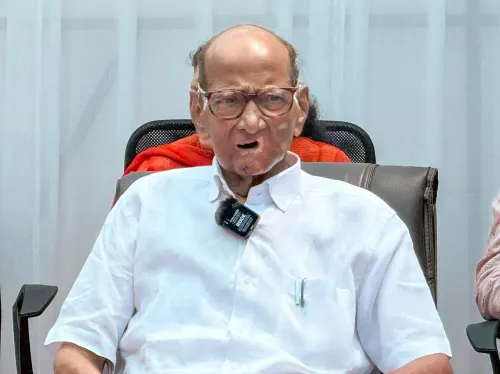
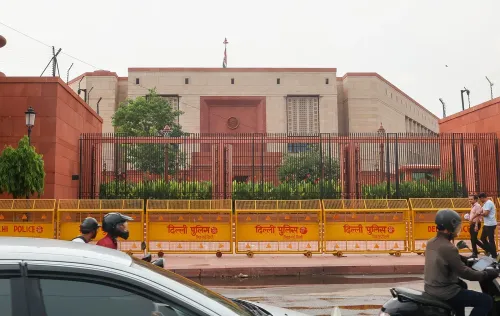
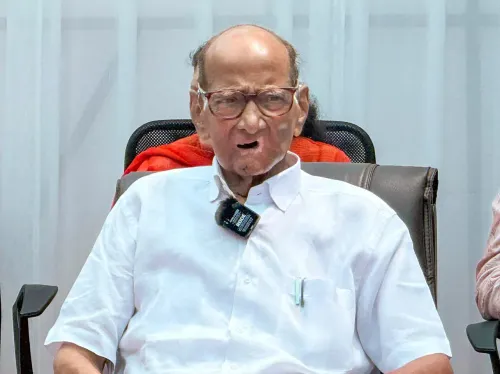
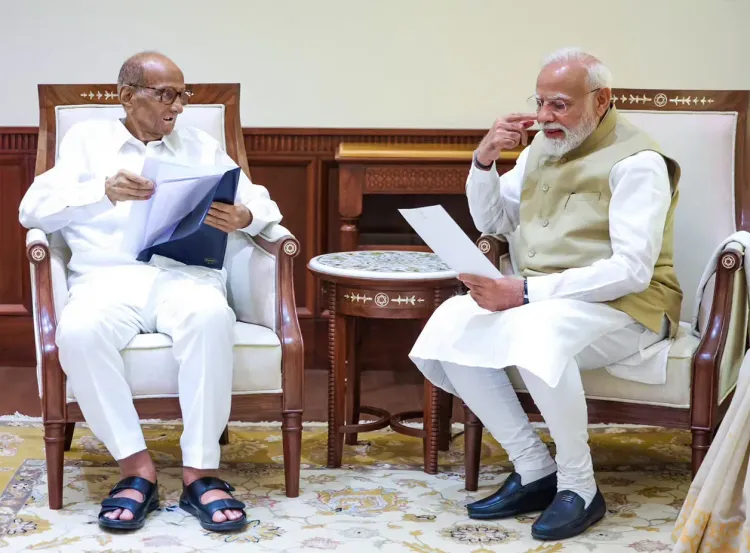
Nationalist Congress Party (SP) chief Sharad Pawar, accompanied by his daughter and Lok Sabha MP Supriya Sule, on Wednesday, 22 July met Prime Minister Narendra Modi at his Parliament office, submitting a formal memorandum on Maharashtra's deepening agrarian distress and pressing for government engagement with students protesting the NEET-UG examination paper leak. The meeting unfolded during the ongoing Monsoon Session of Parliament, a day after Pawar and Sule visited demonstrators at Jantar Mantar.
The Agrarian Crisis Memorandum
In his written submission to the Prime Minister, Pawar laid out the scale of rural suffering across Maharashtra, citing erratic rainfall, persistent drought, and administrative bottlenecks as compounding factors. He highlighted that more than 2,700 farmers died by suicide across Vidarbha and Marathwada within a single year — an average of one farmer death every three hours. Pawar argued that what farmers need is not temporary grants or loan waivers but guaranteed fair pricing and transparent administration.
The memorandum also called for streamlined digital verification procedures to accelerate compensation payouts to affected families, cutting through bureaucratic delays that have long stalled relief. Pawar demanded an independent third-party audit of delayed irrigation projects and the immediate execution of the Jal Jeevan Mission in drought-prone districts.
NEET Protests and Student Demands
Following his visit to the student protest site at Jantar Mantar, Pawar urged the Prime Minister to engage constructively with youth demonstrating against irregularities in competitive examinations. He specifically called on the administration to approach student demands with empathy rather than heavy-handed police action, emphasising that peaceful demonstrators exercising constitutional rights deserve an accountable governmental response.
The Political Backdrop
The meeting arrived amid the government's reported push to secure a two-thirds majority in Parliament for the passage of the Delimitation Bill during the Monsoon Session. NCP (SP)'s eight MPs are considered strategically significant in assembling adequate numbers for the Bill's passage. The party had previously indicated it may consider supporting the legislation if the government provides a written assurance on a 50 per cent seat increase across the board.
While the meeting triggered renewed media speculation about parliamentary alignments, NCP (SP) representatives maintained that the discussion focused strictly on agricultural policy and public grievances — not on any legislative deal-making.
What Comes Next
The ball is now in the Centre's court on both fronts. On farm distress, Pawar's demand for third-party audit and digital compensation reforms will require inter-ministerial coordination. On NEET, the government faces growing pressure from multiple opposition parties to act on examination integrity. How the Centre responds — and whether NCP (SP)'s legislative stance shifts — will be closely watched as the Monsoon Session progresses.
Frequently Asked Questions
Why did Sharad Pawar meet PM Modi on 22 July?
Pawar met PM Modi to submit a memorandum on Maharashtra's agrarian crisis and to urge government engagement with students protesting the NEET-UG paper leak. The meeting took place at Modi's Parliament office during the Monsoon Session.
How severe is the farmer suicide crisis in Maharashtra?
According to Pawar's memorandum, more than 2,700 farmers died by suicide across Vidarbha and Marathwada within a single year, averaging one death every three hours. Pawar attributed the crisis to erratic rainfall, drought, and administrative delays in compensation.
What did Pawar demand for Maharashtra's farmers?
Pawar called for guaranteed fair pricing, streamlined digital verification for compensation payouts, an independent third-party audit of delayed irrigation projects, and immediate implementation of the Jal Jeevan Mission in drought-prone districts.
What is NCP (SP)'s position on the Delimitation Bill?
NCP (SP)'s eight MPs are considered important to the government's effort to secure a two-thirds majority for the Delimitation Bill. The party has indicated it may support the Bill if the government provides a written assurance guaranteeing a 50 per cent seat increase across the board.
What did Pawar say about the NEET-UG protests?
After visiting student demonstrators at Jantar Mantar, Pawar urged PM Modi to engage constructively with the protesters and to avoid heavy-handed police action. He stressed that peaceful demonstrators exercising constitutional rights deserve an accountable government response.