PMEGP funds 8.12 lakh micro entrepreneurs with ₹24,398 crore since FY2014-15
Synopsis
A decade of PMEGP subsidies — ₹24,398.61 crore disbursed to 8.12 lakh entrepreneurs — has created jobs for over 73 lakh people. Two standout beneficiaries illustrate the scale: a ₹25 lakh loan that became a ₹30 crore Ayurvedic soap empire employing 300 women, and a ₹21 lakh food unit now exporting to 26 countries.
Key Takeaways
PMEGP has disbursed ₹24,398.61 crore in margin money subsidies since FY2014-15 .
8.12 lakh micro entrepreneurs have been supported, generating employment for 73.08 lakh people .
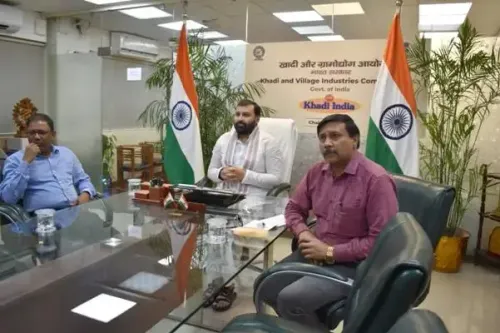
The scheme is implemented by the Khadi and Village Industries Commission (KVIC) under the MSME Ministry .
Skinkaanti Ayurveda (Parwanoo, HP) grew from a ₹25 lakh project to a ₹30 crore turnover business employing 300 people , 95% of them women.
Ess Pee Quality Products (Mohali, Punjab) scaled from a ₹21 lakh investment to a ₹38 crore turnover firm exporting to 26 countries .
Nearly 8.12 lakh micro entrepreneurs have received margin money (MM) subsidy worth ₹24,398.61 crore since FY2014-15 under the Prime Minister's Employment Generation Programme (PMEGP), generating sustainable employment for 73.08 lakh people, according to the government. The figures underscore the scheme's decade-long role as a primary catalyst for self-employment in India's non-farm sector.
What PMEGP Is and How It Works
PMEGP is a flagship initiative of the Ministry of Micro, Small and Medium Enterprises (MSME), implemented on the ground by the Khadi and Village Industries Commission (KVIC). The programme extends financial assistance through MM subsidies on bank-sanctioned loans, enabling prospective entrepreneurs — particularly first-generation business owners — to establish new micro-enterprises in rural and semi-urban areas.
The subsidy structure is designed to bridge the credit gap for individuals who would otherwise lack the collateral or financial history to access institutional lending. By absorbing part of the loan margin, the scheme converts aspiring job seekers into job creators, according to the ministry.
Scale of Impact Since FY2014-15
Over the past decade, PMEGP has disbursed ₹24,398.61 crore in MM subsidies to support the creation of micro-enterprises across sectors. The programme has collectively supported employment for over 73 lakh individuals, making it one of the largest self-employment schemes in India. The scheme's reach spans both manufacturing and service-sector micro-units, with a deliberate emphasis on economically weaker sections and women entrepreneurs.
Beneficiary Stories: From Micro-Enterprise to Market Leader
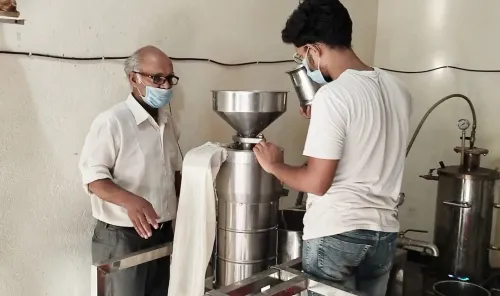
Pooja Sharma of Parwanoo, Himachal Pradesh founded Skinkaanti Ayurveda with a project cost of ₹25 lakh, backed by the State Bank of India. The unit, which blends Ayurvedic formulations with modern manufacturing techniques, has grown into what the ministry describes as India's largest handmade soap manufacturing unit, recording an annual turnover of ₹30 crore and employing 300 individuals — of whom 95 per cent are women. Products are distributed across India through retail and institutional channels.
Surender Pal Singh Nagi of Mohali, Punjab established Ess Pee Quality Products with an initial project cost of ₹21 lakh, financed by Bank of Baroda. The food processing enterprise now records a turnover of ₹38 crore and employs around 130 individuals. It manufactures honey, cookies, and fruit jams, and exports to 26 countries including the US, Australia, and France.
Why PMEGP Matters for India's Employment Landscape
India's micro-enterprise ecosystem faces persistent challenges — limited access to credit, fragmented supply chains, and low formalisation rates. PMEGP addresses the credit access barrier directly, and its decade-long track record suggests the model has taken root, particularly in regions where formal employment options are scarce. Notably, the scheme's emphasis on non-farm activity is also a strategic hedge against rural distress tied to agricultural volatility.
As the government continues to expand MSME formalisation, PMEGP's data will be closely watched by policymakers assessing whether subsidy-linked credit programmes can scale without compromising loan quality or enterprise viability.
Point of View
But the headline numbers — 8.12 lakh units, 73 lakh jobs — need disaggregation to be meaningful. How many of these enterprises are still operational five years after subsidy disbursement? Survival rates and loan repayment records are rarely foregrounded in government releases. The beneficiary showcases, while genuinely encouraging, are outliers by design; the median PMEGP unit likely operates at far lower scale. The programme's real value will be judged not by its best-case stories but by whether it has built a durable layer of non-farm micro-employment that survives credit cycles and market disruptions.
NationPress
3 Oct 2026
Frequently Asked Questions
What is the Prime Minister's Employment Generation Programme (PMEGP)?
PMEGP is a central government scheme run by the MSME Ministry and implemented by the Khadi and Village Industries Commission (KVIC). It provides margin money subsidies on bank-sanctioned loans to help individuals establish new micro-enterprises, especially in rural and semi-urban non-farm sectors.
How much has PMEGP disbursed since FY2014-15?
The government has disbursed ₹24,398.61 crore in margin money subsidies to 8.12 lakh micro entrepreneurs since FY2014-15 under PMEGP. These enterprises have collectively created employment for 73.08 lakh people.
Who benefits most from PMEGP?
PMEGP primarily targets first-generation entrepreneurs in rural and semi-urban areas, including women, economically weaker sections, and individuals without the collateral to access conventional bank credit. The scheme converts aspiring job seekers into job creators by subsidising loan margins.
What are some notable success stories from PMEGP?
Skinkaanti Ayurveda in Parwanoo, Himachal Pradesh — founded by Pooja Sharma with a ₹25 lakh project backed by State Bank of India — grew into a ₹30 crore business employing 300 people (95% women). Ess Pee Quality Products in Mohali, Punjab, started at ₹21 lakh with Bank of Baroda support and now turns over ₹38 crore, exporting to 26 countries.
How does the margin money subsidy under PMEGP work?
Under PMEGP, eligible entrepreneurs apply for bank loans to set up a micro-enterprise. The government provides a margin money subsidy — a portion of the loan that the borrower does not have to repay — reducing the effective cost of capital and making it easier to establish and sustain a business.