Rice prices surge in Tamil Nadu: Ponni hits ₹82/kg as paddy supplies dry up
Synopsis
Tamil Nadu households are paying up to 50% more for rice in just one month — raw rice has jumped from ₹45 to ₹68 per kg, while premium Ponni has hit ₹82. Poor Cauvery Delta rains, a failed April harvest, and declining supplies from Andhra Pradesh, Telangana, and Karnataka have all converged at once, and traders warn a weak kuruvai crop could keep the pressure on.
Key Takeaways
Ponni rice has risen from ₹65 to ₹78 per kg ; a premium variety now costs ₹82 per kg in Tamil Nadu .
Raw rice has surged from ₹45 to ₹68 per kg in some shops — a rise of over 50% in one month.
Traders have revised prices three times in the past 50 days as paddy arrivals from Andhra Pradesh , Telangana , and Karnataka have declined.
Mill owners are paying ₹44 per kg for out-of-state paddy, up from ₹32 per kg last season.
Poor rainfall in the Cauvery Delta and a weak kuruvai crop outlook are key drivers of supply tightness.
Mill owners expect prices to stabilise if arrivals improve; traders warn further increases are possible.
Retail rice prices across Tamil Nadu have risen sharply over the past month, with consumers now paying significantly more for staple varieties including Ponni, Mannachanallur Ponni, and IR-20, as a fall in local paddy output and dwindling inter-state supplies squeeze availability. Traders in the state have revised prices at least three times in the past 50 days.
How Much Prices Have Risen
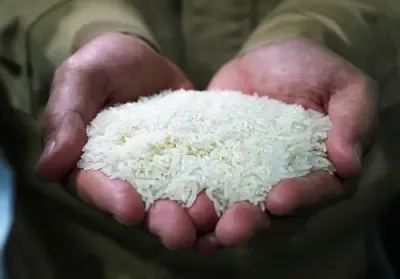
Ponni rice has climbed from ₹65 to ₹78 per kg, while Mannachanallur Ponni now retails at ₹68 per kg, up from ₹60. A premium Ponni variety has surged from ₹65 to ₹82 per kg. IR-20 rice, previously priced at ₹50 per kg, is now selling at ₹60. Most strikingly, raw rice — a budget staple — has jumped from ₹45 to ₹68 per kg in some retail outlets, a rise of more than 50%.
What Is Driving the Shortage
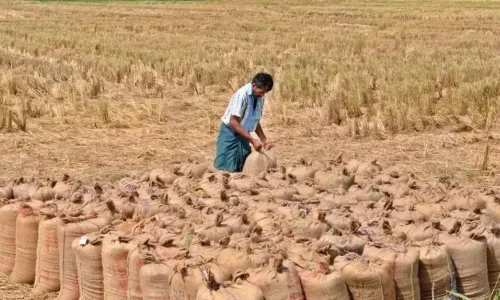
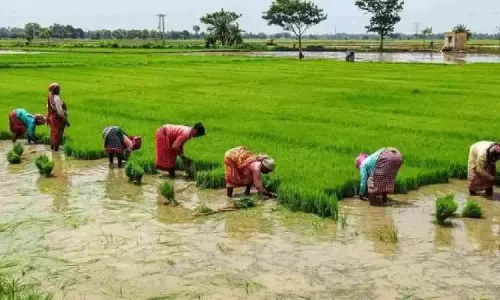
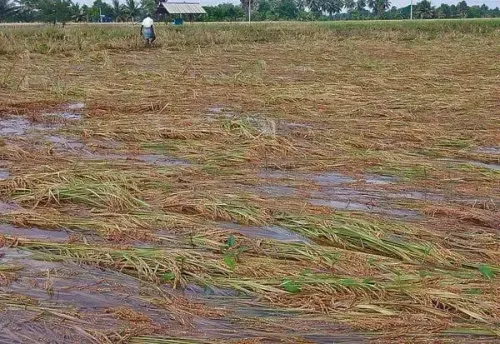
The primary cause is a combination of poor rainfall and inadequate irrigation water in the Cauvery Delta, which has hurt paddy cultivation in Tamil Nadu's key growing belt. At the same time, harvests in neighbouring Andhra Pradesh, Telangana, and Karnataka have also declined, reducing the volume of paddy reaching Tamil Nadu's rice mills.
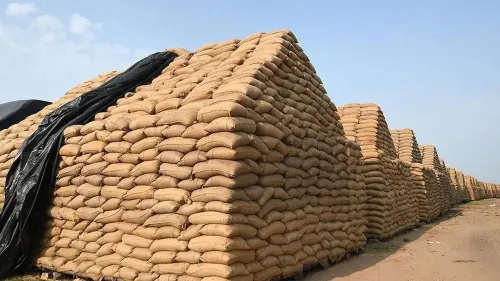
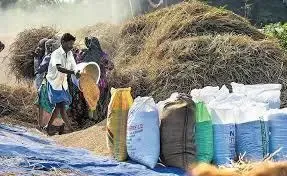
Mill owners are reportedly paying around ₹44 per kg for paddy sourced from other states, compared with ₹32 per kg in the previous season — a cost increase that is flowing through to wholesale and retail prices. Fine Ponni rice is currently trading at approximately ₹75 per kg in the wholesale market. Traders attribute part of the squeeze to a poor April harvest, which reduced available stocks entering the current season.
Why Ponni Is Especially Vulnerable
The impact is particularly acute for Ponni rice because it is the preferred staple for a large section of Tamil Nadu's population, yet the state produces relatively little of the fine variety it consumes. This structural import-dependence leaves local prices highly exposed to harvest shortfalls in neighbouring states — a vulnerability that has been underscored by the current supply disruption.
Outlook: Traders and Mill Owners Diverge
Traders remain concerned that a weak kuruvai crop — the short-duration paddy season — could prolong price pressure into the coming weeks. Mill owners, however, are more optimistic, expecting paddy arrivals to improve in the near term and prices to stabilise if supplies recover. This divergence in outlook reflects broader uncertainty over how quickly fresh stocks will reach the market.
The episode has renewed calls among agricultural stakeholders to expand local cultivation of fine paddy varieties to reduce Tamil Nadu's dependence on inter-state supplies. In the immediate term, whether retail prices ease will depend on the scale and speed of fresh paddy arrivals reaching the state's mills.
Point of View
Outsourcing that dependency to Andhra Pradesh, Telangana, and Karnataka. When all three states post poor harvests simultaneously, Tamil Nadu has no buffer. The kuruvai crop offers little relief this season either. What is missing from official response is any emergency procurement or buffer-stock release — the tools that exist precisely for moments like this. Without them, the burden falls entirely on household budgets, hitting lower-income consumers who spend a disproportionate share of income on rice.
NationPress
27 Sept 2026
Frequently Asked Questions
Why have rice prices risen sharply in Tamil Nadu?
Rice prices in Tamil Nadu have risen sharply because of a fall in local paddy output due to poor rainfall in the Cauvery Delta, combined with declining supplies from neighbouring states including Andhra Pradesh, Telangana, and Karnataka, which have also recorded weaker harvests. Traders have revised prices three times in 50 days as the supply squeeze has deepened.
By how much have rice prices increased in Tamil Nadu?
Ponni rice has risen from ₹65 to ₹78 per kg, a premium Ponni variety has climbed from ₹65 to ₹82 per kg, and raw rice has jumped from ₹45 to ₹68 per kg in some outlets — a rise of over 50% in roughly one month. IR-20 rice has also risen from ₹50 to ₹60 per kg.
What is the kuruvai crop and why does it matter here?
Kuruvai is a short-duration paddy crop grown in Tamil Nadu, particularly in the Cauvery Delta region, during the early monsoon season. Traders are concerned that a weak kuruvai harvest this year will further reduce local paddy availability, prolonging pressure on retail rice prices if inter-state supplies do not recover sufficiently.
Will rice prices in Tamil Nadu come down soon?
Opinions are divided. Mill owners expect paddy arrivals from other states to improve in the coming months, which could stabilise prices. However, traders are more cautious, warning that continued supply shortfalls — particularly from a poor kuruvai crop — could keep prices elevated. The outlook depends heavily on how quickly fresh paddy stocks reach Tamil Nadu's mills.
Why is Ponni rice particularly affected by this shortage?
Ponni rice is the preferred staple for many Tamil Nadu consumers, but the state produces relatively little of the fine variety it needs, making it heavily dependent on supplies from other states. This structural import-dependence means that when harvests in Andhra Pradesh, Telangana, and Karnataka decline, Tamil Nadu's Ponni prices are hit harder and faster than other varieties.