Palm jaggery prices soar in southern Tamil Nadu as El Niño cuts palmyra output
Synopsis
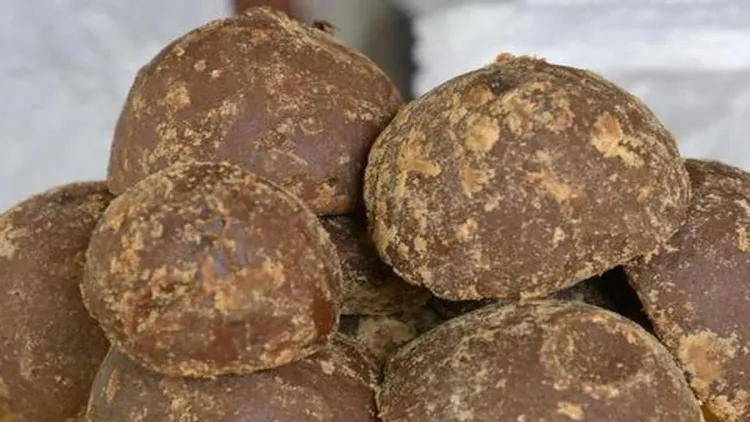
El Niño has done more than disrupt the monsoon — it has pushed a centuries-old palmyra industry in southern Tamil Nadu to the edge. With karupatti prices jumping to ₹400/kg in Ramanathapuram and Udangudi palm candy hitting ₹800/kg, thousands of workers and traders are caught between a weather crisis and a market squeeze that could worsen before the next harvest.
Key Takeaways
El Niño-linked rainfall deficit has sharply reduced palmyra sap (padaneer) output across Ramanathapuram , Thoothukudi , Tirunelveli , and Tenkasi districts.
Palm jaggery prices in Sayalgudi have risen from around ₹350/kg last month to up to ₹400/kg currently.
Premium Udangudi karupatti is selling at ₹500–₹600/kg ; palm candy has reached ₹800/kg .
The padaneer season, which runs from January to February , is nearing its end — tightening supplies further.
Thousands of palmyra workers in villages including Sayalgudi , Narippaiyur , and Mariyur depend on the trade for their livelihoods.
Traders warn prices could climb further during the monsoon and winter months when demand traditionally rises.
El Niño-driven rainfall deficits have dealt a sharp blow to the traditional palmyra industry in southern Tamil Nadu, pushing palm jaggery (karupatti) prices to their highest levels in recent memory this season. The shortfall has hit thousands of workers and traders across Ramanathapuram, Thoothukudi, Tirunelveli, and Tenkasi districts, while consumers grapple with steeply rising costs.
How the Shortage Unfolded
The padaneer (palmyra sap) collection season typically runs from January to February, when workers tap palmyra trees and boil the sap to produce karupatti. This year, however, inadequate rainfall during the previous monsoon and the subsequent summer months left palmyra trees moisture-starved, sharply reducing the volume of sap available for processing.
Workers in villages including Sayalgudi, Narippaiyur, Mariyur, Kannirajapuram, Melachelvanur, and Malattar — all in Ramanathapuram district — reported that production had fallen well below normal levels. With the current production season nearing its close, supplies are expected to tighten further in the months ahead.
Price Surge Across Varieties
In Sayalgudi, palm jaggery that was selling at around ₹350 per kg last month has since climbed to as high as ₹400 per kg. Traders warn prices could rise further once the season ends, particularly during the monsoon and winter months when consumer demand traditionally picks up.
The premium Udangudi karupatti from Thoothukudi district — smaller in size but widely regarded for its distinct flavour — commands even steeper rates. According to a local trader, old-stock Udangudi palm jaggery is currently fetching around ₹600 per kg, while freshly produced stock is priced at approximately ₹500 per kg. Palm candy (panangalkandu) is being sold at around ₹800 per kg, and sillukarupatti at roughly ₹600 per kg.
A Community Under Pressure
The palmyra-based industry is a cornerstone livelihood for thousands of families across southern Tamil Nadu. Ramanathapuram, which hosts one of the state's largest concentrations of palmyra trees, is a primary production hub. The district's karupatti is typically larger in size, while Udangudi's variety carries a premium reputation that draws buyers from across the region.
This year's crisis is notable because it compounds pre-existing structural challenges — the palmyra workforce has been ageing, with younger generations increasingly moving to urban employment. A weather-induced production shock therefore lands on an already fragile ecosystem.
What Comes Next
Traders anticipate that prices will remain elevated through the monsoon and winter seasons, when demand for palm jaggery and allied products traditionally rises. Unless the upcoming northeast monsoon delivers above-normal rainfall to replenish soil moisture around palmyra groves, the next padaneer season could also face reduced yields. Both workers and traders say government support — whether through procurement assistance or input subsidies — has not been forthcoming so far.
Point of View
No formal procurement mechanism, and zero price-stabilisation buffer. El Niño has simply exposed what was always there. The more troubling signal is forward-looking: if the northeast monsoon also underperforms, the next padaneer season starts from an even lower moisture baseline. State and central agencies have so far been absent from the conversation, and that silence will cost consumers — and workers — more than just a higher price per kilogram.
NationPress
25 Sept 2026
Frequently Asked Questions
Why has palm jaggery become so expensive in Tamil Nadu this year?
Palm jaggery prices have surged because El Niño-driven rainfall deficits left palmyra trees moisture-starved, sharply reducing the volume of sap available for karupatti production. With the current season nearing its end, supplies are expected to tighten further, keeping prices elevated.
What are the current palm jaggery prices in Ramanathapuram and Thoothukudi?
In Sayalgudi, Ramanathapuram, palm jaggery is currently selling at up to ₹400 per kg, up from around ₹350 per kg last month. The premium Udangudi variety from Thoothukudi is fetching ₹500–₹600 per kg, while palm candy has reached ₹800 per kg and sillukarupatti around ₹600 per kg.
Which districts in Tamil Nadu are most affected by the palmyra production shortfall?
The four worst-affected districts are Ramanathapuram, Thoothukudi, Tirunelveli, and Tenkasi, all in southern Tamil Nadu. Ramanathapuram, which has one of the state's largest concentrations of palmyra trees, is the primary production hub.
What is Udangudi karupatti and why does it command a higher price?
Udangudi karupatti is a variety of palm jaggery produced in Thoothukudi district, known for its distinct flavour and smaller size. It has a longstanding premium reputation among consumers and traders, and this year's supply crunch has pushed its price to ₹500–₹600 per kg.
Will palm jaggery prices come down soon?
Traders do not expect prices to ease in the near term. With the padaneer production season ending, supplies will tighten further, and demand traditionally rises during the monsoon and winter months. A recovery would depend on adequate rainfall during the upcoming northeast monsoon season to restore soil moisture around palmyra groves.