Goyal: Tamil Nadu Palmyra Jaggery Makes First Export to Bulgaria
Synopsis
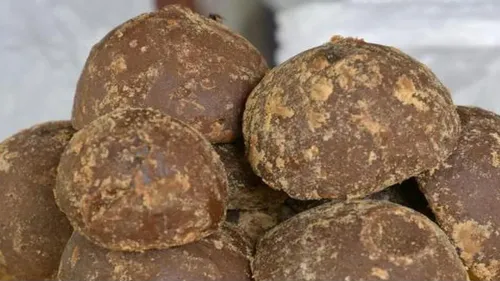
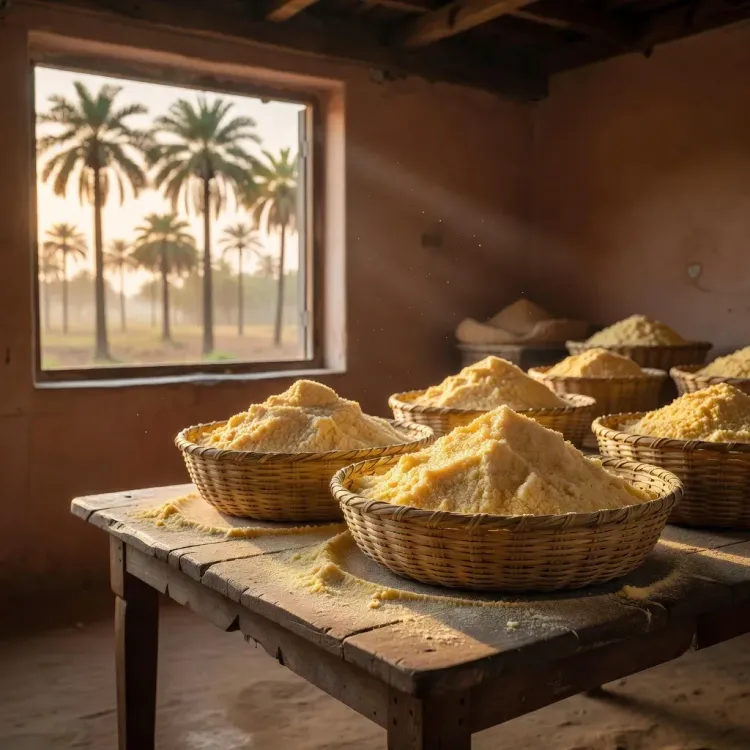
Tamil Nadu's NPOP-certified Palmyra Jaggery Powder from Erode has made its first export to Bulgaria in a 1.75 MT APEDA-facilitated consignment, delivering up to 22% higher price realisation for local palm cultivators and marking a fresh frontier for India's organic agricultural exports.
Key Takeaways
Tamil Nadu's Palmyra Jaggery Powder has made its maiden export voyage to Bulgaria , marking a new European market for this traditional product.
The consignment weighs 1.75 metric tonnes and was sourced from Erode district in western Tamil Nadu.
The export was facilitated by APEDA under India's NPOP (National Programme for Organic Production) organic certification framework.
Farmers are receiving up to 22% higher price realisation compared to conventional domestic sales channels.
NPOP's EU equivalence arrangement allows certified Indian organic products to enter European markets without additional re-certification.
The shipment aligns with India's Agricultural Export Policy of 2018 , which prioritised organic and value-added palm products for market diversification.
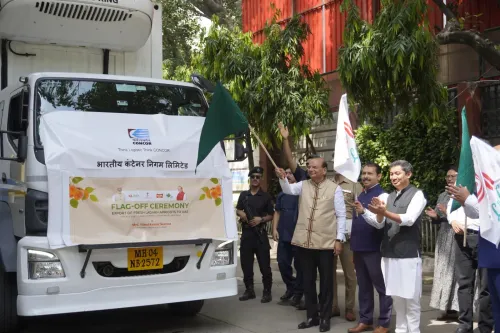
A centuries-old Tamil harvest tradition just crossed the Mediterranean. Union Commerce and Industry Minister Piyush Goyal announced on Friday, October 16, 2026, that Tamil Nadu's NPOP-certified organic Palmyra Jaggery Powder has completed its maiden export journey to Bulgaria — a milestone that connects palm cultivators in Erode directly to European buyers for the first time.
The 1.75 MT Consignment That Opened a New Market
The shipment — 1.75 metric tonnes facilitated by the Agricultural and Processed Food Products Export Development Authority (APEDA) — is small in volume but significant in signal. Goyal noted that local farmers are securing up to 22% higher price realisation compared to conventional domestic sales, a direct consequence of the organic certification premium and the buyer-linkage model APEDA deployed to crack the Bulgarian market.
Erode district in western Tamil Nadu has long been a quiet hub of traditional palmyra jaggery production, with cultivators working palms that have defined the region's agrarian identity for generations. What changed is the paperwork — and the ambition.
How NPOP Certification Unlocks European Shelves
India's National Programme for Organic Production (NPOP), launched in 2000, operates an equivalence arrangement with the European Union — meaning NPOP-certified products can enter EU markets without requiring additional re-certification. That regulatory bridge is precisely what made a direct Erode-to-Bulgaria shipment commercially viable.
APEDA, established by an Act of Parliament in 1985, has spent decades building this infrastructure. Its role here was to identify the Bulgarian buyer, facilitate the NPOP certification process, and ensure the consignment met EU import standards — effectively acting as the institutional spine between a Tamil Nadu farmer and a European grocery shelf.
From Raw Commodity to Value-Added Export
India's Agricultural Export Policy of 2018 explicitly earmarked organic products and value-added palm derivatives as priority segments for market diversification. Palmyra Jaggery Powder fits squarely in that frame — it is a processed, shelf-stable, high-margin product that transforms a perishable palm harvest into an exportable commodity with global appeal, particularly in Europe's expanding natural-sweetener segment.
The broader pattern here is deliberate: India has been steadily routing certified organic exports toward non-traditional European destinations, moving beyond legacy markets to test newer ones like Bulgaria. Eastern Europe, with rising consumer interest in natural and traditionally produced foods, represents exactly the kind of frontier APEDA's buyer-seller meet strategy is designed to open.
For Erode's palm cultivators, the math is straightforward — certification costs are offset by a premium that puts 22% more income per unit in their hands. If follow-up volumes materialise, this maiden consignment may well become a template for other traditional crop clusters across Tamil Nadu.
Point of View
Erode's experience becomes a replicable playbook for other underserved agri-clusters. For the Commerce Ministry, announcing this via social media also signals a deliberate effort to make granular export wins visible, framing trade policy as farmer welfare rather than boardroom diplomacy. The 22% price premium figure, if it holds at scale, is politically potent — it gives the government a concrete number to anchor rural outreach in organic-export districts.
NationPress
16 Oct 2026
Frequently Asked Questions
What is Palmyra Jaggery Powder and why is it significant?
Palmyra Jaggery Powder is a traditional sweetener made from the sap of the palmyra palm, a tree cultivated for centuries in Tamil Nadu. It is significant because it is a value-added, shelf-stable organic product that commands premium pricing in international health and natural-food markets.
What is NPOP certification and does it work in Europe?
NPOP stands for National Programme for Organic Production, India's official organic certification framework launched in 2000. It holds an equivalence arrangement with the European Union, meaning NPOP-certified products can enter EU member states — including Bulgaria — without requiring separate re-certification.
What is APEDA's role in this export?
APEDA, the Agricultural and Processed Food Products Export Development Authority, facilitated the consignment by identifying the Bulgarian buyer, supporting the NPOP certification process, and ensuring the shipment met EU import standards. It has been India's nodal body for agricultural export promotion since 1985.
How much more money will Erode farmers earn from this export?
According to Minister Piyush Goyal's post, Erode's palm cultivators are set to receive up to 22% higher price realisation compared to conventional domestic sales, a premium driven by the organic certification and direct international buyer linkage.
Why was Bulgaria chosen as the export destination?
Bulgaria is an EU member state, which means India's NPOP certification equivalence with the EU applies directly. Eastern Europe's growing consumer interest in natural and traditionally produced foods makes it an emerging frontier for Indian organic exports beyond legacy Western European markets.