White House Touts Trillion-Dollar Investment Wave on Friday

Synopsis
The White House paired a lo-fi music broadcast with claims of trillions in inbound investments on 16 October 2026, using social media to amplify its 'Golden Age' economic narrative — while specific project-level data remains pending.
Key Takeaways
The White House posted a lo-fi audio broadcast on 16 October 2026 framing large capital inflows as central to America's Golden Age .
The post references 'trillions pouring into America' but provides no itemised breakdown or official data release alongside it.
The broadcast was hosted on X , targeting a social-media-native audience rather than traditional press channels.
The 'Golden Age' branding has become a recurring rhetorical anchor in White House economic communications.
Analysts will watch for follow-up documentation — factsheets, Treasury data, or named project announcements — to verify the figures cited.
For India, sustained US capital inflows can affect FDI competition and rupee-dollar dynamics in technology and manufacturing sectors.
The White House leaned into an unusually breezy Friday-afternoon energy on 16 October 2026, pairing lo-fi music with what it called trillions of dollars pouring into the United States — framing capital inflows as the soundtrack to America's Golden Age.
The 'Golden Age' messaging playbook
The post — 'Lo-fi beats and billion-dollar investments to build America's Golden Age. Sit back, relax and enjoy the soothing sound of trillions pouring into America this Friday' — is a deliberate departure from dense policy language. The executive office chose a livestream broadcast format on X rather than a formal press release, signalling that the primary audience is a younger, social-media-native constituency.
The phrase 'Golden Age' has become a recurring anchor in White House economic messaging, used to bundle together foreign direct investment announcements, domestic manufacturing pledges, and private-capital commitments into a single aspirational arc. The lo-fi aesthetic — calm, unhurried, almost ironic — is meant to project confidence: an economy so flush with inbound capital that Washington can afford to be cool about it.
Trillions in, but the detail still pending
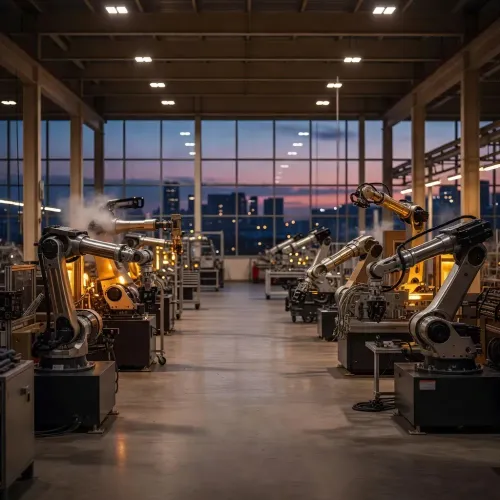
The post links to a live broadcast but provides no itemised breakdown of the investment figures it references. White House communications have periodically highlighted large-scale capital inflows — from semiconductor fabs, AI data centres, and energy infrastructure — but the specific totals tied to this Friday event have not been independently confirmed in accompanying documentation. Analysts and investors will be watching for any follow-up factsheet or Treasury data that anchors the 'trillions' claim to named projects and timelines.
For India-based observers, the signal matters: a sustained inflow of global capital into the United States can redirect FDI pipelines, influence rupee-dollar dynamics, and shape the competitive landscape for Indian technology and manufacturing sectors that also court the same pool of institutional investors.
Why Friday, why lo-fi
The timing is not accidental. Friday-afternoon news cycles are traditionally lighter, giving a well-crafted social post maximum dwell time over the weekend. By anchoring the drop to a live audio broadcast, the White House extends engagement beyond a static announcement. It is a media strategy as much as an economic one — and for now, the soothing beats are doing the heavy lifting until the numbers arrive.
Point of View
Low-friction formats to dominate the weekend news cycle before detailed scrutiny can catch up. The 'Golden Age' framing bundles disparate investment announcements — semiconductors, AI, energy — into a single triumphalist narrative that is difficult to fact-check in real time. For India, the strategic subtext is significant: every dollar committed to a US data centre or fab is a dollar not flowing into Bengaluru or Pune, making the credibility of these 'trillions' claims a live variable for South Asian economic planners.
NationPress
16 Oct 2026
Frequently Asked Questions
What did the White House post about investments on 16 October 2026?
The White House posted a lo-fi music broadcast on X on 16 October 2026, claiming trillions of dollars were flowing into the United States and framing it as part of building 'America's Golden Age.'
What is the White House's 'Golden Age' economic narrative?
'America's Golden Age' is a recurring phrase in White House communications used to bundle foreign direct investment, domestic manufacturing pledges, and private capital commitments into a single aspirational economic story.
How much money is actually being invested in the US according to this post?
The post references 'trillions' in investments but does not provide an itemised breakdown. Specific project-level data and official documentation had not been released alongside the social media post.
Why does US investment news matter for India?
Large capital inflows into the United States can redirect global FDI pipelines, pressure the rupee-dollar exchange rate, and intensify competition for the same pool of institutional investors that Indian technology and manufacturing sectors also court.
Why did the White House use a lo-fi broadcast format for an economic announcement?
The lo-fi audio format on X targets a younger, social-media-native audience and extends engagement over the weekend news cycle, functioning as a media strategy designed to amplify reach before detailed policy scrutiny follows.