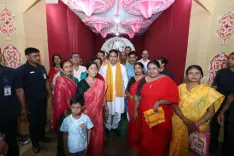
HP CM Office Inaugurates Dharamshala Sewerage Plant
Synopsis
The Chief Minister's Office of Himachal Pradesh inaugurated a ₹982 lakh, 60-KLD sewerage and septage management plant in Dharamshala on 16 October 2026, extending sanitation coverage to approximately 7,500 families across seven previously unserved wards.
Key Takeaways
₹982 lakh spent on a new sewerage and septage management facility in Dharamshala .
Plant capacity: 60 kilolitres per day (KLD) of sewage treatment.
Approximately 7,500 families across seven wards will directly benefit.
The wards covered were previously excluded from Dharamshala's main sewerage network.
Septage management addresses safe collection and treatment of sludge where underground pipes are absent.
Inauguration was announced by the Chief Minister's Office of Himachal Pradesh on 16 October 2026 .
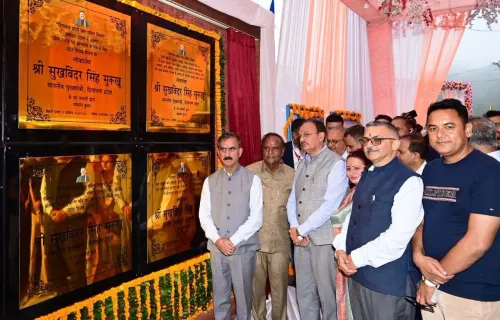
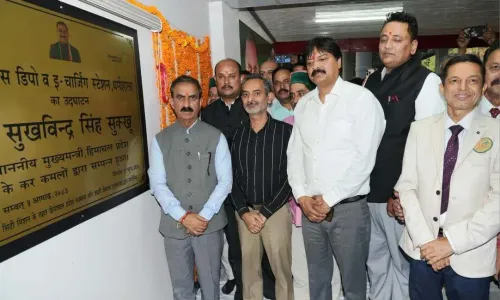
Roughly 7,500 families across seven wards of Dharamshala — long excluded from the town's sewerage network — gained access to modern sanitation infrastructure on Friday, 16 October 2026, as the Chief Minister's Office of Himachal Pradesh announced the inauguration of a state-of-the-art sewerage and septage management facility built at a cost of ₹982 lakh.
The official account posted: 'धर्मशाला में 982 लाख रुपये की लागत से निर्मित अत्याधुनिक सीवरेज एवं सेप्टेज प्रबंधन सुविधा का लोकार्पण किया।' ('A state-of-the-art sewerage and septage management facility constructed at a cost of ₹982 lakh in Dharamshala has been inaugurated.')What the ₹982 Lakh Plant Actually Does
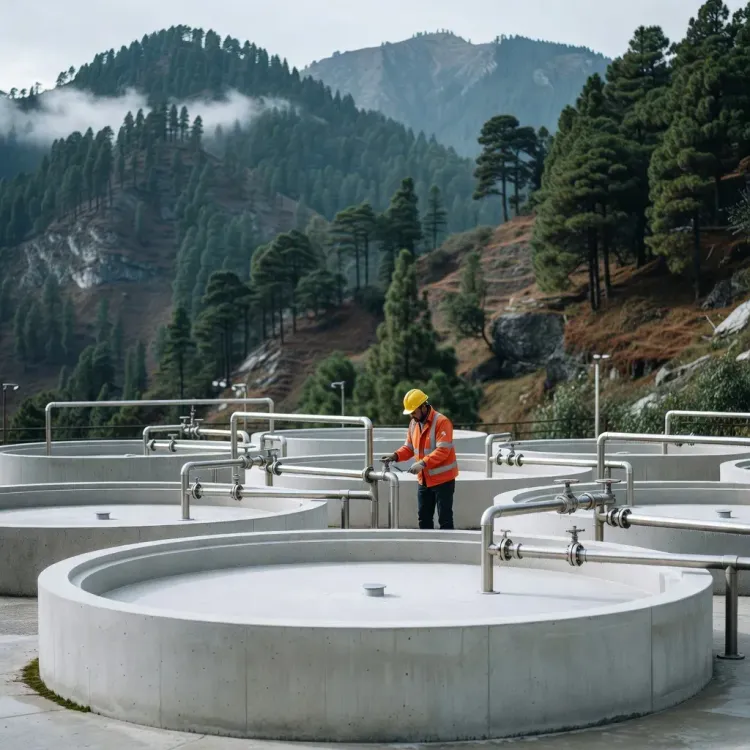
The new plant carries a treatment capacity of 60 kilolitres per day (KLD). That figure matters: septage management — the safe collection, transport, and treatment of sludge from septic tanks and pit latrines — is the missing link in sanitation chains wherever underground sewerage pipes haven't yet reached. Without a dedicated facility, septage is often dumped untreated, contaminating soil and water bodies downstream.
The seven wards it serves represent the pockets of Dharamshala that remained off the main sewer grid. For approximately 7,500 households in those localities, the plant converts a public-health liability into managed, treated outflow — a concrete shift in everyday living conditions.
Dharamshala's Sanitation Gap — Now Narrowed
Dharamshala, seat of the Kangra district administration and home to the Tibetan government-in-exile, draws heavy tourist and pilgrim footfall year-round. The pressure that places on waste and water infrastructure is disproportionate to the town's resident population. A facility of this scale directly addresses the treatment deficit that rapid urbanisation and tourism growth have long exposed.
The inauguration forms part of a broader infrastructure push by the Himachal Pradesh government to extend basic urban services to ward-level pockets that conventional network expansion has historically bypassed. Septage treatment plants — smaller, modular, and faster to commission than full sewerage networks — have emerged as a practical bridge technology for hill towns where terrain makes pipe-laying expensive and slow.
Seven Wards, One Shared Upgrade
The precise coverage of seven wards signals targeted planning rather than a blanket rollout. Each ward without sewer connectivity generates septage that previously had no sanctioned treatment endpoint. The 60 KLD daily capacity is calibrated against that combined load, ensuring the plant is neither underbuilt nor an oversized white elephant. For residents, the immediate gain is hygienic septage disposal; the longer-term gain is reduced groundwater contamination risk in a town that draws drinking water from mountain springs.
Point of View
Where footfall amplifies waste loads beyond resident-population estimates, the ₹982 lakh investment carries both public-health and ecological significance. It also signals that the Himachal Pradesh government is leaning on modular, ward-targeted infrastructure as a faster route to coverage than citywide pipeline projects. The seven-ward framing suggests a data-driven identification of the most vulnerable pockets — a planning discipline that, if sustained, could meaningfully close the state's urban sanitation deficit.
NationPress
16 Oct 2026
Frequently Asked Questions
What is the new sewerage plant inaugurated in Dharamshala?
A state-of-the-art sewerage and septage management facility with a capacity of 60 KLD, built at a cost of ₹982 lakh, has been inaugurated in Dharamshala by the Himachal Pradesh government to serve seven wards previously excluded from the town's sewer network.
How many families will benefit from the Dharamshala sewage plant?
Approximately 7,500 families across seven wards of Dharamshala that lacked sewerage network connectivity will benefit from the new facility.
What is septage management and why does it matter?
Septage management involves the safe collection, transport, and treatment of waste sludge from septic tanks and pit latrines in areas without underground sewer pipes. Without it, untreated septage is often dumped, risking soil and groundwater contamination.
What is the capacity of the Dharamshala sewage treatment plant?
The plant has a treatment capacity of 60 kilolitres per day (KLD), sized to handle the combined sewage load from the seven wards it serves.
Which district is Dharamshala in and why is sanitation critical there?
Dharamshala is in Kangra district of Himachal Pradesh. As a major tourist and administrative hub with year-round footfall, the pressure on its sanitation infrastructure significantly exceeds that of its resident population alone, making the new facility especially important.