HP CM Office: 345 dialysis sessions in 2 months at AIMSS Chamiyana
Synopsis
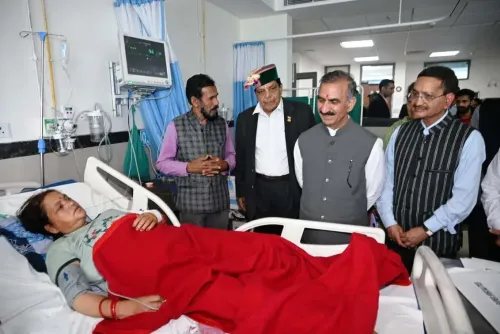
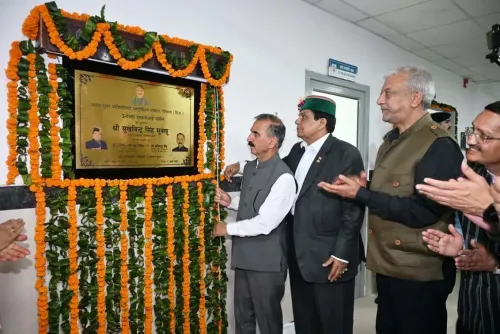
The Chief Minister's Office of Himachal Pradesh reports that AIMSS Chamiyana's dialysis unit — operational for just two months — has completed 345 successful sessions using 12 advanced machines, while also reducing the patient burden on IGMC Shimla.
Key Takeaways
345 patients have received successful dialysis at AIMSS Chamiyana within the unit's first two months of operation.
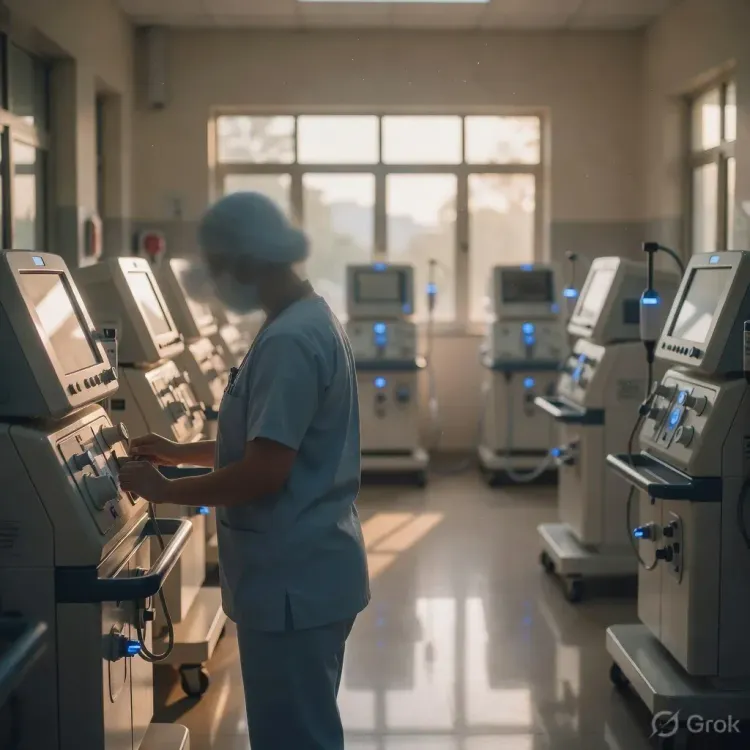
The facility operates 12 state-of-the-art dialysis machines , providing modern, quality treatment.
The unit has directly reduced the concentration of kidney patients at IGMC Shimla , the state's primary tertiary hospital.
The initiative aligns with the Pradhan Mantri National Dialysis Programme (2016) , which aims to decentralise renal care to district-level facilities.
Himachal Pradesh's broader strategy targets decongestion of IGMC by strengthening secondary health centres across the state.
Two months. 345 kidney patients treated. That is the early scorecard from the dialysis unit at AIMSS Chamiyana — and it signals something bigger than a single facility milestone. The Chief Minister's Office of Himachal Pradesh announced on Monday, August 10, 2026 that the newly launched dialysis centre has already delivered measurable relief across the state's strained renal-care network.
345 patients, 12 machines, 2 months
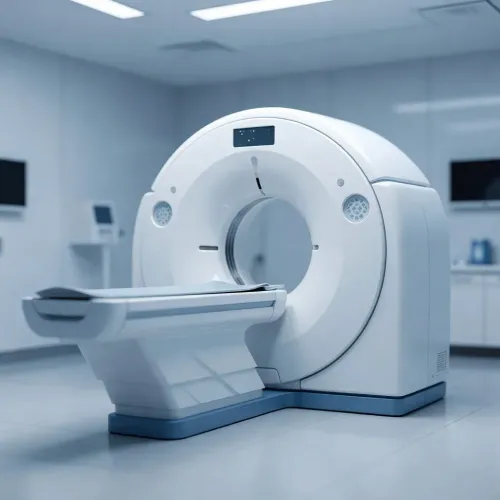
The post states that 'AIMSS Chamiyana mein dialysis ki suvidha shuru hone ke mahaz 2 mahinon mein kareeb 345 mareezon ki safal dialysis ki ja chuki hai' — roughly, 'within just two months of dialysis services starting at AIMSS Chamiyana, nearly 345 patients have been successfully dialysed.' The unit runs on 12 state-of-the-art machines, offering what the CMO describes as 'modern and quality treatment' to patients who previously had limited options close to home.
IGMC Shimla's overcrowding problem — and a direct fix
Indira Gandhi Medical College and Hospital (IGMC), Shimla has long been Himachal Pradesh's sole major tertiary referral centre, absorbing patients from every district for specialised care including kidney disease. The pressure on its nephrology services has been a persistent bottleneck. The CMO explicitly credits the Chamiyana unit with reducing that patient load at IGMC — a concrete, measurable outcome rather than a policy aspiration.
This is the logic of decentralisation in action: push specialised services closer to where patients live, cut travel costs, and free up the apex hospital for the most complex cases.
Where this fits in Himachal's health strategy
The move aligns with the Pradhan Mantri National Dialysis Programme, launched in 2016, which directed states to establish dialysis units at district hospitals to reduce out-of-pocket expenditure for chronic kidney disease patients. Himachal Pradesh has been pursuing this decentralisation model — strengthening secondary centres so that IGMC does not remain the only viable destination for non-communicable disease care. The pattern mirrors the broader thrust of the National Health Mission to build district-level capacity for diseases like chronic kidney disease that require repeated, long-term treatment cycles.
For kidney patients in Himachal Pradesh, dialysis is not a one-time visit — it is a lifelong, thrice-weekly commitment. Every kilometre saved, every rupee not spent on a bus to Shimla, is a real gain in quality of life and treatment adherence.
The question now is whether the Chamiyana model gets replicated fast enough across the state's remaining districts — and whether the health budget follows the ambition.
Point of View
Utilisation climbs fast and apex-hospital pressure drops measurably. For Himachal Pradesh, which has historically funnelled virtually all complex care through a single Shimla hospital, this represents a meaningful structural shift in health delivery. The political calculus is equally clear — dialysis is a visible, recurring service with a loyal and vocal patient base, making it an effective proof-of-concept for the state's NHM commitments. The real test will be whether equipment maintenance funding and trained staff keep pace with the expansion ambitions.
NationPress
25 Sept 2026
Frequently Asked Questions
What is AIMSS Chamiyana and where is it located?
AIMSS Chamiyana is a medical facility in Chamiyana, Himachal Pradesh, that provides advanced diagnostics and treatment services including the newly launched dialysis unit.
How many patients have received dialysis at AIMSS Chamiyana?
According to the Chief Minister's Office of Himachal Pradesh, nearly 345 patients have been successfully dialysed at the facility within its first two months of operation.
How many dialysis machines does AIMSS Chamiyana have?
The unit is equipped with 12 state-of-the-art dialysis machines to provide modern and quality treatment to patients.
How does the Chamiyana dialysis centre help IGMC Shimla?
By offering dialysis services closer to patients' homes, AIMSS Chamiyana has reduced the number of kidney patients travelling to and crowding IGMC Shimla , the state's main tertiary hospital.
What is the Pradhan Mantri National Dialysis Programme?
Launched in 2016 , the Pradhan Mantri National Dialysis Programme directs states to set up dialysis units at district hospitals to reduce out-of-pocket costs for chronic kidney disease patients — the national framework that underpins facilities like the one at Chamiyana.