HP CM Office: AIIMS-level machines for state medical colleges
Synopsis
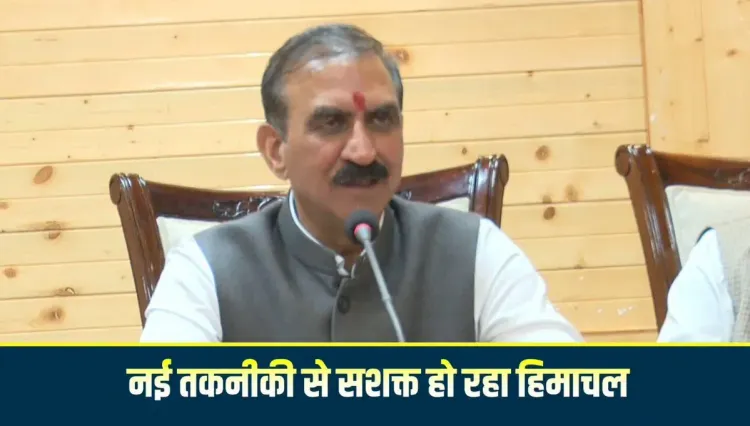
The Chief Minister's Office of Himachal Pradesh announced on 19 June 2026 that state medical colleges are being equipped with AIIMS Delhi-level diagnostic machines, with a six-month deadline set for visible improvements in health services across the state.
Key Takeaways
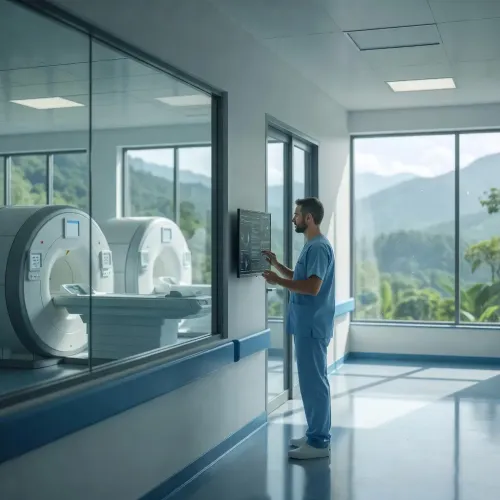
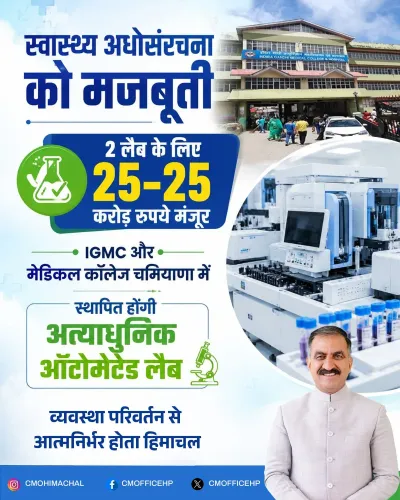
The Chief Minister's Office of Himachal Pradesh announced on 19 June 2026 that state medical colleges are receiving advanced diagnostic machines comparable to those at AIIMS Delhi .
The government has set a six-month window for visible improvements in health services across the state.
The move aligns with the Pradhan Mantri Swasthya Suraksha Yojana (PMSSY) , a central scheme that funds equipment upgrades at government medical colleges.
Indira Gandhi Medical College, Shimla is among the key state institutions expected to benefit from the upgrades.
Patients currently travelling to Delhi or Chandigarh for advanced diagnostics stand to benefit most from the initiative.
The six-month timeline will serve as a concrete accountability benchmark for the state government's health infrastructure commitment.
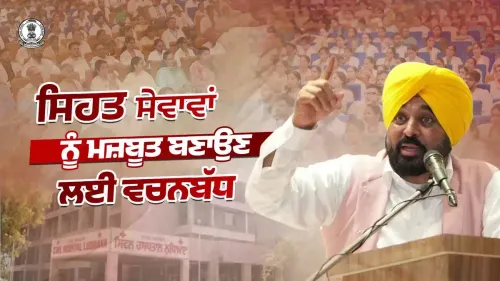
The Chief Minister's Office of Himachal Pradesh announced on Friday, 19 June 2026 that the state is equipping its government medical colleges with advanced diagnostic machines comparable to those at AIIMS Delhi, and pledged visible improvements in health services within the next six months.
Context
The post, shared in Hindi, states: 'Aaj takneek kaafi unnat ho chuki hai aur hum pradesh ke medical colleges mein Delhi AIIMS jaisi atyaadhoonik jaanch machines uplabdh karva rahe hain' — 'Today technology has advanced considerably and we are making available state-of-the-art diagnostic machines like those at Delhi AIIMS in the state's medical colleges.' The announcement positions Himachal Pradesh as an active participant in the national push to decentralise advanced healthcare away from a handful of elite central institutions.
The Chief Minister's Office added that improvements in health services would be visible 'in the coming six months,' signalling a near-term delivery commitment to the state's residents. Himachal Pradesh's hilly and dispersed geography has historically made access to tertiary-level diagnostics difficult for a large share of its population.
Policy Backdrop
The upgrade of state medical colleges with high-end diagnostic equipment aligns with the Pradhan Mantri Swasthya Suraksha Yojana (PMSSY), a central government scheme launched in 2003 that funds phased infrastructure and equipment upgrades at government medical colleges to bring them closer to AIIMS-level standards. Himachal Pradesh's key state institution, Indira Gandhi Medical College, Shimla, along with other state medical colleges, has received both central and state support under successive health infrastructure programmes.
Across India, states have increasingly procured high-end imaging and diagnostic systems — including MRI, CT, and advanced pathology equipment — to reduce the burden of patient referrals to distant central institutes. This trend directly addresses geographic and economic inequities in healthcare access, a recurring theme in national health policy.
Stakeholders and Impact
The primary beneficiaries are patients in Himachal Pradesh who currently travel to Delhi, Chandigarh, or other major cities for advanced diagnostic procedures that are unavailable locally. Bringing such equipment to state medical colleges would reduce both the financial and physical burden on patients, particularly those from remote hill districts.
Medical faculty and students at state colleges stand to gain as well, with access to modern equipment improving both clinical training and the quality of care that teaching hospitals can deliver. Reduced out-of-pocket referral costs could also ease pressure on the state's health insurance frameworks.
What's Next
The six-month timeline set by the Chief Minister's Office will be a key benchmark. State budget allocations for health equipment procurement and official reports on installation progress at individual medical colleges will indicate whether the commitment translates into operational capacity on the ground.
If the upgrades are delivered on schedule, Himachal Pradesh could serve as a model for other hill states seeking to close the diagnostic infrastructure gap with large urban centres — a goal that remains central to India's broader ambition of achieving equitable, technology-enabled public healthcare.
Point of View
Underserved population. Anchoring the announcement to the AIIMS brand is a deliberate signal: it sets a quality benchmark that is widely understood by voters and medical professionals alike. The six-month promise also shifts the narrative from policy intent to accountability, inviting public scrutiny of actual delivery. Whether the state can match the ambition with procurement speed and installation capacity will define the political and policy value of this announcement.
NationPress
19 Sept 2026
Frequently Asked Questions
What diagnostic machines is Himachal Pradesh installing in its medical colleges?
The Chief Minister's Office of Himachal Pradesh announced that state medical colleges are being equipped with advanced diagnostic machines comparable to those at AIIMS Delhi, though the specific machines have not been officially detailed in the announcement.
When will health services improve in Himachal Pradesh medical colleges?
The Chief Minister's Office has stated that improvements in health services will be visible within the next six months from the date of the announcement on 19 June 2026.
Which Himachal Pradesh medical colleges will get the new equipment?
The announcement refers to medical colleges of Himachal Pradesh broadly, with Indira Gandhi Medical College in Shimla being the state's primary government medical institution. Specific college-wise allocations have not been detailed.
What is the Pradhan Mantri Swasthya Suraksha Yojana and how does it relate to this?
The Pradhan Mantri Swasthya Suraksha Yojana (PMSSY) is a central government scheme launched in 2003 that funds upgrades of state medical colleges to AIIMS-level standards. Himachal Pradesh's equipment drive aligns with the goals of this programme.
Why is AIIMS Delhi used as a benchmark for state hospital equipment in India?
AIIMS Delhi is India's premier public medical institution and is widely regarded as the national standard for diagnostic and tertiary care infrastructure, making it a common reference point when states announce healthcare upgrades.