APEDA ships first 5-MT organic apricot consignment from Ladakh to UAE
Synopsis
In the span of weeks, APEDA has racked up a string of agricultural export firsts — organic apricots from Ladakh, tribal-grown mangoes from Jharkhand, and premium stone fruits from Kashmir — all bound for the UAE. The Jharkhand mango shipment alone delivered 180% higher returns to women-led farmer collectives, signalling a model that could reshape how marginalised Indian farmers access global markets.
Key Takeaways
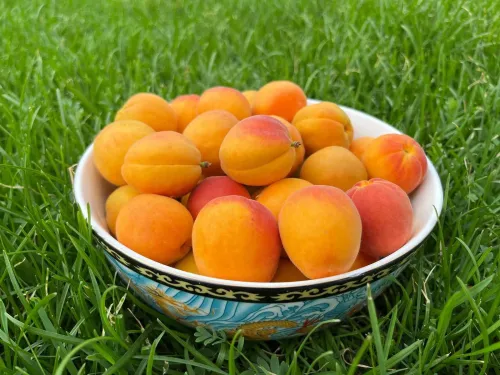
Commerce Minister Piyush Goyal announced the first export of 5 metric tonnes of organic apricots from Ladakh to the UAE , facilitated by APEDA .
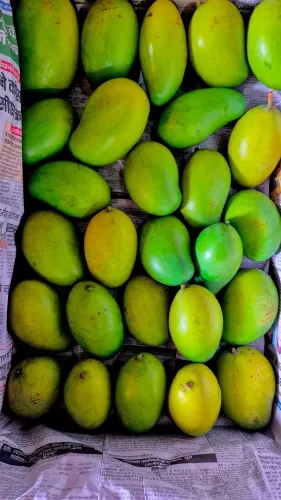
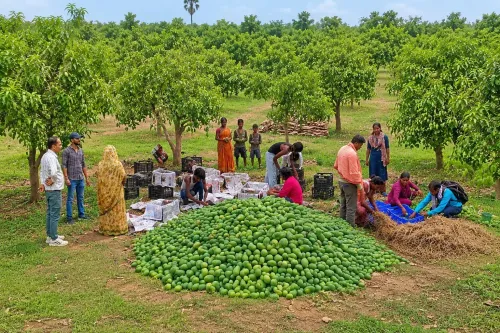
Last week, APEDA exported 2 metric tonnes of Amrapali mangoes from women-led FPCs in Jharkhand's tribal areas to Dubai 's Lulu stores.
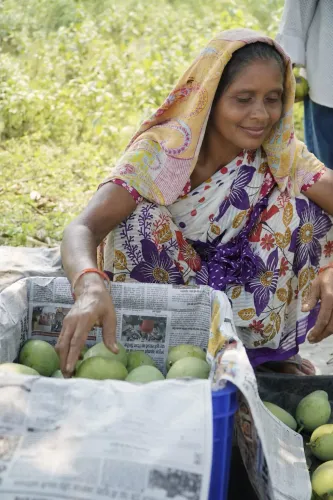
Women farmers in the Jharkhand FPCs earned nearly 180% higher returns than local market prices, according to an official statement.
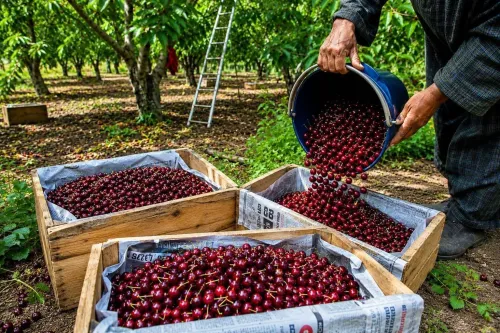
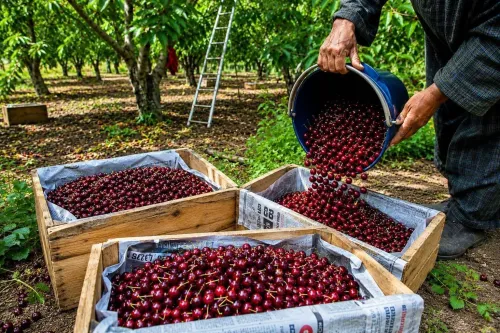
Earlier this month, APEDA Chairman Abhishek Dev flagged off the first export of Areko cherries and Scentrose plums from Shopian and Pulwama in Jammu and Kashmir to Abu Dhabi and Dubai .
The exports reflect a broader push to integrate high-value, geographically distinct Indian produce — including from tribal and women-led collectives — into global value chains.
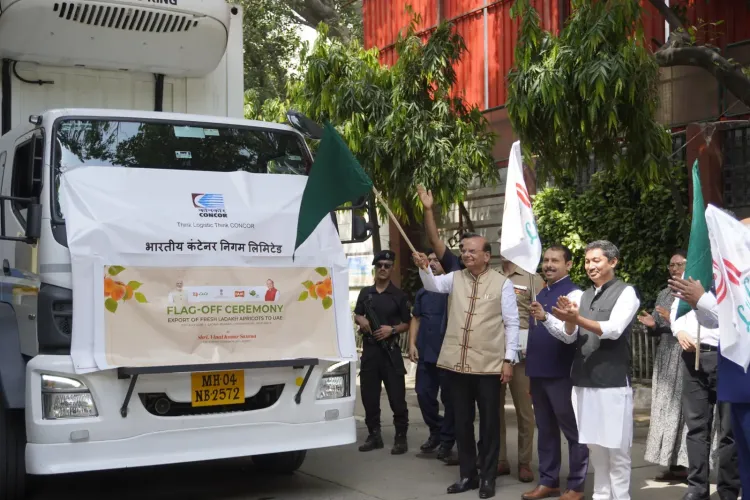
Commerce and Industry Minister Piyush Goyal on Thursday hailed the export of the first shipment of 5 metric tonnes of organic apricots from Ladakh to the United Arab Emirates (UAE), calling it a compelling demonstration of Indian food products earning global recognition. The milestone was facilitated by the Agricultural and Processed Food Products Export Development Authority (APEDA) as part of a broader push to connect Indian farmers with international markets.
Minister's Remarks
Goyal, posting on social media platform X, credited APEDA's sustained efforts over recent months for helping farmers across India secure better prices and access to new export destinations. 'The export of the first shipment of 5 metric tonnes of organic apricots from Ladakh to the UAE is yet another powerful example of this,' he said.
The minister added that the initiative is expected to play a crucial role in elevating the international profile of Indian organic produce, boosting farmers' incomes, and generating sustainable livelihood opportunities in the region.
A String of APEDA-Facilitated Export Milestones
The Ladakh apricot shipment is the latest in a series of high-profile export firsts orchestrated by APEDA in recent weeks. Last week, the authority facilitated the export of 2 metric tonnes of Amrapali mangoes — sourced from women-led farmer producer companies (FPCs) in Jharkhand's tribal belt — to Dubai. The consignment, exported by Fair Exports (India), was distributed across Lulu stores in Dubai.
Notably, the Jharkhand mango export delivered striking economic outcomes: members of the women-led FPCs reportedly realised nearly 180 per cent higher returns than prevailing local market prices, according to an official statement.
Earlier this month, APEDA also facilitated the first export of premium Areko cherries and Scentrose plums from Jammu and Kashmir to the UAE. The inaugural consignment — comprising 1 metric tonne of stone fruits sourced from farmers in Shopian and Pulwama districts — was virtually flagged off by APEDA Chairman Abhishek Dev for Abu Dhabi and Dubai.
Why These Exports Matter
The cluster of export firsts reflects a deliberate strategy to move India's agricultural exports beyond commodity staples and toward high-value, geographically distinct produce — organic fruits from Ladakh, tribal-grown mangoes from Jharkhand, and premium stone fruits from Kashmir. The UAE, with its large South Asian diaspora and premium retail infrastructure, has emerged as a key proving ground for Indian horticultural products.
This comes amid the Centre's wider effort to double agricultural exports and integrate marginalised farming communities — including tribal groups and women-led collectives — into global value chains.
What Comes Next
APEDA's momentum suggests further export corridors for Ladakh and Jammu and Kashmir produce are likely in the pipeline. The success of the women-led FPC model in Jharkhand could serve as a replicable template for other tribal agricultural regions seeking premium market access.
Point of View
All targeting the UAE, all featuring produce from politically and economically sensitive geographies: Ladakh, Kashmir, and Jharkhand's tribal belt. The 180% price premium delivered to Jharkhand's women-led FPCs is the kind of outcome that, if replicable at scale, could fundamentally alter the economics of smallholder farming. The question is whether these are genuinely scalable models or curated showcase moments ahead of a policy cycle. APEDA's track record on sustaining export corridors beyond inaugural consignments will be the real measure.
NationPress
15 Oct 2026
Frequently Asked Questions
What is the significance of the first organic apricot export from Ladakh to the UAE?
It marks the first time organic apricots from Ladakh have been exported to the UAE, with a shipment of 5 metric tonnes facilitated by APEDA. Commerce Minister Piyush Goyal described it as evidence of Indian farm produce gaining international recognition.
What role did APEDA play in these agricultural exports?
APEDA — the Agricultural and Processed Food Products Export Development Authority — facilitated logistics, market linkages, and the flagging off of multiple inaugural export consignments, including the Ladakh apricots, Jharkhand mangoes, and Jammu and Kashmir stone fruits, all bound for the UAE.
How much more did Jharkhand's women farmers earn through the APEDA-facilitated mango export?
Members of the women-led farmer producer companies in Jharkhand's tribal areas reportedly earned nearly 180 per cent higher returns than prevailing local market prices, according to an official statement.
Which other Indian produce has APEDA recently exported to the UAE?
In addition to the Ladakh organic apricots, APEDA facilitated the export of 2 metric tonnes of Amrapali mangoes from Jharkhand to Dubai and 1 metric tonne of Areko cherries and Scentrose plums from Shopian and Pulwama in Jammu and Kashmir to Abu Dhabi and Dubai.
Who flagged off the Jammu and Kashmir stone fruit export to the UAE?
APEDA Chairman Abhishek Dev virtually flagged off the inaugural consignment of premium Areko cherries and Scentrose plums from Jammu and Kashmir, destined for Abu Dhabi and Dubai.