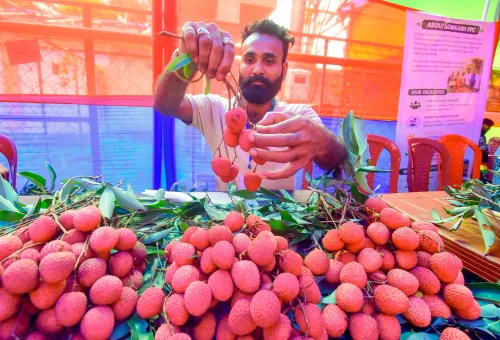
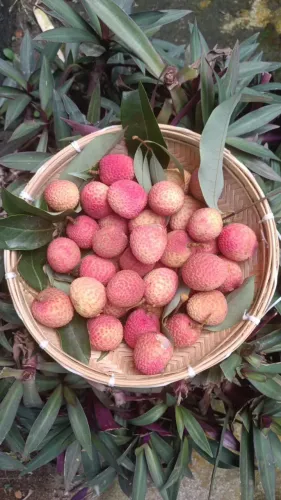
Piyush Goyal: Dehradun Lychee Exported to Italy for First Time
Synopsis
Union Commerce Minister Piyush Goyal announced on 19 June 2026 that Uttarakhand's Dehradun lychee has been exported to Italy for the first time, with APEDA facilitating the consignment as part of India's push to expand agricultural exports and boost farmer incomes.
Key Takeaways
Commerce Minister Piyush Goyal announced the first-ever export of Dehradun lychee from Uttarakhand to Italy on 19 June 2026 .
APEDA (Agricultural and Processed Food Products Export Development Authority) facilitated the historic consignment.
The shipment marks the first documented entry of this regionally distinctive Indian lychee into a European Union member state.
The development aligns with India's Agricultural Export Policy, 2018 , aimed at integrating farmers with global value chains.
Uttarakhand lychee growers could benefit from higher farm-gate prices if the trial consignment converts into regular commercial orders.
A successful EU phytosanitary clearance could ease the path for further shipments to other EU destinations in future seasons.
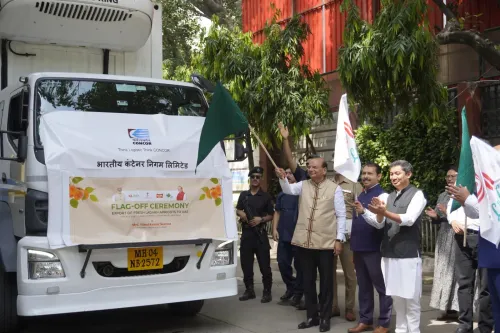
Union Commerce and Industry Minister Piyush Goyal announced on Friday, 19 June 2026 that the famed Dehradun lychee from Uttarakhand has been exported to Italy for the first time, marking a new milestone for Indian horticultural exports into the European Union.
Posting on X, Minister Goyal wrote — 'देवभूमि की लीची, अब इटली की पसंद' ('The lychee of the holy land, now Italy's choice') — and credited the Agricultural and Processed Food Products Export Development Authority (APEDA) for facilitating the historic consignment. He also linked the development to Prime Minister Narendra Modi's broader agenda of giving Indian farm produce global recognition and improving farmer incomes.
Context
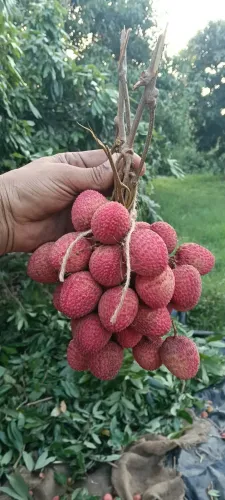
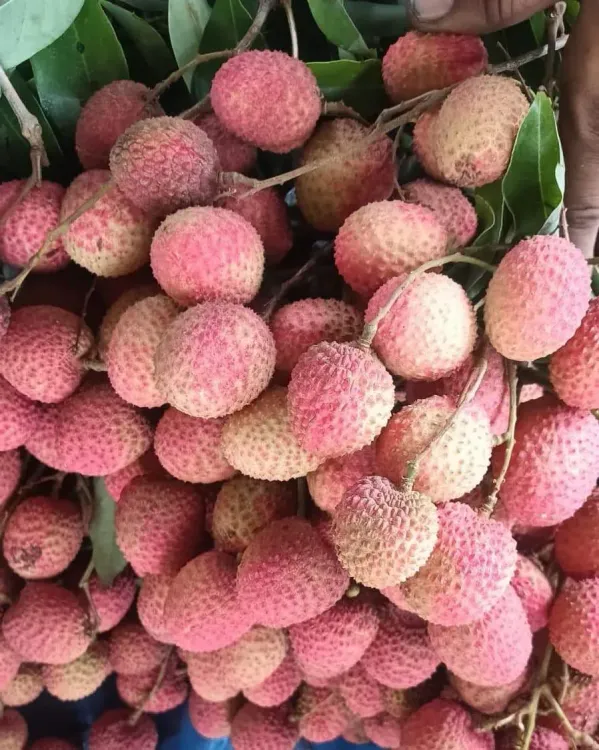
Uttarakhand's Dehradun belt has long been known for producing a distinctive variety of lychee prized for its sweetness and aroma. Until now, exports of this fruit have largely been confined to traditional markets in the Middle East and South Asia. The shipment to Italy represents the first documented trial consignment to a European Union member state, made possible through APEDA's technical and logistical support to meet EU phytosanitary standards.
APEDA, constituted under the Agricultural and Processed Food Products Export Development Authority Act, 1985, provides financial and technical assistance to exporters seeking to access regulated international markets. Clearing EU import protocols — which include pest-risk assessments and residue compliance — is a significant prerequisite for any fresh Indian fruit entering European retail chains.
Policy Backdrop
The export push fits squarely within India's Agricultural Export Policy, 2018, which set out to raise India's share in global agricultural trade and integrate smallholder farmers with international value chains. A key instrument under that policy has been APEDA-assisted trial shipments of GI-tagged and regionally distinctive produce to high-value markets.
Prime Minister Narendra Modi's government has consistently cited doubling farmers' income as a central objective, and expanding the basket of export-ready produce — particularly fresh fruits and vegetables — has been one of the supply-side levers deployed toward that goal. Successive trial consignments of Indian mangoes, grapes and pomegranates to Europe have provided a template that the Dehradun lychee shipment appears to follow.
Stakeholders and Impact
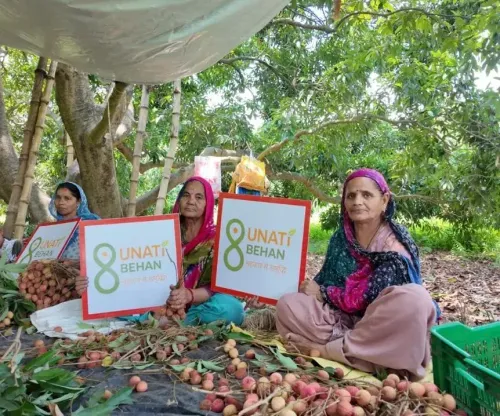
The most immediate beneficiaries are Uttarakhand lychee growers, for whom access to premium European markets could translate into higher farm-gate prices. Italy, as an EU member state, also opens a regulatory gateway: a successful phytosanitary clearance here can ease the path for subsequent shipments to other EU destinations.
Agricultural exporters and cold-chain logistics operators who handle perishable fresh produce stand to benefit from any scale-up. Horticulture officials in Uttarakhand will be watching whether the trial consignment converts into sustained commercial orders and what price premium, if any, growers receive compared with domestic market rates.
What's Next
The key question is whether this initial consignment translates into a regular commercial supply arrangement. Analysts tracking Indian agri-exports will monitor whether additional volumes of Dehradun lychee reach EU retail shelves in subsequent seasons and whether the Uttarakhand horticulture department reports measurable changes in farm-gate prices as a result.
A successful European market entry could also accelerate moves to secure a Geographical Indication (GI) tag for Dehradun lychee at the international level, which would offer legal protection and branding leverage in premium markets. For now, the first shipment to Italy signals that India's strategy of market diversification for fresh horticultural produce is extending deeper into Europe.
Point of View
Framing individual consignments as proof of a broader policy success. The choice of Italy — a sophisticated food market within the EU — is strategically deliberate: EU phytosanitary clearance is difficult to obtain and, once secured, provides a replicable template for other EU destinations. For Minister Goyal, the announcement also reinforces his stewardship of the commerce portfolio at a time when India is actively negotiating a trade agreement with the EU, making agricultural market access a live diplomatic issue. The real test, however, lies in whether this trial shipment scales into a commercially viable and recurring export stream that delivers measurable income gains to Uttarakhand's smallholder lychee farmers.
NationPress
18 Sept 2026
Frequently Asked Questions
What is the Dehradun lychee and why is it significant?
The Dehradun lychee is a variety of lychee grown in the Dehradun region of Uttarakhand, known for its distinctive sweetness and aroma. It is considered one of India's premium horticultural products and is now being positioned for export to high-value international markets, including in Europe.
Which organisation facilitated the export of Dehradun lychee to Italy?
APEDA — the Agricultural and Processed Food Products Export Development Authority — facilitated the export. Established in 1985, APEDA provides financial and technical assistance to help Indian agricultural exporters meet the standards required by regulated international markets such as the EU.
Is this the first time Indian lychee has been exported to Italy?
According to Commerce Minister Piyush Goyal's announcement on 19 June 2026, this is the first time Dehradun lychee from Uttarakhand has been exported to Italy, marking a new milestone for Indian horticultural exports into the European Union.
What is India's Agricultural Export Policy and how does this relate to it?
India's Agricultural Export Policy was launched in 2018 to raise India's share in global agricultural trade and integrate farmers with international value chains. The Dehradun lychee export to Italy is consistent with that policy's goal of diversifying markets for Indian farm produce beyond traditional destinations.
How could this export benefit Uttarakhand farmers?
Access to premium European markets like Italy could allow Uttarakhand lychee growers to command higher farm-gate prices than they receive in domestic or traditional export markets. If the trial consignment converts into regular commercial orders, it could meaningfully improve incomes for growers in the Dehradun region.