Punjab litchi exported to Oman for first time under India-Oman CEPA
Synopsis
Punjab's litchis have reached Oman for the first time, Uttarakhand's Dehradun variety has landed in Italy, and Assam's Tezpur litchi has already shipped to Dubai — three export firsts in a single season. India is quietly building a premium, origin-specific litchi export brand across Gulf and European markets, with APEDA and bilateral trade pacts doing the heavy lifting.
Key Takeaways
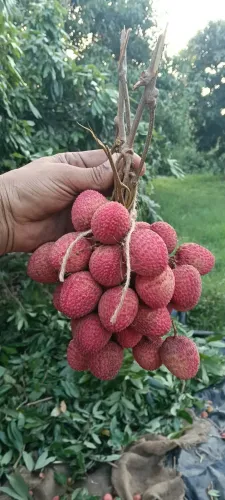
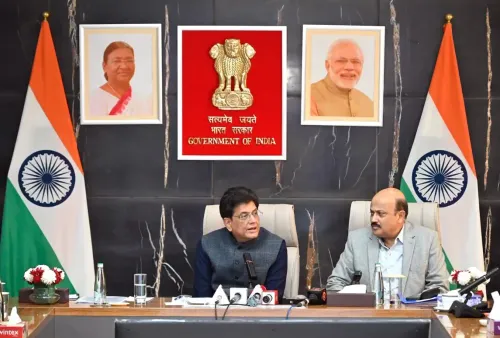
Commerce Minister Piyush Goyal announced on 2 July that Punjab litchis from Ummat Agri Allied Cooperative Society, Hoshiarpur were exported to Oman for the first time.
The shipment leverages the India–Oman CEPA and was facilitated by APEDA .
Uttarakhand's Dehradun litchi was exported to Italy for the first time last month — a first for Indian litchi in European markets.
Assam's Tezpur litchi , which received a GI tag in 2014 , recorded its first export to Dubai earlier this season.
All three export firsts were facilitated by APEDA , reflecting a coordinated Centre-level horticultural export strategy.
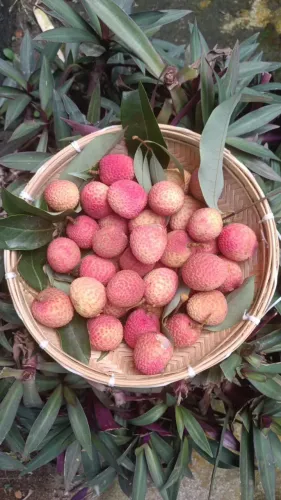
Commerce and Industry Minister Piyush Goyal on Thursday, 2 July announced that fresh litchis from the Ummat Agri Allied Cooperative Society in Hoshiarpur, Punjab, have been exported to Oman for the first time, marking a significant milestone for Indian agricultural exports under the India–Oman Comprehensive Economic Partnership Agreement (CEPA). The shipment, facilitated by the Agricultural and Processed Food Products Export Development Authority (APEDA), underscores India's push to expand its fresh-fruit footprint in Gulf markets.
The Oman Export and Its Significance
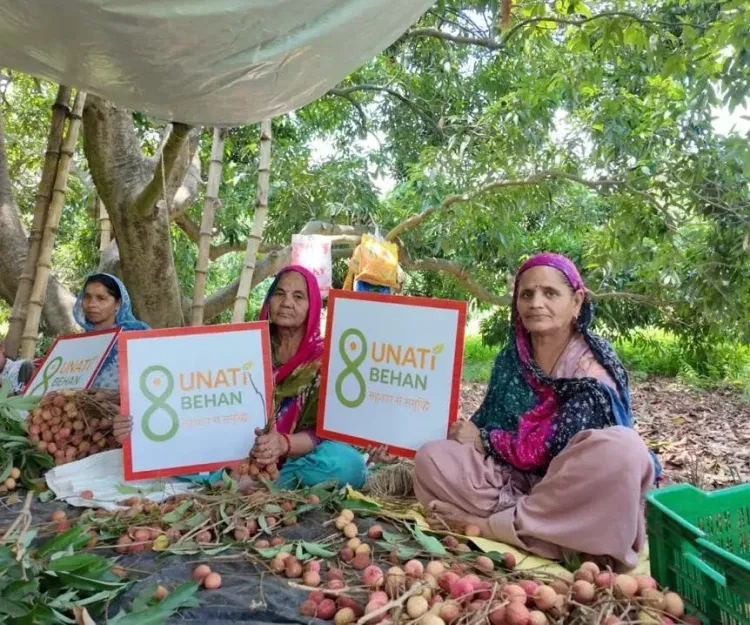
Goyal credited the market access created by the India–Oman CEPA for enabling the breakthrough. In a post on X, the minister described the initiative as 'an important step toward increasing farmers' income, accelerating agricultural exports, and strengthening the global recognition of Indian agricultural products.' The cooperative society in Hoshiarpur is among the first farmer-led entities in Punjab to directly benefit from the bilateral trade pact.
This comes amid a broader government effort to leverage free-trade agreements to open premium export corridors for Indian horticultural produce, with APEDA playing a central coordination role across multiple states and commodities.
A Pattern of Litchi Export Firsts
The Punjab-Oman shipment is the latest in a series of landmark litchi export milestones achieved in recent weeks. Last month, Goyal welcomed the inaugural export of Uttarakhand's famous Dehradun litchi to Italy, calling it a new gateway for Indian agricultural products into European markets. The minister wrote on X: 'Devbhoomi's Litchi, now Italy's favourite. With the support of APEDA, Uttarakhand's famous Dehradun litchi has been exported to Italy for the first time.'
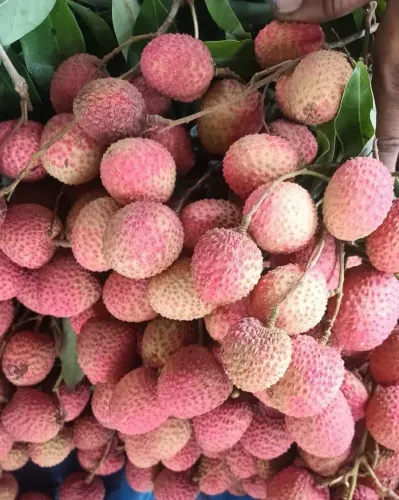
Dehradun litchi is prized for its distinctive sweetness, attractive red colour, delicate aroma, and superior pulp quality. The region produces renowned varieties including Rose Scented, Calcuttia, and Bedana.
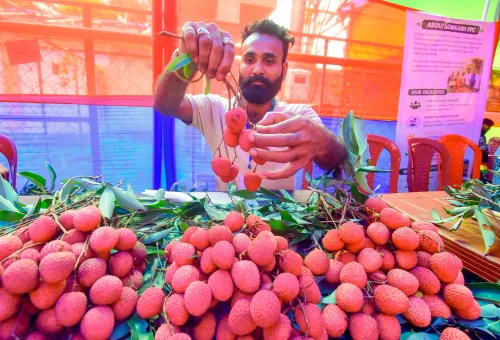
Earlier, Assam's Tezpur litchi — cultivated primarily in the Tezpur region of Sonitpur district — recorded its first export consignment to Dubai, providing a significant boost to fruit growers in the northeastern state. Tezpur litchi received the Geographical Indication (GI) tag in 2014, recognising its unique characteristics tied to the region's agro-climatic conditions.
What APEDA's Role Has Been
Across all three export firsts — Punjab to Oman, Uttarakhand to Italy, and Assam to Dubai — APEDA has served as the primary facilitation body, handling logistics, quality certification, and market linkage. The authority's involvement signals a coordinated Centre-level strategy rather than ad hoc state-level efforts. Notably, each shipment involves produce with distinct regional identity, suggesting a deliberate positioning of Indian litchi as a premium, origin-specific commodity in international markets.
What Comes Next
With three separate litchi-exporting states now accessing three distinct international markets within a single season, the government is expected to use these precedents to push for greater shelf space in Gulf, European, and Southeast Asian retail chains. Industry observers say the real test will be whether these inaugural shipments translate into recurring, volume-driven export orders — something that has historically been a challenge for Indian perishables in competitive global markets.
Point of View
Uttarakhand to Italy, Assam to Dubai — is not coincidence; it is a coordinated messaging strategy ahead of trade negotiations. The real question is whether these inaugural shipments are one-off diplomatic gestures or the start of commercially viable, recurring export corridors. Indian perishables have a long history of splashy first shipments that fail to scale into consistent volume. APEDA's centralised role is a structural positive, but without cold-chain investment and consistent quality grading at origin, premium positioning in Gulf and European retail will remain fragile.
NationPress
1 Oct 2026
Frequently Asked Questions
Which Punjab litchi cooperative exported to Oman for the first time?
The Ummat Agri Allied Cooperative Society in Hoshiarpur, Punjab exported fresh litchis to Oman for the first time. The shipment was facilitated by APEDA under the India–Oman CEPA framework.
What is the India–Oman CEPA and how does it help farmers?
The India–Oman Comprehensive Economic Partnership Agreement (CEPA) is a bilateral trade pact that reduces tariff and non-tariff barriers on goods traded between India and Oman. For farmers, it opens preferential market access for agricultural produce, enabling cooperatives like the one in Hoshiarpur to export at more competitive terms.
Which other Indian litchis have been exported abroad for the first time recently?
Uttarakhand's Dehradun litchi was exported to Italy for the first time last month, while Assam's Tezpur litchi recorded its first export consignment to Dubai earlier this season. All three firsts were facilitated by APEDA.
What is special about Tezpur litchi and when did it get a GI tag?
Tezpur litchi, grown primarily in the Tezpur region of Sonitpur district in Assam, is known for its distinctive sweetness, aroma, and juicy pulp. It received the Geographical Indication (GI) tag in 2014, recognising its unique link to the region's agro-climatic conditions.
What role does APEDA play in these litchi exports?
APEDA — the Agricultural and Processed Food Products Export Development Authority — has coordinated logistics, quality certification, and market linkage for all three litchi export firsts this season. Its involvement signals a centralised, government-led push to position Indian litchi as a premium, origin-specific commodity in international markets.