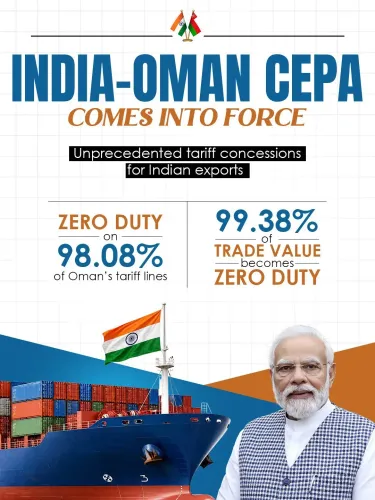
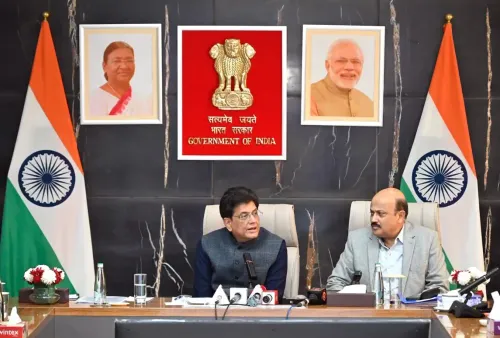
Piyush Goyal: Punjab Litchi Exported to Oman Under India-Oman CEPA
Synopsis
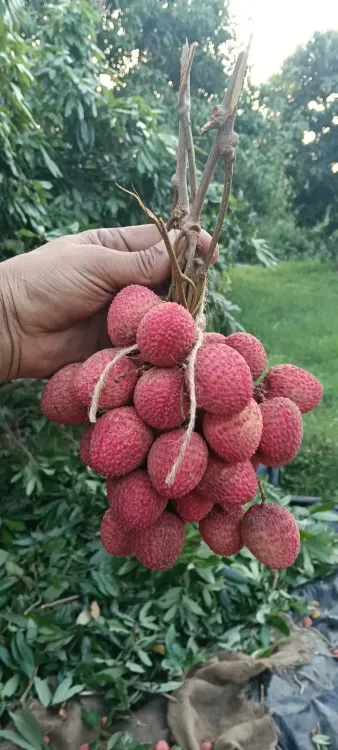
Fresh litchi from Hoshiarpur, Punjab, has been exported to Oman for the first time by a local cooperative society, leveraging India-Oman CEPA tariff concessions. Union Commerce Minister Piyush Goyal hailed the APEDA-facilitated shipment as a step toward raising farmer incomes and boosting India's global agricultural footprint.
Key Takeaways
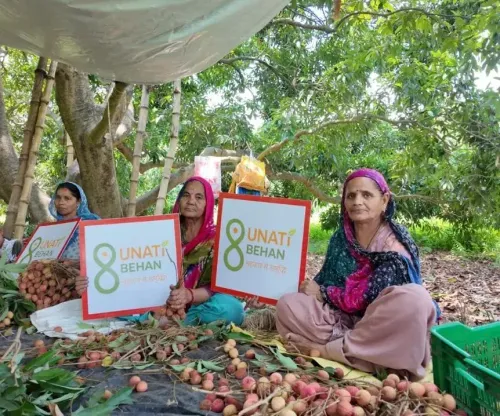
First-ever litchi export from Unnati Agri Allied Cooperative Society, Hoshiarpur, Punjab to Oman has been completed.
The shipment was facilitated by APEDA under the Ministry of Commerce and Industry .
Preferential market access under the India-Oman CEPA (signed 2023) enabled the export opportunity.
The initiative aims to raise farmer incomes , accelerate agricultural exports , and enhance the global profile of Indian farm produce.
Oman is a Gulf Cooperation Council member and a key food-security-focused trade partner of India.
The cooperative model could be replicated for other horticultural crops targeting GCC markets.
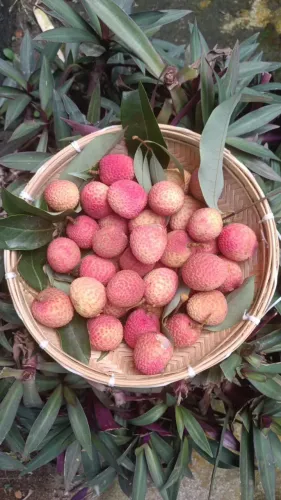
Union Commerce and Industry Minister Piyush Goyal on Thursday, 2 July 2026 announced a landmark agricultural export milestone: fresh litchi from Hoshiarpur, Punjab, has been shipped to Oman for the first time, facilitated by APEDA and leveraging preferential market access under the India-Oman Comprehensive Economic Partnership Agreement (CEPA).
Posting on X in Hindi, Goyal described the development as history being written 'from the fields to the Gulf countries' (kheton se khadi deshon tak, Punjab ki litchi ne racha naya itihas). The shipment was made by Unnati Agri Allied Cooperative Society, Hoshiarpur, a state-level producer organisation, marking the cooperative's first-ever international export consignment.
Context
The export was enabled through an initiative by APEDA — the Agricultural and Processed Food Products Export Development Authority, the statutory body under the Ministry of Commerce and Industry responsible for promoting agricultural exports. APEDA has been running targeted export promotion programmes for fresh horticultural produce targeting Gulf Cooperation Council markets since 2020.
Punjab's Hoshiarpur district is among the state's key litchi-growing belts. The involvement of a cooperative society in executing the shipment signals a push to bring smallholder farmer groups directly into global supply chains, rather than routing exports solely through large private traders.
Policy Backdrop
India and Oman signed the CEPA in 2023, with the agreement designed to liberalise tariffs across a wide range of agricultural and processed food products and expand bilateral trade in goods and services. Oman, a member of the Gulf Cooperation Council, is a long-standing trade partner of India with a strong focus on food security imports, making it a natural destination for fresh Indian produce.
India has pursued a series of such CEPAs and free trade agreements with Gulf economies to diversify agricultural export destinations beyond traditional markets. The litchi shipment represents a concrete, ground-level operationalisation of the tariff concessions embedded in the India-Oman pact — translating treaty text into actual farmer income.
Stakeholders and Impact
Minister Goyal framed the initiative as serving three interlinked objectives: raising farmers' incomes, accelerating agricultural exports, and strengthening the global recognition of Indian agricultural products. For Punjab litchi growers, access to Gulf markets — where Indian diaspora demand for fresh tropical fruit is significant — could open a commercially meaningful new revenue stream.
Cooperative societies like Unnati Agri Allied Cooperative Society stand to benefit from APEDA's logistical and market-linkage support, which can offset the compliance and cold-chain costs that typically deter smaller producer groups from entering export markets. If the model proves viable, it could be replicated for other horticultural crops across Punjab and neighbouring states.
What's Next
The immediate question is whether this inaugural shipment scales into regular commercial volumes across the litchi season and, beyond that, whether other GCC member states become export destinations under similar CEPA frameworks. APEDA and the Ministry of Commerce are expected to monitor farmer income data linked to these export flows as a measure of the policy's on-ground effectiveness.
With India actively negotiating and operationalising trade agreements across the Gulf, this litchi export from Hoshiarpur may be an early indicator of a broader shift in how Indian agri-cooperatives engage with international markets — moving from domestic price-takers to participants in premium export channels.
Point of View
It also serves a political narrative: that macro trade diplomacy, from CEPA negotiations to APEDA outreach, is producing tangible results for individual farmers rather than remaining an elite policy exercise. The cooperative-society delivery model, if it holds under commercial scale, could become a template for other perishable horticultural exports to the Gulf. The real test will come when shipment volumes and farmer price data are published, allowing independent verification of the income-enhancement claim.
NationPress
1 Oct 2026
Frequently Asked Questions
What is the India-Oman CEPA and how does it help farmers?
The India-Oman Comprehensive Economic Partnership Agreement, signed in 2023, reduces tariffs on a wide range of Indian agricultural and processed food products exported to Oman, giving Indian farmers and cooperatives preferential market access compared to competitors from non-CEPA countries.
Which cooperative exported Punjab litchi to Oman?
Unnati Agri Allied Cooperative Society, based in Hoshiarpur, Punjab, carried out the first-ever litchi export to Oman, with facilitation from APEDA.
What is APEDA's role in agricultural exports from India?
APEDA — the Agricultural and Processed Food Products Export Development Authority — is a statutory body under the Ministry of Commerce and Industry that promotes the export of agricultural and processed food products, provides market linkages, and supports compliance and logistics for exporting farmer groups.
Why is Oman an important market for Indian agricultural products?
Oman is a Gulf Cooperation Council member with a large Indian diaspora and a strong national focus on food security imports, making it a natural and commercially attractive destination for fresh Indian horticultural produce.
Is Punjab a major litchi-producing state in India?
Punjab, particularly the Hoshiarpur district, is a recognised litchi-growing region in India. While Bihar is the largest litchi producer nationally, Punjab's produce has now gained international export exposure through this Oman shipment.