Piyush Goyal Backs India-Oman CEPA to Boost Bilateral Ties
Synopsis
Commerce Minister Piyush Goyal on 1 June 2026 backed the India-Oman CEPA, calling it a catalyst for stronger bilateral ties. The pact aims to cut tariffs and boost trade and investment, continuing India's accelerated trade-agreement push with Gulf states since 2021.
Key Takeaways
Union Commerce Minister Piyush Goyal publicly endorsed the India-Oman CEPA on 1 June 2026 .
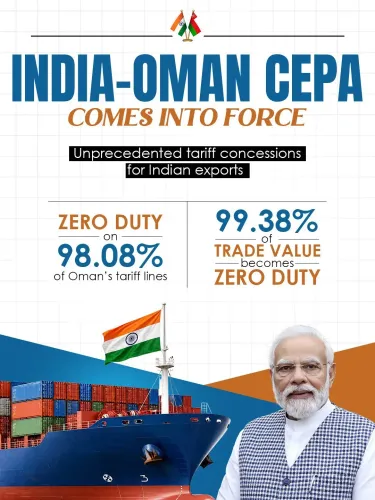
The agreement is designed to reduce tariffs and expand trade and investment flows between India and Oman .
India and Oman have maintained diplomatic and trade ties since 1955 , with a large Indian diaspora present in the Gulf state.
The pact follows the model of the India-UAE CEPA signed in February 2022 , which eliminated tariffs on over 80 percent of tariff lines.
Key beneficiaries include Indian exporters in textiles, pharmaceuticals and engineering goods, and Omani investors eyeing Indian markets.
Next steps include parliamentary ratification, publication of tariff schedules and monitoring of early trade data post-implementation.
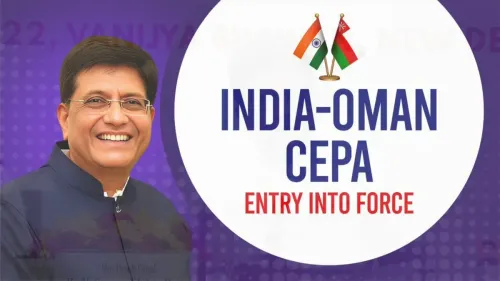
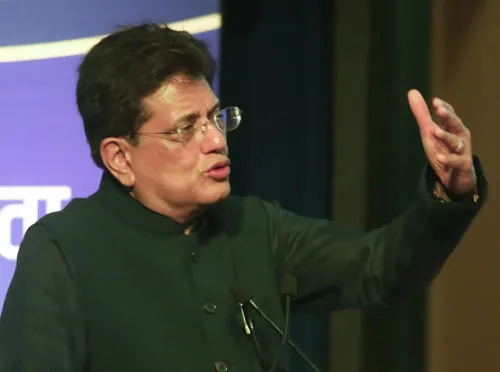
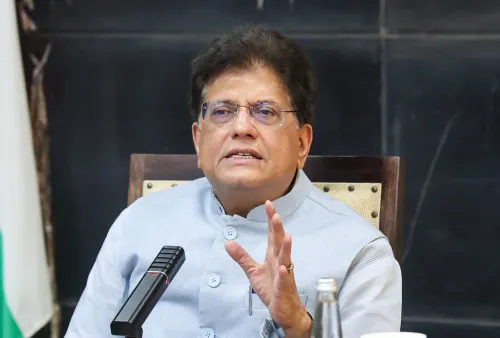
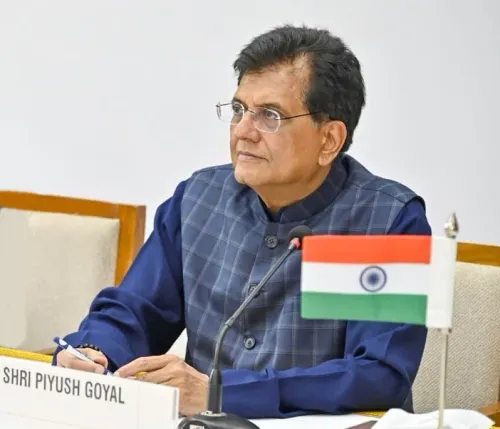
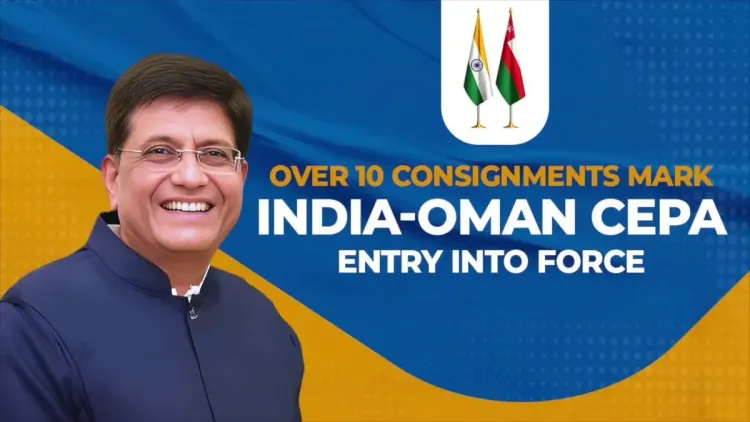
Union Commerce and Industry Minister Piyush Goyal on Monday, 1 June 2026 voiced strong support for the India-Oman Comprehensive Economic Partnership Agreement (CEPA), saying the pact will 'add new momentum' to ties between the two nations.
Context
India and Oman share diplomatic and trade relations dating back to 1955, underpinned by deep people-to-people links, energy cooperation and a large Indian diaspora in the Gulf state. The India-Oman CEPA is designed to cut tariffs and expand trade and investment flows between the two countries, building on the warm bilateral relationship that has endured for decades.
Minister Goyal's statement signals New Delhi's intent to push the agreement forward as part of a broader strategy to deepen economic engagement with Gulf Cooperation Council (GCC) member states.
Policy Backdrop
India has pursued an accelerated trade-agreement agenda since 2021, signing or negotiating CEPAs and free trade agreements with multiple partners to diversify export markets and reduce dependence on oil imports. The landmark India-UAE CEPA, signed in February 2022, eliminated tariffs on over 80 percent of tariff lines and served as a template for similar frameworks with other Gulf nations.
The India-Oman CEPA follows the same strategic logic — integrating supply chains, boosting non-oil trade and attracting Omani investment into Indian manufacturing and services. Oman's position as a key GCC member and its own economic diversification drive under Vision 2040 make it a natural partner for such an agreement.
Stakeholders and Impact
Indian exporters — particularly in textiles, engineering goods, pharmaceuticals and food products — stand to gain preferential access to the Omani market once the CEPA enters into force. Omani investors, in turn, are expected to benefit from easier entry into India's expanding consumer and infrastructure sectors.
The broader Indian diaspora in Oman, one of the largest expatriate communities in the Gulf, could also see improved conditions for remittances, professional mobility and business formation as economic integration deepens under the pact.
What's Next
Attention will now turn to the parliamentary ratification process in both countries, the publication of detailed tariff schedules and the timeline for the agreement's entry into force. Early trade data after implementation will be closely watched as a measure of the CEPA's real-world impact.
With India simultaneously pursuing similar frameworks with other GCC states, the India-Oman CEPA could accelerate a broader Gulf trade integration push that reshapes India's export geography and investment inflows over the coming years.
Point of View
This agreement represents the next node in a Gulf trade network that India is quietly but systematically building. The real test will come at ratification and implementation, where domestic industry lobbies on both sides will seek to shape the final tariff concessions.
NationPress
18 Oct 2026
Frequently Asked Questions
What is the India-Oman CEPA?
The India-Oman Comprehensive Economic Partnership Agreement (CEPA) is a bilateral trade pact intended to reduce tariffs and expand trade and investment flows between India and Oman. It follows the framework of the India-UAE CEPA signed in February 2022.
What did Piyush Goyal say about the India-Oman CEPA?
On 1 June 2026, Union Commerce Minister Piyush Goyal stated that the India-Oman CEPA will 'add new momentum' to ties between the two countries, signalling strong government backing for the agreement.
How does the India-Oman CEPA compare to the India-UAE CEPA?
The India-UAE CEPA, signed in February 2022, eliminated tariffs on over 80 percent of tariff lines and served as a template for India's Gulf trade strategy. The India-Oman CEPA is designed along similar lines to boost non-oil trade and investment.
Who benefits from the India-Oman CEPA?
Indian exporters in sectors such as textiles, pharmaceuticals and engineering goods stand to gain preferential market access in Oman, while Omani investors are expected to find easier entry into India's consumer and infrastructure sectors.
What are the next steps for the India-Oman CEPA?
The agreement must go through parliamentary ratification in both countries, followed by publication of detailed tariff schedules. Trade analysts will watch early post-implementation data to assess the pact's real-world economic impact.