India-Oman CEPA in force: 98% duty-free access to boost exports, jobs
Synopsis
India's trade pact with Oman just rewrote the rulebook — overnight, 98% of tariff lines covering nearly all of India's exports to Oman become duty-free, up from just 15.3% before. For textile clusters from Tirupur to Surat and MSMEs in steel and auto components, this is a direct shot at new Gulf orders and jobs.
Key Takeaways
The India-Oman CEPA came into force on 1 June 2025 , granting immediate duty-free access across 98% of tariff lines covering 99.38% of India's exports to Oman.
Pre-CEPA, only 15.3% of India's exports to Oman had zero-duty access; the agreement eliminates that gap almost entirely.
Goods worth approximately $3.64 billion that previously faced a 5% import duty in Oman will now enter duty-free.
Labour-intensive sectors including textiles , gems and jewellery , pharmaceuticals , leather , and automobiles receive full tariff elimination.
India has excluded sensitive items — including dairy , tea , gold bullion , and metal scrap — from any concessions.
India offers tariff liberalisation on 77.79% of its tariff lines, covering 94.81% of imports from Oman by value.
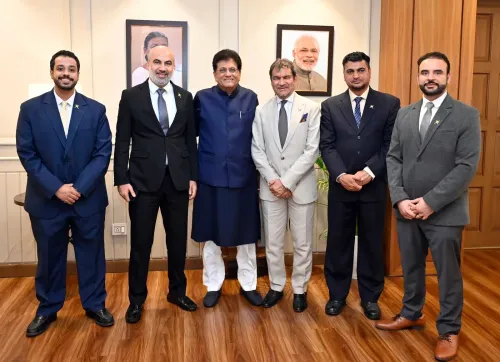
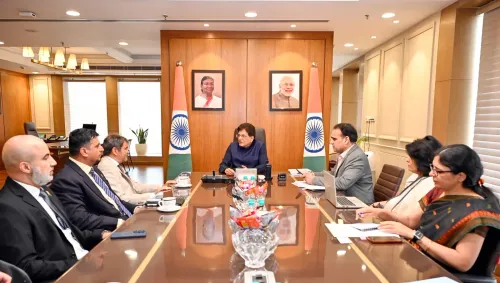
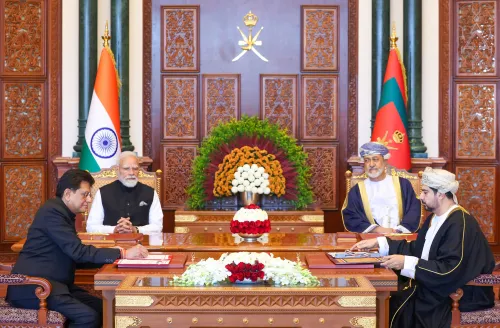
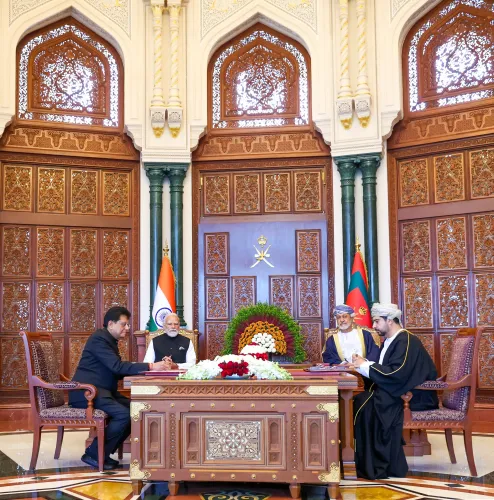
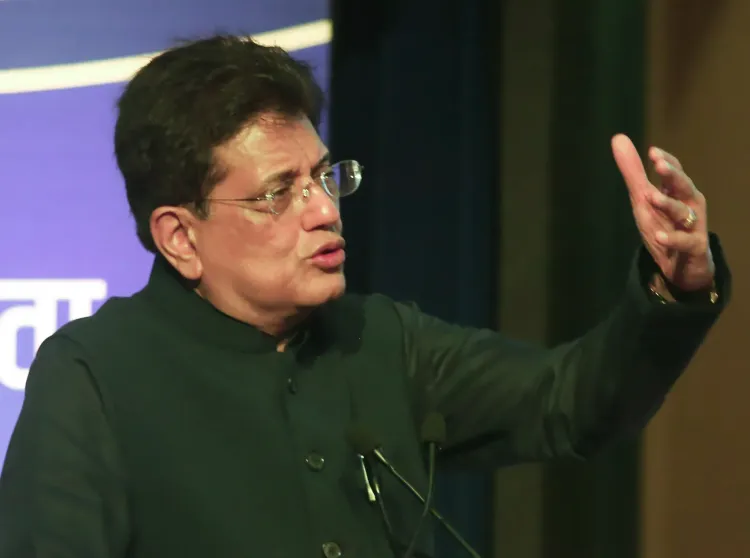
The India-Oman Comprehensive Economic Partnership Agreement (CEPA) came into force on Monday, 1 June, granting Indian exporters immediate 100% duty-free market access across 98% of tariff lines — covering 99.38% of India's exports to Oman. Union Commerce and Industry Minister Piyush Goyal called the agreement a defining milestone in the country's trade strategy, saying it would significantly benefit India across multiple sectors.
What the Agreement Delivers
Before the CEPA, only 15.3% of India's exports to Oman enjoyed zero-duty access. The new agreement eliminates that constraint, bringing virtually the entire export basket under duty-free treatment. Goods that previously attracted a 5% import duty in Oman — worth approximately $3.64 billion in export value — will now become markedly more competitive in the Gulf market.
All major labour-intensive sectors receive full tariff elimination under the pact. These include gems and jewellery, textiles, leather, footwear, sports goods, plastics, furniture, agricultural products, engineering products, pharmaceuticals, medical devices, and automobiles.
Impact on Small Businesses and Artisans
Sectors dominated by micro, small, and medium enterprises — including iron and steel, textiles, leather, auto components, and industrial equipment — are expected to attract large international orders following the agreement's entry into force.
Goyal specifically highlighted the textile sector, noting that increased exports to Oman would boost production and generate employment across major clusters including Tirupur, Surat, Ludhiana, Panipat, Coimbatore, Karur, Moradabad, Jaipur, and Ahmedabad. 'Artisans and weavers across India will also gain from higher international demand for their products,' he said.
India's Concessions and Safeguards
India is offering tariff liberalisation on 77.79% of its total tariff lines, covering 94.81% of India's imports from Oman by value. For products of export interest to Oman that are sensitive domestically, liberalisation is largely structured through a tariff-rate quota (TRQ) mechanism rather than outright elimination.
Notably, India has kept a range of sensitive products in an exclusion category with no concessions offered. These include agricultural items such as dairy, tea, coffee, rubber, and tobacco products; gold and silver bullion and jewellery; labour-intensive goods like footwear and sports goods; and scrap of many base metals.
Broader Strategic Context
This comes amid India's accelerating push to finalise bilateral trade agreements with key Gulf and global partners. The India-Oman CEPA follows a similar pact with the UAE and reflects New Delhi's strategy of using targeted free-trade deals to diversify export markets beyond traditional Western destinations. Goyal framed the agreement as advancing Prime Minister Narendra Modi's mission to create 'global pathways to prosperity' for students, artisans, women, farmers, fishermen, and MSMEs. With Gulf countries collectively absorbing a significant share of India's merchandise exports, the Oman deal adds meaningful depth to that corridor.
Point of View
But the real test is uptake. Jumping from 15.3% to 98% duty-free coverage overnight is a structural shift — yet Gulf trade corridors have historically been underutilised by India's MSME exporters due to logistics gaps and standards compliance costs, not tariffs alone. The exclusion of gold bullion and jewellery from India's concession list is a pointed signal: New Delhi is protecting its most politically sensitive import categories even as it opens export doors. Whether textile clusters from Tirupur to Ludhiana can actually mobilise to capture new Oman orders will depend on how quickly industry bodies translate tariff gains into buyer relationships on the ground.
NationPress
22 Sept 2026
Frequently Asked Questions
What is the India-Oman CEPA and when did it come into force?
The India-Oman Comprehensive Economic Partnership Agreement (CEPA) is a bilateral free-trade pact that came into force on 1 June 2025. It grants Indian exporters immediate duty-free access across 98% of tariff lines covering 99.38% of India's exports to Oman.
How does the CEPA change India's export access to Oman?
Before the CEPA, only 15.3% of India's exports to Oman had zero-duty access. The agreement extends that to 98% of tariff lines, making goods worth approximately $3.64 billion — previously subject to a 5% import duty — fully duty-free.
Which Indian sectors benefit most from the India-Oman trade deal?
Labour-intensive sectors including textiles, gems and jewellery, leather, footwear, pharmaceuticals, medical devices, auto components, and engineering products receive full tariff elimination. MSMEs in iron and steel, industrial equipment, and plastics are also expected to benefit from new international orders.
What products has India excluded from concessions under the CEPA?
India has placed sensitive products in an exclusion category with no concessions. These include agricultural goods such as dairy, tea, coffee, rubber, and tobacco; gold and silver bullion and jewellery; footwear; sports goods; and scrap of many base metals.
How does the India-Oman CEPA affect jobs in India?
Commerce Minister Piyush Goyal said the agreement will accelerate job creation, particularly in textile manufacturing clusters such as Tirupur, Surat, Ludhiana, Panipat, Coimbatore, Karur, Moradabad, Jaipur, and Ahmedabad, as well as among artisans and weavers who stand to gain from higher international demand.