India-Oman CEPA in force: India 2nd nation after US to seal trade pact

Synopsis
India has joined an exclusive club of two — alongside the United States — as the only nations to hold a Comprehensive Economic Partnership Agreement with Oman. With 99.38% of Indian exports now entering Oman duty-free and Oman's ports serving as a gateway to the GCC and East Africa, this is one of India's most strategically positioned trade wins in recent years.
Key Takeaways
India became the second nation after the US to secure a CEPA with Oman , effective 1 June 2026 .
99.38 per cent of India's exports to Oman will now receive duty-free access .
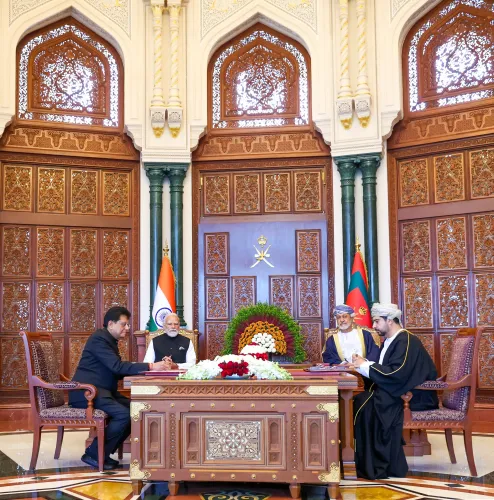
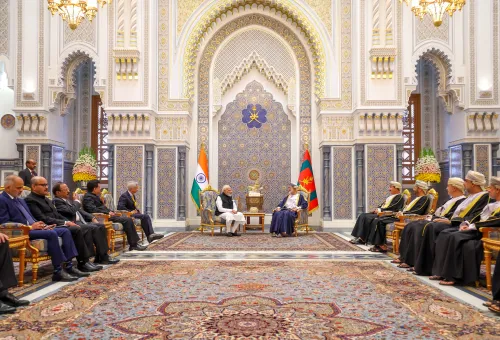
The CEPA was signed on 18 December 2025 in Muscat by PM Modi and Sultan Haitham bin Tarik Al Said .
Bilateral trade rose to $11.18 billion in FY 2025-26, up from $10.61 billion in FY 2024-25.
Oman's ports at Sohar , Duqm , and Salalah give Indian exporters expanded access to GCC and East African markets.
The deal is expected to benefit farmers, MSMEs, fishermen , and labour-intensive export sectors.
India has become only the second country in the world, after the United States, to have a Comprehensive Economic Partnership Agreement (CEPA) with Oman, with the landmark trade pact officially entering into force on 1 June 2026. The agreement, which was signed on 18 December 2025 in Muscat, is being described by the government as a transformative shift in bilateral economic and strategic relations between the two nations.
What the CEPA Delivers for India
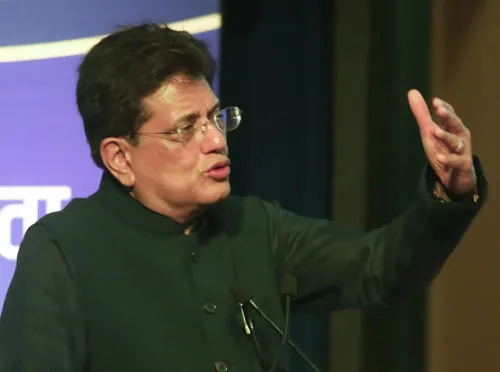
Under the agreement, a sweeping 99.38 per cent of India's exports to Oman will receive duty-free access, placing Indian exporters on equal or superior footing compared to suppliers from countries without preferential trade arrangements with Oman. Commerce and Industry Minister Piyush Goyal described the pact as a 'force multiplier in the Gulf region,' adding that it unlocks fresh avenues for Indian exporters and professionals alike.
'This Agreement will be a force multiplier in the Gulf region. With 99.38 per cent of India's exports receiving duty-free access, the Agreement unlocks new opportunities for our exporters and professionals gain opportunities. Oman is our trusted partner, a bridge for our people and a gateway to the Gulf and East Africa,' Goyal said at a media briefing in New Delhi.
Strategic Significance: Gateway to Gulf and East Africa
Oman's strategic logistics infrastructure — including ports at Sohar, Duqm, and Salalah — gives Indian exporters enhanced connectivity not just to Oman but to the broader Gulf Cooperation Council (GCC) and East African markets. Commerce Secretary Rajesh Agrawal noted that at a time when global supply chains are being redrawn, the CEPA positions both countries to capitalise on structural shifts in trade patterns.
'The India-Oman CEPA brings new energy to our bilateral economic engagement, anchored in complementary strengths, deeper regulatory cooperation and a shared commitment to growth,' Agrawal said.
Bilateral Trade on an Upward Curve
Bilateral trade between India and Oman reached $11.18 billion in FY 2025-26, up from $10.61 billion in FY 2024-25, reflecting a steady positive trend even before the agreement's formal activation. The CEPA is expected to accelerate this trajectory by removing tariff barriers and deepening regulatory cooperation across labour-intensive sectors.
High-Level Backing and the Road to Ratification
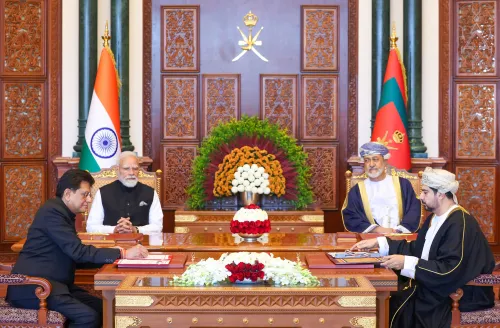
The CEPA was signed in Muscat on 18 December 2025 in the presence of Prime Minister Narendra Modi and Oman Sultan Haitham bin Tarik Al Said, underscoring the political weight behind the agreement. Following completion of internal ratification processes on both sides, it came into force on 1 June 2026.
Minister Goyal framed the deal within Prime Minister Modi's broader trade vision, stating that the CEPA 'reflects Prime Minister Narendra Modi's vision of forging trade partnerships that deliver gains for farmers, fishermen, youth, women, entrepreneurs and MSMEs.' The focus on labour-intensive sectors signals a deliberate push to link trade liberalisation with domestic job creation and MSME competitiveness.
What Comes Next
With the CEPA now operational, Indian enterprises in sectors such as textiles, pharmaceuticals, engineering goods, and agri-products are expected to be among the earliest beneficiaries of the duty-free access window. The agreement also strengthens India's integration into regional and global value chains at a moment when supply-chain diversification is accelerating worldwide. Industry bodies and exporters are expected to move quickly to leverage the preferential access before competing economies negotiate their own arrangements with Oman.
Point of View
The opportunity is structurally sound; whether Indian MSMEs — the stated beneficiaries — can actually access it depends on trade facilitation on the ground, not just tariff schedules on paper. The timing also matters: as global supply chains fragment, locking in preferential access before rivals do is smart positioning, but India will need to move fast to convert the pact's promise into export volume.
NationPress
16 Sept 2026
Frequently Asked Questions
What is the India-Oman CEPA and when did it come into force?
The India-Oman Comprehensive Economic Partnership Agreement (CEPA) is a bilateral trade pact that grants preferential market access to both countries. It was signed on 18 December 2025 in Muscat and officially entered into force on 1 June 2026, after both sides completed their internal ratification processes.
Why is the India-Oman CEPA significant?
India is only the second country in the world, after the United States, to have a CEPA with Oman. The deal grants 99.38 per cent of Indian exports duty-free access to Oman and positions India as a preferred trade partner in the Gulf region.
Which Indian sectors benefit most from the India-Oman CEPA?
Labour-intensive sectors such as textiles, pharmaceuticals, engineering goods, and agri-products are expected to be among the primary beneficiaries. The government has also highlighted gains for farmers, fishermen, MSMEs, and entrepreneurs.
How much is bilateral trade between India and Oman?
Bilateral trade between India and Oman reached $11.18 billion in FY 2025-26, up from $10.61 billion in FY 2024-25, indicating a positive trend that the CEPA is expected to accelerate further.
How does Oman's location benefit Indian exporters under this agreement?
Oman's strategic logistics hubs at Sohar, Duqm, and Salalah serve as gateways to both the Gulf Cooperation Council (GCC) and East African markets. The CEPA gives Indian exporters preferential access not just to Oman but to a broader regional trade network through these ports.