India, US reaffirm Energy Security Partnership at Houston G20 meet
Synopsis
India's Power Minister used the G20 Energy Abundance Ministerial in Houston to advance energy diplomacy on multiple fronts — reaffirming the US-India Energy Security Partnership, presenting a nuclear expansion roadmap, pitching AI-ready power infrastructure, and inviting Canadian firms into offshore exploration. With 552 GW installed and non-fossil fuels crossing 50%, India arrived at Houston with numbers — and ambitions — that demand global attention.
Key Takeaways
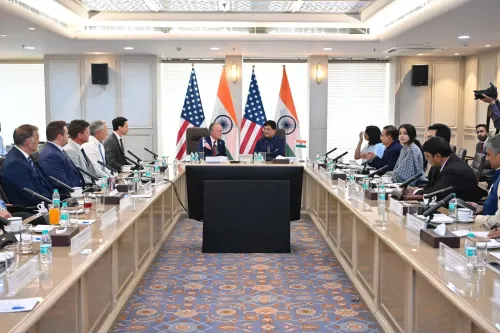
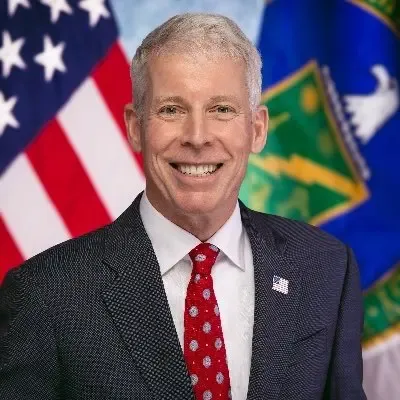
Union Power Minister Manohar Lal and US Energy Secretary Chris Wright met in Houston on 16 September 2026 to reaffirm the US-India Energy Security Partnership .
India presented plans for dedicated power infrastructure for AI, high-performance computing, and data centres , alongside a nuclear expansion roadmap .
The minister met Canada's Parliamentary Secretary Corey Hogan to explore cooperation under the Samundra Manthan offshore exploration scheme.
India cited 552 GW installed capacity and a non-fossil share exceeding 50% at the G20 Energy Abundance Working Group.
Regulatory platforms including National Single Window System , PARIVESH , and PM Gati Shakti were highlighted as tools for streamlining energy project approvals.
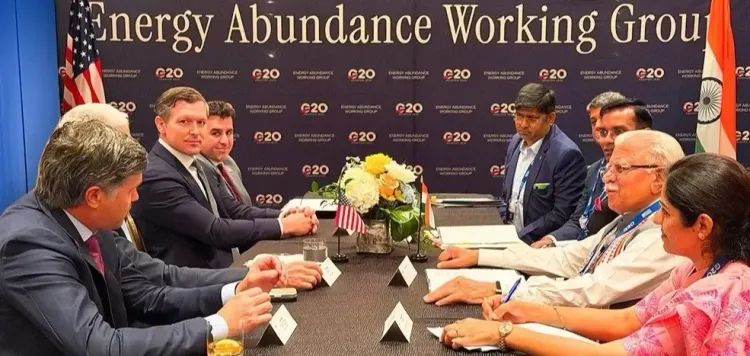
Union Power Minister Manohar Lal and his US counterpart, Energy Secretary Chris Wright, on 16 September 2026 reaffirmed priorities under the US-India Energy Security Partnership at a bilateral meeting in Houston, according to a statement issued by India's Ministry of Power. The discussions covered clean energy, resilient infrastructure, and emerging technologies, underscoring the growing strategic alignment between the two nations on energy policy.
Key Discussions at Houston
The meeting took place on the sidelines of the G20 Energy Abundance Ministerial Meeting in Houston. During the talks, Minister Manohar Lal outlined India's plans to build dedicated power infrastructure for artificial intelligence (AI), high-performance computing, and data centres — a signal of New Delhi's ambition to position itself as a global digital economy. He also presented India's roadmap for nuclear expansion, signalling a push for clean baseload capacity beyond renewables.
Canada Talks: Offshore Exploration and Clean Tech
Separately, the minister met Corey Hogan, Parliamentary Secretary to Canada's Minister of Energy and Natural Resources, to explore bilateral cooperation in energy efficiency, low-emission technologies, and offshore exploration under the Samundra Manthan scheme. Minister Lal also invited Canadian companies to participate in India's expanding exploration and production sector and deepen engagement in emerging energy technologies.
India's Energy Milestones on the Global Stage
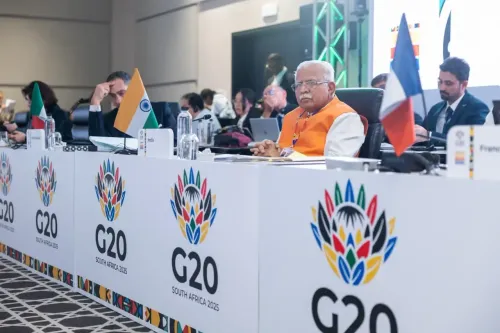
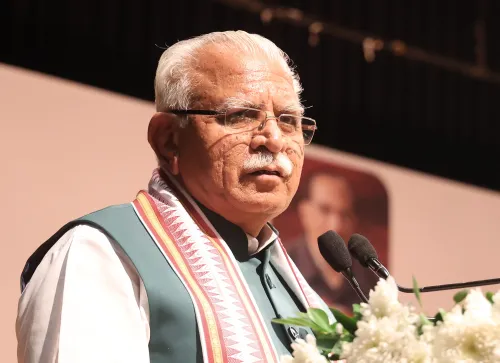
At the G20 Energy Abundance Working Group meetings, Minister Lal highlighted India's progress, citing an installed capacity of 552 GW, a non-fossil fuel share exceeding 50 per cent, and major advances in solar, storage, nuclear energy, and clean cooking access. He reaffirmed India's commitment to technology-neutral, inclusive energy pathways and its contribution to global initiatives including the International Solar Alliance (ISA), One Sun One World One Grid (OSOWOG), and the Global Biofuels Alliance.
Regulatory Reforms and G20 Cooperation
The minister also detailed India's regulatory modernisation efforts, highlighting digital platforms such as the National Single Window System, PARIVESH, and PM Gati Shakti to streamline approvals and strengthen regulatory predictability. He called for enhanced G20 collaboration in capacity building and regulatory modernisation, stressing that efficient permitting is essential for timely infrastructure development. This comes amid a broader global push to accelerate clean energy transitions without compromising energy security or affordability.
India's deepening energy diplomacy — spanning the US, Canada, and multilateral G20 forums — signals a strategic effort to diversify partnerships and secure the technology and investment needed to meet its long-term energy goals.
Point of View
But a country that arrives with data (552 GW, 50% non-fossil share) and asks for co-investment in AI-era power needs and nuclear. The inclusion of the Samundra Manthan offshore scheme in Canada talks is notable: India is quietly building a multi-partner energy architecture that reduces dependence on any single supplier or technology corridor. What remains to be seen is whether these bilateral reaffirmations translate into binding commitments or remain framework statements — a distinction India's energy transition timeline cannot afford to blur much longer.
NationPress
16 Sept 2026
Frequently Asked Questions
What was agreed at the India-US energy meeting in Houston?
Union Power Minister Manohar Lal and US Energy Secretary Chris Wright reaffirmed priorities under the US-India Energy Security Partnership on 16 September 2026, focusing on clean energy, resilient infrastructure, and emerging technologies. The meeting took place on the sidelines of the G20 Energy Abundance Ministerial Meeting in Houston.
What is India's plan for AI and data centre power infrastructure?
Minister Manohar Lal outlined India's plans to build dedicated power infrastructure to support artificial intelligence, high-performance computing, and data centres. This forms part of India's broader strategy to position itself as a global digital economy hub with the energy backbone to match.
What is the Samundra Manthan scheme discussed with Canada?
Samundra Manthan is India's offshore exploration scheme, under which Minister Lal discussed cooperation with Canada's Parliamentary Secretary Corey Hogan on energy efficiency, low-emission technologies, and offshore energy development. Indian officials also invited Canadian companies to participate in India's exploration and production sector.
What energy milestones did India highlight at the G20 meeting?
India cited an installed power capacity of 552 GW and a non-fossil fuel share exceeding 50%, along with advances in solar, storage, nuclear, and clean cooking access. These figures were presented at the G20 Energy Abundance Working Group meetings in Houston.
Which digital platforms is India using to streamline energy project approvals?
India highlighted the National Single Window System, PARIVESH, and PM Gati Shakti as digital tools to streamline approvals and improve regulatory predictability for energy infrastructure projects. The minister called for enhanced G20 collaboration in capacity building and regulatory modernisation.