Piyush Goyal calls India-Oman CEPA a 'civilisational trust' pact
Synopsis
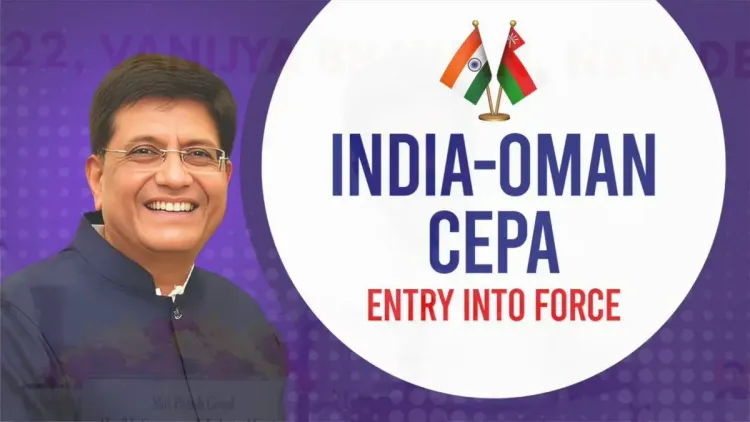
Commerce Minister Piyush Goyal on June 1, 2026 described the India-Oman CEPA as 'a statement of civilisational trust,' framing the deal within India's broader strategy of deepening economic ties with GCC nations through comprehensive trade agreements.
Key Takeaways
Union Commerce Minister Piyush Goyal publicly framed the India-Oman CEPA as a 'statement of civilisational trust' on June 1, 2026 .
The agreement covers goods, services, investment and intellectual property between India and Oman .
It follows the India-UAE CEPA signed in February 2022 , which entered into force in May 2022 and serves as the template for Gulf trade deals.
India and Oman have maintained a bilateral Joint Commission for economic cooperation since 1992 .
Parallel CEPA negotiations with Saudi Arabia and Qatar are ongoing, pointing to a wider India-GCC integration push.
Key stakeholders include Indian exporters, Omani investors and energy traders on both sides.
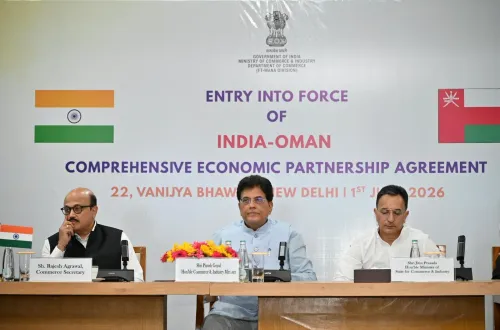
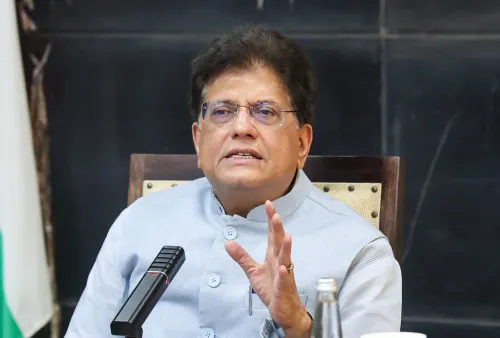
Union Commerce and Industry Minister Piyush Goyal on Monday, June 1, 2026 described the India-Oman Comprehensive Economic Partnership Agreement (CEPA) as more than a trade deal, calling it 'a statement of civilisational trust' between the two nations.
Context
Goyal, who is also the Leader of the House in the Rajya Sabha and the minister overseeing India's trade and investment negotiations, framed the agreement in terms of deep historical ties rather than purely economic metrics. The characterisation reflects New Delhi's broader diplomatic posture of anchoring trade pacts in shared cultural and maritime heritage, particularly with Gulf Cooperation Council (GCC) members.
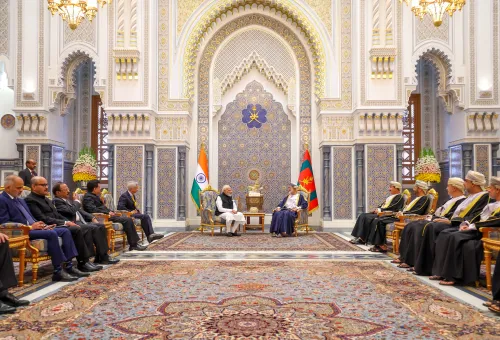
India and Oman share centuries-old maritime and commercial links across the Indian Ocean, and Oman hosts one of the largest Indian expatriate communities in the Gulf region. A dedicated India-Oman Joint Commission has been in place since 1992 to review bilateral economic and commercial cooperation.
Policy Backdrop
The India-Oman CEPA is the latest in a series of comprehensive trade agreements India has pursued with Gulf nations. The template was set by the India-UAE CEPA, signed in February 2022 and brought into force in May 2022, which delivered rapid growth in bilateral trade and became a reference model for subsequent Gulf negotiations.
India has systematically negotiated CEPAs with GCC countries to diversify its trade relationships, reduce dependence on any single market, and secure energy supplies alongside expanded market access. These agreements combine tariff liberalisation with regulatory cooperation and are explicitly framed around shared Indian Ocean trade routes. Oman's stable political environment and its role as a regional logistics hub make it a particularly strategic partner in this network.
Parallel negotiations with Saudi Arabia and Qatar for similar agreements are also under way, indicating that the India-Oman CEPA is one node in a wider Gulf integration strategy.
Stakeholders and Impact
Indian exporters stand to gain from preferential market access to Oman, while Omani investors are expected to benefit from streamlined entry into one of the world's fastest-growing large economies. Energy traders on both sides view the agreement as a framework that can underpin long-term supply contracts with greater regulatory certainty.
The agreement's coverage of goods, services, investment and intellectual property means its effects will extend well beyond conventional tariff reductions. Small and medium enterprises in sectors such as textiles, pharmaceuticals, engineering goods and food processing are among the Indian stakeholders most closely watching implementation timelines.
What's Next
Attention will now shift to parliamentary ratification timelines and the scheduling of the first annual trade review meeting once the agreement enters into force. The pace of implementation will be closely watched against the benchmark set by the India-UAE CEPA, which moved from signing to operationalisation within roughly three months.
With negotiations ongoing with Saudi Arabia and Qatar, the India-Oman CEPA could accelerate momentum for a broader India-GCC framework agreement, a long-standing ambition that has gained fresh urgency as India seeks to consolidate its position as the Gulf's preferred economic partner.
Point of View
Not merely rhetorical flourish. It positions the India-Oman CEPA within a longer arc of Indian Ocean connectivity that New Delhi is using to build durable, values-anchored partnerships with Gulf states. Coming after the success of the India-UAE CEPA, this deal reinforces India's strategy of locking in bilateral economic architecture with GCC members before pursuing a multilateral bloc-level agreement. The framing also serves a domestic political purpose, presenting trade diplomacy as civilisational statecraft rather than technocratic deal-making.
NationPress
19 Sept 2026
Frequently Asked Questions
What is the India-Oman CEPA?
The India-Oman Comprehensive Economic Partnership Agreement (CEPA) is a bilateral trade pact covering goods, services, investment and intellectual property between India and Oman, aimed at expanding market access and deepening economic ties.
Why did Piyush Goyal call the India-Oman CEPA a 'civilisational trust' agreement?
Minister Goyal used the phrase to highlight the centuries-old maritime and cultural links between India and Oman, framing the deal as rooted in shared history rather than purely transactional trade interests.
How does the India-Oman CEPA compare to the India-UAE CEPA?
The India-UAE CEPA, signed in February 2022 and enforced from May 2022, is the model for India's Gulf trade deals. The India-Oman CEPA follows a similar structure covering goods, services and investment, with Oman's role as a logistics hub adding strategic value.
What is India's broader trade strategy with Gulf countries?
India is systematically negotiating CEPAs with GCC members — including the UAE, Oman, Saudi Arabia and Qatar — to diversify trade, secure energy supplies and reduce dependence on any single market, leveraging shared Indian Ocean maritime heritage.
Who benefits from the India-Oman CEPA?
Key beneficiaries include Indian exporters in sectors like textiles, pharmaceuticals and engineering goods, Omani investors seeking access to the Indian market, and energy traders on both sides who gain a more stable regulatory framework.