Shekhawat backs India-Oman CEPA, cites zero-duty gains
Synopsis
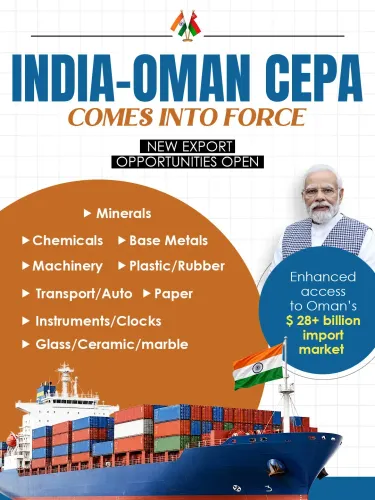
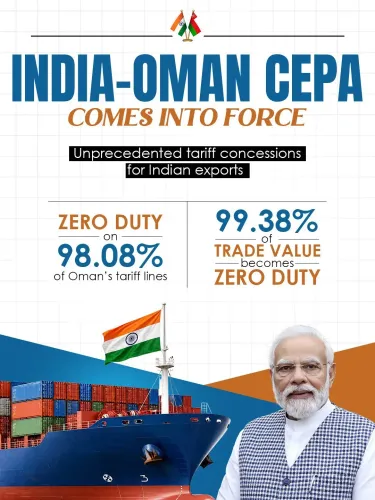
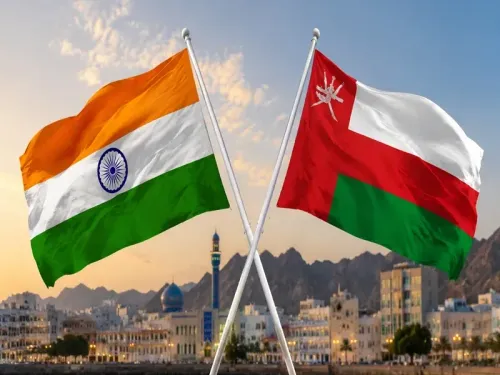
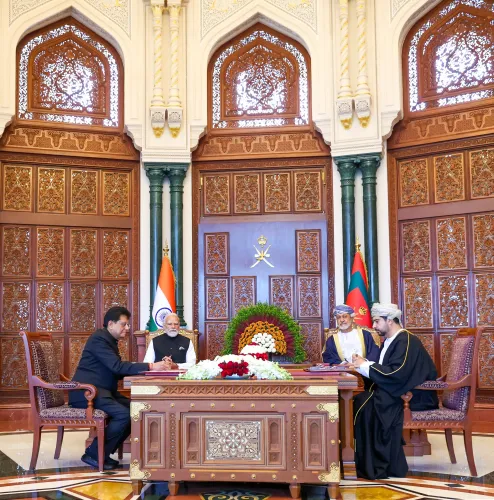
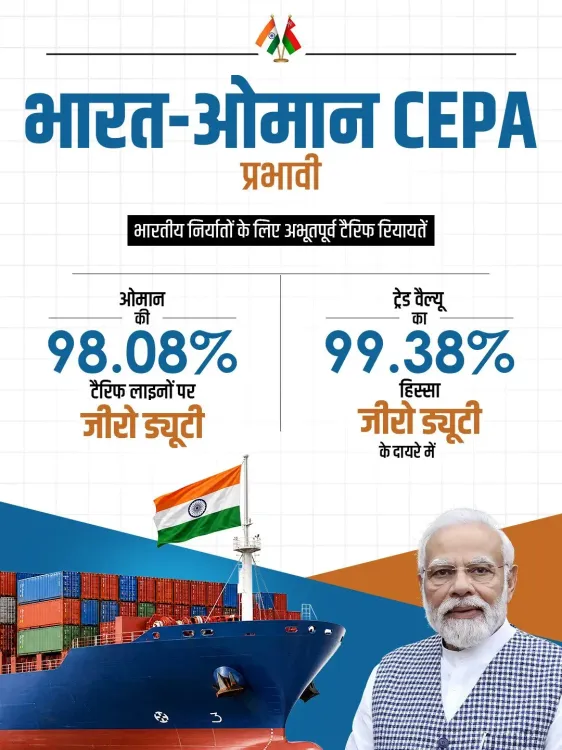
Union Culture and Tourism Minister Gajendra Singh Shekhawat on 1 June 2026 backed the India-Oman CEPA, saying it will establish zero customs duty on Indian goods in Oman and create broad export and employment opportunities for all sections of Indian society.
Key Takeaways
Union Minister Gajendra Singh Shekhawat publicly endorsed the India-Oman CEPA on 1 June 2026 .
The agreement aims to make bilateral trade 'easy and lasting' with zero customs duty on Indian products exported to Oman .
The pact is expected to boost exports and generate employment across labour-intensive sectors in India.
The deal follows the India-UAE CEPA template signed in February 2022 , which eliminated duties on over 80 per cent of tariff lines.
MSMEs and mid-sized exporters stand to benefit most directly from reduced tariff barriers in the Oman market.
Official tariff schedules and early trade data from the Ministry of Commerce and Industry will be the key indicators to watch.
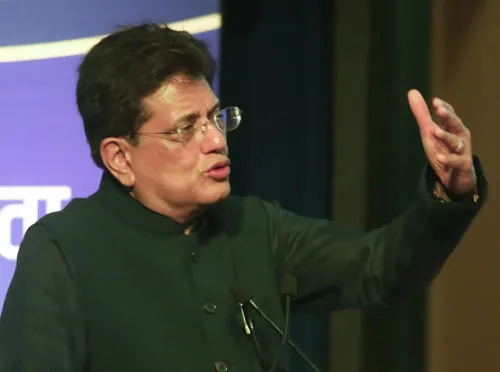
Union Culture and Tourism Minister Gajendra Singh Shekhawat on Monday, 1 June 2026 voiced strong support for the India-Oman Comprehensive Economic Partnership Agreement (CEPA), saying the pact is designed to make trade between the two nations easier and more durable, with Indian products set to attract zero customs duty in Oman.
Context
Posting in Hindi on X, Shekhawat wrote: 'India-Oman CEPA समझौते का उद्देश्य दोनों देशों के बीच व्यापार को आसान और स्थायी बनाना है' — 'The aim of the India-Oman CEPA agreement is to make trade between the two countries easy and lasting.' He added that the pact would bring zero duty on Indian products in Oman and unlock 'numerous possibilities' in the coordination of exports and employment, ensuring 'definite benefits for every section of the country.'
The minister's remarks come as India has accelerated its push to formalise preferential trade arrangements with Gulf Cooperation Council (GCC) member states, seeking to diversify export destinations and generate jobs in labour-intensive industries.
Policy Backdrop
The India-Oman CEPA follows the template set by the landmark India-UAE CEPA, signed in February 2022, which eliminated duties on more than 80 per cent of tariff lines and became the first such agreement India concluded with a Gulf nation. A similar framework was extended to Australia through the India-Australia Economic Cooperation and Trade Agreement (ECTA) in 2022.
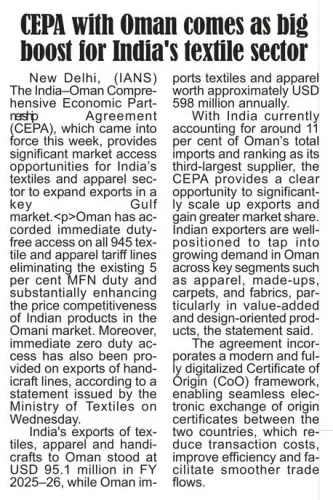
The Ministry of Commerce and Industry is the lead negotiating body for India's CEPA and Free Trade Agreement portfolio. These deals typically feature phased duty elimination schedules and targeted provisions to expand market access in goods and services sectors where India holds a competitive edge, including textiles, engineering goods, pharmaceuticals, and gems and jewellery.
Stakeholders and Impact
Oman is a long-standing partner of India, with deep ties spanning defence cooperation, energy trade, and one of the largest Indian diaspora communities in the Gulf. A zero-duty regime for Indian merchandise in Oman would directly benefit MSMEs and mid-sized exporters who currently face tariff barriers that erode price competitiveness.
Employment in export-linked sectors — particularly in states with high concentrations of labour-intensive manufacturing — is expected to see a positive ripple effect as order volumes from Oman potentially rise under the new tariff structure. Shekhawat, representing Jodhpur in Rajasthan, a state with significant textile and handicraft export activity, has a direct constituency interest in such outcomes.
What's Next
Analysts and exporters will watch closely for the official gazette notification of the agreement's tariff schedules by the Ministry of Commerce and Industry, which will detail the specific product lines eligible for zero or reduced duty. The first post-agreement bilateral trade data released by the commerce ministry will serve as the earliest empirical test of whether the pact delivers the export and employment gains its proponents project.
If the India-Oman CEPA performs in line with the India-UAE CEPA precedent, it could accelerate India's broader strategy of locking in preferential access across the entire GCC bloc — a market of significant strategic and economic importance for New Delhi.
Point of View
Even from ministries outside the commerce portfolio. The post fits a broader pattern in which senior party leaders amplify trade diplomacy wins to underscore India's growing economic assertiveness in the Gulf. By framing zero-duty access as a benefit for 'every section of the country,' the messaging is calibrated to resonate with MSME owners, workers in export-linked industries, and the large Indian diaspora community in Oman. The real test will come when tariff schedules are gazetted and trade data begins to reflect whether the agreement translates political intent into measurable export growth.
NationPress
18 Oct 2026
Frequently Asked Questions
What is the India-Oman CEPA?
The India-Oman Comprehensive Economic Partnership Agreement (CEPA) is a bilateral trade pact aimed at reducing tariffs and expanding market access between India and Oman, with Indian goods set to attract zero customs duty in Oman under the agreement.
How does India-Oman CEPA benefit Indian exporters?
Indian exporters will face zero customs duty on their products in Oman, making Indian goods more price-competitive and potentially increasing order volumes, particularly for MSMEs and labour-intensive sectors such as textiles and engineering goods.
What is the difference between India-Oman CEPA and India-UAE CEPA?
The India-UAE CEPA, signed in February 2022, was India's first CEPA with a Gulf nation and eliminated duties on over 80 per cent of tariff lines; the India-Oman CEPA follows a similar template and extends preferential access to another key GCC member.
Which ministry handles India's CEPA agreements?
The Ministry of Commerce and Industry is the lead Indian government body responsible for negotiating and implementing CEPAs and Free Trade Agreements.
How will India-Oman CEPA create jobs in India?
By opening the Oman market to Indian goods at zero duty, the agreement is expected to increase export demand, particularly in labour-intensive manufacturing sectors, thereby generating employment across multiple states including Rajasthan.