Kishan Reddy hails India-Oman CEPA coming into force
Synopsis
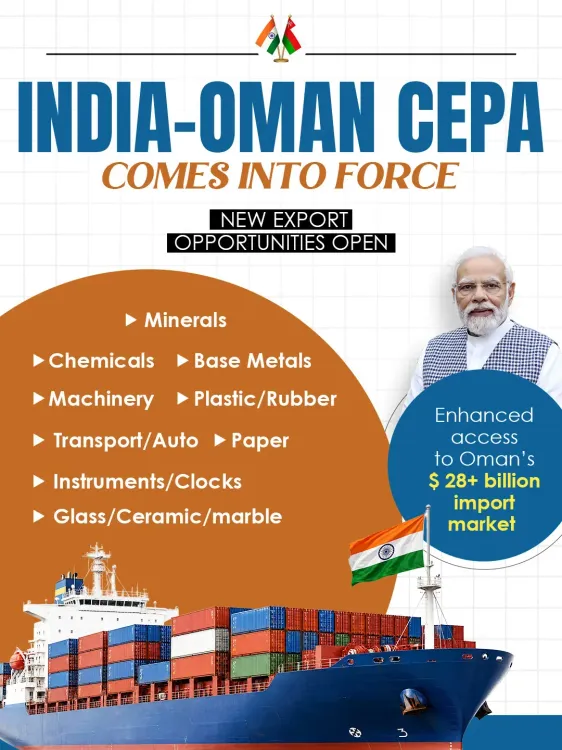
The India-Oman Comprehensive Economic Partnership Agreement entered into force on 1 June 2026, granting zero-duty access on nearly all Omani tariff lines. Union Minister G. Kishan Reddy hailed the deal as a landmark step under PM Modi, benefiting Indian exporters, MSMEs and professionals while protecting dairy and agriculture.
Key Takeaways
The India-Oman CEPA entered into force on 1 June 2026 , according to Union Minister G.
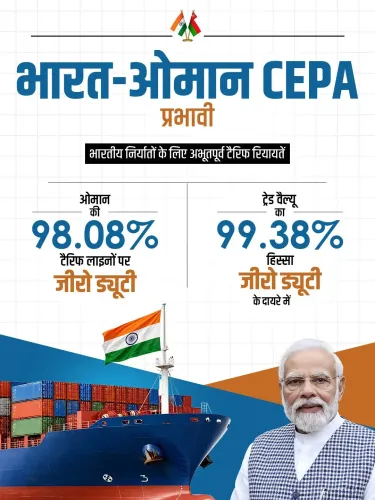
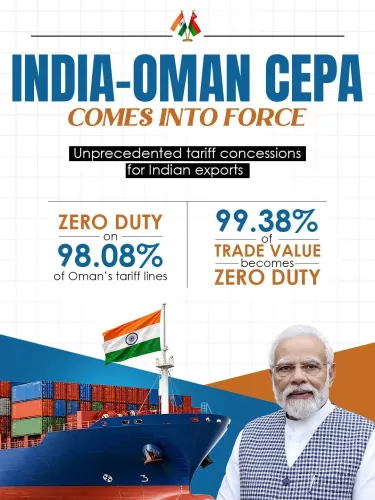
The agreement provides zero-duty access on 98.08% of Oman's tariff lines , covering 99.38% of bilateral trade value .
Indian MSMEs, exporters and labour-intensive sectors are identified as primary beneficiaries.
Professionals including IT engineers, healthcare workers, educators and AYUSH practitioners gain new structured avenues to work in Oman.
Sensitive sectors — dairy and agriculture — are protected through explicit carve-outs in the agreement.
The deal follows the India-UAE CEPA (May 2022) as part of India's accelerated bilateral trade push with GCC economies .
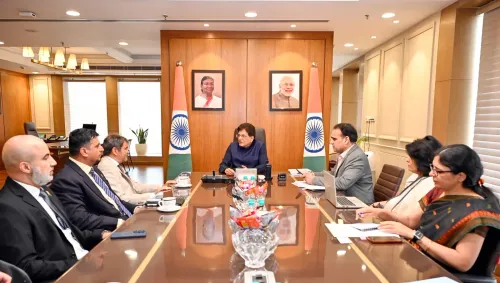
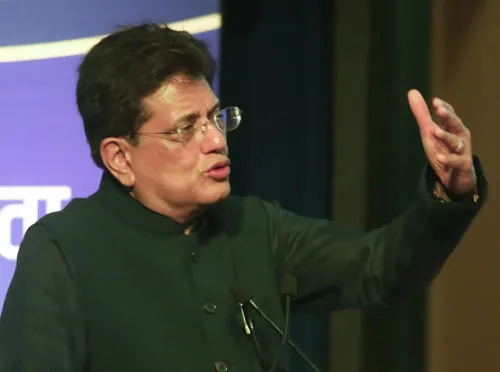
Union Coal and Mines Minister and BJP Telangana president G. Kishan Reddy on Monday, 1 June 2026 welcomed the entry into force of the India-Oman Comprehensive Economic Partnership Agreement (CEPA), calling it a significant step in India's growing economic partnership with Oman under Prime Minister Narendra Modi.
Context
The CEPA grants Indian goods zero-duty access on 98.08% of Oman's tariff lines, covering 99.38% of trade value between the two countries. Kishan Reddy described the agreement as one that 'creates new opportunities for Indian exporters, MSMEs and labour-intensive sectors.'
Beyond goods trade, the agreement opens new professional avenues for IT professionals, engineers, healthcare workers, educators and AYUSH practitioners, while ring-fencing sensitive domestic sectors such as dairy and agriculture from full liberalisation.
Policy Backdrop
The India-Oman CEPA follows the template established by the India-UAE CEPA, which was signed in February 2022 and entered into force in May 2022. That agreement recorded a sharp uptick in India's non-oil exports to the UAE and became the reference model for subsequent Gulf deals.
Since 2022, India has accelerated bilateral trade agreements with Gulf Cooperation Council (GCC) economies to diversify export destinations and attract investment flows. Each agreement has combined wide tariff liberalisation with carve-outs for politically sensitive agricultural products — a pattern the Oman deal continues.
Oman, a GCC member state, has maintained long-standing energy, defence and labour ties with India and hosts a sizeable Indian expatriate community. The CEPA is expected to formalise and deepen those economic links.
Stakeholders and Impact
Indian MSMEs and exporters in labour-intensive manufacturing — including textiles, gems and jewellery, pharmaceuticals and engineering goods — stand to gain the most from near-total tariff elimination on the Omani side. Rules-of-origin compliance will be a key operational requirement for smaller exporters seeking to utilise the preferential rates.
For Indian professionals, the services chapter creates structured pathways into Oman's healthcare, education and technology sectors. AYUSH practitioners — a category covering Ayurveda, Yoga, Unani, Siddha and Homeopathy — feature explicitly in the agreement, reflecting India's push to internationalise its traditional medicine sector.
Domestic dairy and agriculture producers, who have historically resisted broad liberalisation in trade negotiations, retain protection under sector-specific carve-outs, limiting competitive pressure from Omani imports in those categories.
What's Next
Trade data from the Ministry of Commerce and Industry over the next two quarters will be the first measurable indicator of whether the CEPA translates into export growth, as it did after the UAE agreement. Analysts will watch for notifications on rules-of-origin norms and any bilateral joint committee meetings to operationalise the pact.
With the Oman CEPA now live, India's broader Gulf trade architecture is taking shape. Further agreements with other GCC members could follow, reinforcing India's strategy of using bilateral economic pacts to anchor its position as a preferred trade and talent partner across the region.
Point of View
The Oman agreement will become a template argument for accelerating similar pacts with remaining GCC members.
NationPress
15 Oct 2026
Frequently Asked Questions
What is the India-Oman CEPA?
The India-Oman Comprehensive Economic Partnership Agreement (CEPA) is a bilateral trade deal that grants Indian goods zero-duty access on 98.08% of Oman's tariff lines, covering 99.38% of trade value, while also opening Oman's services market to Indian professionals in sectors such as IT, healthcare, education and AYUSH.
When did the India-Oman CEPA come into force?
The India-Oman CEPA entered into force on 1 June 2026 , as announced by Union Minister G. Kishan Reddy.
Who benefits from the India-Oman CEPA?
Indian exporters, MSMEs and labour-intensive industries benefit from near-total tariff elimination on the Omani side. Indian professionals — including IT engineers, healthcare workers, educators and AYUSH practitioners — gain structured pathways to work in Oman under the agreement's services provisions.
Does the India-Oman CEPA affect Indian dairy and agriculture?
No. The agreement includes explicit carve-outs for sensitive sectors such as dairy and agriculture, protecting domestic Indian producers from competitive pressure under the deal.
How does the India-Oman CEPA compare to the India-UAE CEPA?
The India-UAE CEPA, signed in February 2022 and effective from May 2022, served as the template for the Oman deal. Both agreements combine wide tariff liberalisation with agriculture carve-outs; the UAE pact recorded strong growth in India's non-oil exports after entry into force.