Bhupender Yadav Hails India-Oman CEPA as New Trade Era
Synopsis
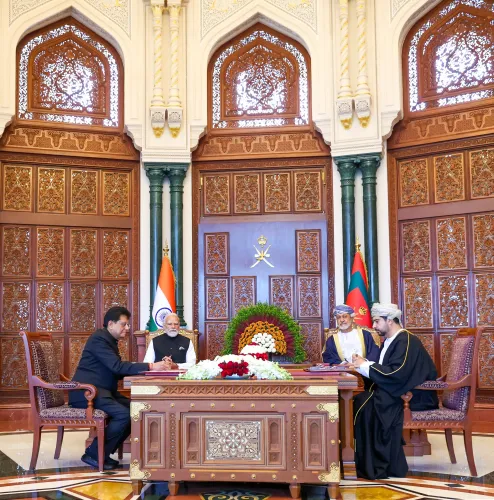
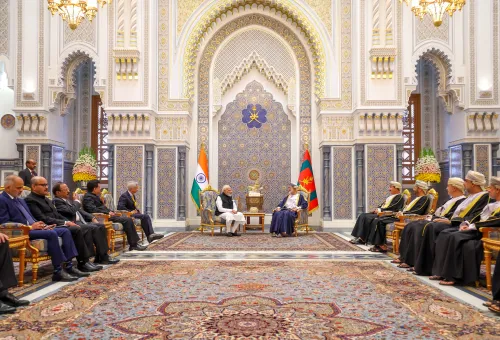
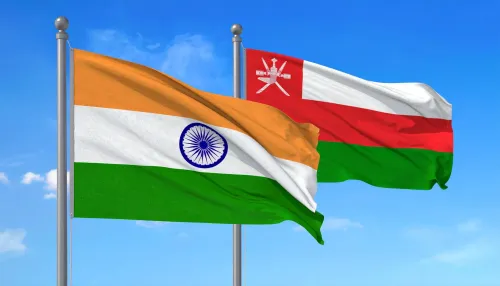
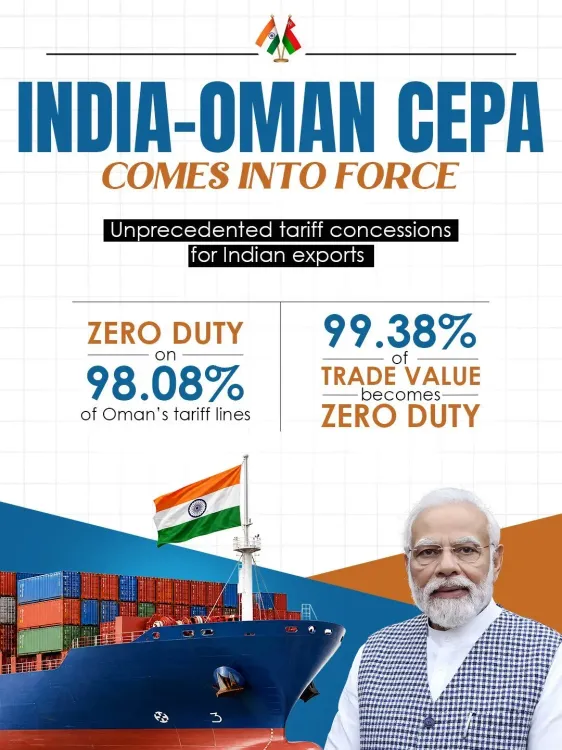
Union Environment Minister Bhupender Yadav on 1 June 2026 welcomed the India-Oman CEPA, calling it a new era of economic partnership envisioned by PM Modi. The pact follows India's CEPAs with the UAE and Australia, extending its Gulf trade diplomacy to Oman, a key GCC gateway with deep diaspora and energy ties to India.
Key Takeaways
Bhupender Yadav publicly endorsed the India-Oman CEPA on 1 June 2026 , describing it as a new milestone in India's trade landscape.
The agreement is framed as part of PM Narendra Modi's vision for expanding India's global economic partnerships.
India previously signed CEPAs with the UAE in February 2022 (covering 90 per cent of tariff lines) and with Australia in April 2022 .
Oman , a GCC member, is a key energy supplier and home to a large Indian diaspora, making the CEPA strategically significant.
Key next steps include parliamentary ratification and formation of a joint committee to oversee tariff concessions and rules of origin.
Indian exporters in textiles, pharmaceuticals, and IT services, along with Omani investors , are among the primary expected beneficiaries.
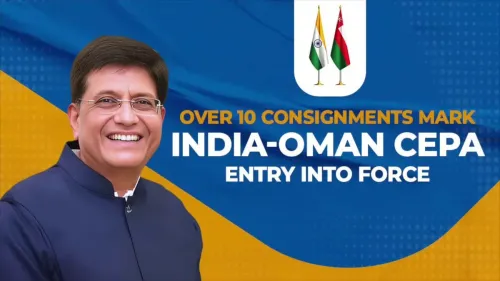
Union Environment Minister Bhupender Yadav on Monday, 1 June 2026 welcomed the India-Oman Comprehensive Economic Partnership Agreement (CEPA), calling it a new milestone in India's global trade landscape and crediting the vision of Prime Minister Narendra Modi for the economic breakthrough.
Context
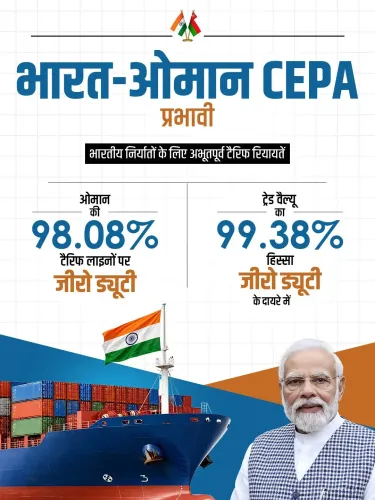
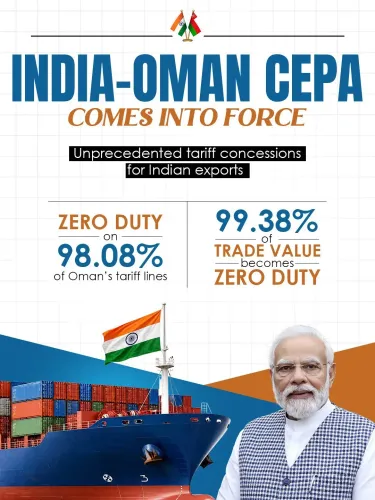
In his post on X, Yadav described the agreement as ushering in 'an era of opportunities for India,' framing the India-Oman CEPA as a landmark in bilateral economic partnership. The minister's endorsement signals broad Cabinet-level enthusiasm for the pact, which is designed to reduce tariffs and expand market access between the two nations. Oman, a member of the Gulf Cooperation Council (GCC), has long maintained deep energy, maritime, and diaspora ties with India.
Policy Backdrop
The India-Oman CEPA is the latest in a series of bilateral trade agreements India has pursued aggressively since 2014. India signed a landmark CEPA with the United Arab Emirates in February 2022, eliminating tariffs on 90 per cent of tariff lines, and concluded an Economic Cooperation and Trade Agreement with Australia in April 2022 covering goods, services, and investment. Earlier agreements with Japan (2011) and South Korea (2010) established the template, but the current wave targets Gulf and Indo-Pacific clusters to diversify export destinations and secure supply chains.
Oman fits this strategic pattern as a stable GCC gateway for Indian goods, services, and energy imports. The agreement reflects New Delhi's broader ambition to deepen economic integration with Gulf partners, a region that is also home to a substantial Indian diaspora and a major source of remittances.
Stakeholders and Impact
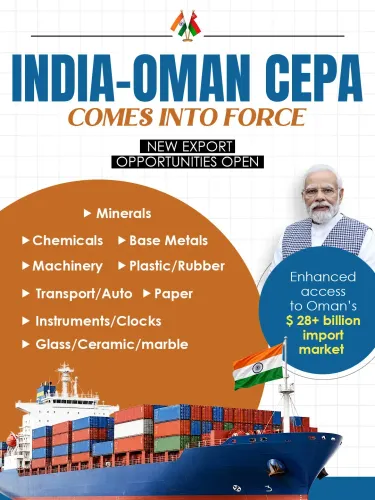
Indian exporters across sectors including textiles, pharmaceuticals, engineering goods, and IT services stand to benefit from improved market access under the CEPA framework. Omani investors are similarly expected to find expanded pathways into the Indian market. The agreement also carries strategic weight for energy security, given Oman's role as a reliable hydrocarbon supplier to India.
For the Indian diaspora in Oman — one of the largest in the Gulf — the closer economic partnership may ease professional mobility and business conditions. Small and medium enterprises on both sides are among the key beneficiaries envisioned under such pacts.
What's Next
Attention will now turn to the parliamentary ratification process and the formation of a joint committee tasked with overseeing tariff concessions and rules of origin under the agreement. The pace of implementation will determine how quickly Indian exporters and Omani investors can operationalise the new market access. The India-Oman CEPA, if executed swiftly, could further cement India's position as a preferred economic partner across the Gulf region, reinforcing the Modi government's trade diplomacy agenda ahead of broader Indo-Pacific and GCC engagement.
Point of View
Not commerce — underscores how the Modi government mobilises its entire Cabinet as a messaging apparatus around trade diplomacy wins. The CEPA fits a deliberate pattern of locking in Gulf partnerships after the UAE breakthrough in 2022, signalling that New Delhi views the GCC as a priority cluster rather than a collection of individual bilateral relationships. For the BJP, such agreements serve a dual purpose: economic optics ahead of electoral cycles and strategic hedging against supply-chain vulnerabilities. The speed of ratification and the depth of tariff concessions will ultimately determine whether the CEPA delivers substantive gains or remains a diplomatic headline.
NationPress
19 Sept 2026
Frequently Asked Questions
What is the India-Oman CEPA?
The India-Oman Comprehensive Economic Partnership Agreement (CEPA) is a bilateral trade pact aimed at reducing tariffs and expanding market access for goods, services, and investment between India and Oman.
When was the India-Oman CEPA announced?
Union Environment Minister Bhupender Yadav publicly welcomed the India-Oman CEPA on 1 June 2026 , describing it as a new milestone in India's global trade landscape.
How does the India-Oman CEPA compare to the India-UAE CEPA?
India's CEPA with the UAE , signed in February 2022 , eliminated tariffs on 90 per cent of tariff lines and served as the template for India's Gulf trade diplomacy, of which the Oman agreement is the latest step.
Who benefits from the India-Oman CEPA?
Indian exporters in sectors such as textiles, pharmaceuticals, engineering goods, and IT services are key beneficiaries, along with Omani investors seeking access to the Indian market and the large Indian diaspora in Oman.
What are the next steps after the India-Oman CEPA?
The agreement must go through a parliamentary ratification process, and a joint committee will be formed to oversee tariff concessions and rules of origin before the pact can be fully operationalised.