Goyal hails India-Oman CEPA as new trade milestone
Synopsis
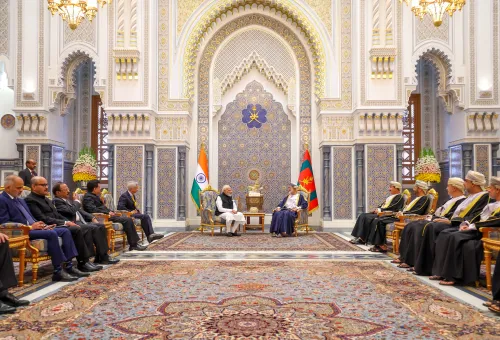
Commerce Minister Piyush Goyal on June 1, 2026, hailed the India-Oman CEPA as a landmark in India's trade strategy, crediting PM Modi's vision. The pact targets tariff cuts across petrochemicals, textiles and pharma, building on India's 2022 UAE CEPA template and a decade-long negotiating effort with the Gulf nation.
Key Takeaways
Union Commerce Minister Piyush Goyal publicly welcomed the India-Oman CEPA on June 1, 2026 , calling it a new trade milestone.
The agreement is framed as part of PM Narendra Modi 's vision to expand India's global trade footprint.
The India-Oman CEPA follows the India-UAE CEPA of February 2022 , which eliminated tariffs on over 80 per cent of product lines.
Negotiations between India and Oman had been ongoing since 2016 , building on a bilateral trade pact from 1993 .
Key beneficiary sectors include petrochemicals, textiles, pharmaceuticals, food processing, and MSME manufacturers.
Oman 's GCC membership positions it as a potential gateway for Indian exports into the broader Gulf market.
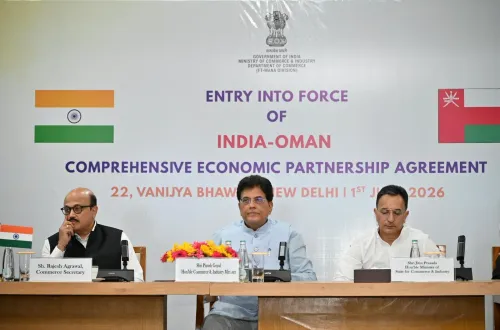
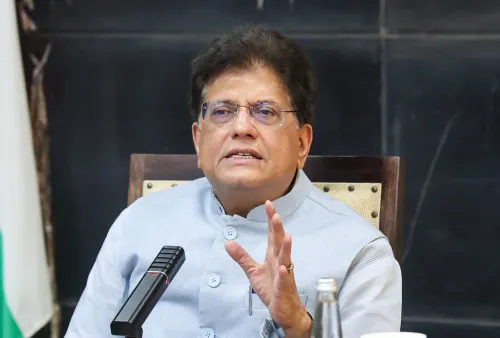
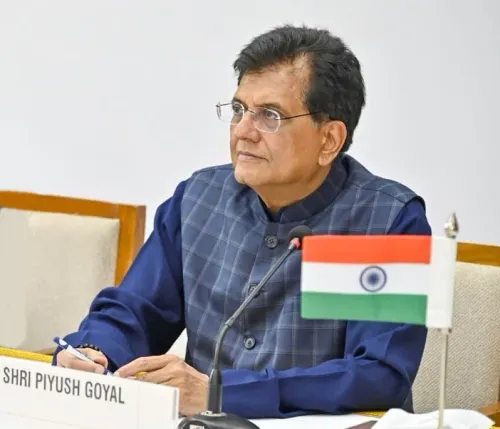
Union Commerce and Industry Minister Piyush Goyal on Monday, June 1, 2026, welcomed the India-Oman Comprehensive Economic Partnership Agreement (CEPA), calling it a new milestone in India's global trade landscape and the dawn of a new era of economic partnership between the two nations.
Context
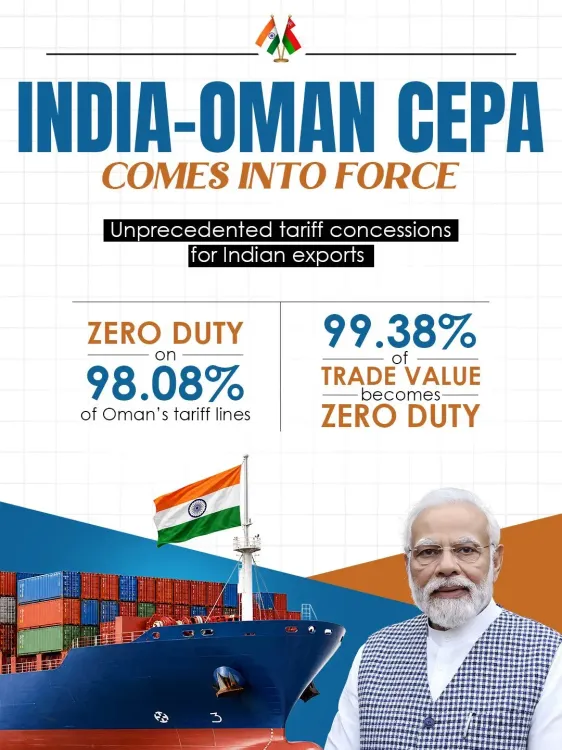
In his post on X, Goyal credited the agreement to the vision of Prime Minister Narendra Modi, describing it as opening 'new opportunities for India.' The CEPA is designed to reduce tariffs, facilitate investment, and expand bilateral trade across sectors including petrochemicals, textiles, pharmaceuticals, and food processing.
Oman, a member of the Gulf Cooperation Council (GCC), has long maintained ties with India through energy trade, maritime links, and a significant Indian diaspora that makes it one of the top destinations for Indian labour in the Gulf region.
Policy Backdrop
The India-Oman CEPA follows a well-established template set by the India-UAE CEPA, signed in February 2022, which eliminated tariffs on over 80 per cent of product lines and became the first such agreement India concluded with a Gulf nation. Negotiations between India and Oman had been under way since 2016, building on a bilateral trade agreement that dates to 1993.
The Ministry of Commerce and Industry, which Goyal leads, has been the nodal body steering these negotiations. Under the current government, India has accelerated its bilateral trade pact strategy, concluding or advancing agreements with Australia, Mauritius, and the UAE since 2020, as part of a broader push to diversify export destinations beyond traditional markets in the United States and the European Union.
Stakeholders and Impact
Indian exporters, MSME manufacturers, and Omani investors are among the primary stakeholders expected to benefit from the agreement. Reduced tariff barriers are anticipated to give Indian goods — particularly in textiles, pharmaceuticals, and processed foods — preferential access to the Omani market.
For Oman, the CEPA offers a channel to deepen investment ties with one of Asia's fastest-growing economies and potentially leverage India as a supply-chain partner in sectors where Oman is expanding its non-oil economic base. The agreement also positions Oman as a potential gateway for Indian trade into the wider Gulf region.
What's Next
Attention will now turn to the parliamentary ratification process, the formal notification of tariff schedules, and the release of early bilateral trade data once the agreement enters into force. Analysts will also watch whether the India-Oman CEPA accelerates momentum toward a broader India-GCC region-wide trade framework, an ambition that has gained traction alongside India's individual Gulf agreements.
With the Gulf accounting for a substantial share of India's energy imports and remittance inflows, a deepened economic architecture with Oman adds both commercial and strategic weight to India's westward trade pivot.
Point of View
One bilateral agreement at a time. By publicly framing the pact around the Prime Minister's vision, Goyal is reinforcing the political ownership of India's trade liberalisation push ahead of any formal ratification debate. The Oman agreement is particularly significant because it extends the UAE CEPA template deeper into the GCC, raising the prospect of a region-wide framework that could reshape India's energy and merchandise trade calculus. The pace of these agreements also signals New Delhi's intent to use bilateral pacts as a hedge against protectionist headwinds in multilateral forums.
NationPress
21 Oct 2026
Frequently Asked Questions
What is the India-Oman CEPA?
The India-Oman Comprehensive Economic Partnership Agreement (CEPA) is a bilateral trade pact aimed at reducing tariffs and facilitating investment between India and Oman across sectors such as petrochemicals, textiles, pharmaceuticals, and food processing.
When was the India-Oman CEPA announced?
Union Commerce Minister Piyush Goyal publicly welcomed the India-Oman CEPA on June 1, 2026, describing it as a new milestone in India's global trade landscape.
How does the India-Oman CEPA compare to the India-UAE CEPA?
The India-UAE CEPA, signed in February 2022, eliminated tariffs on over 80 per cent of product lines and served as the template for subsequent Gulf agreements, including the India-Oman CEPA.
How long have India and Oman been negotiating a CEPA?
India and Oman have been engaged in CEPA negotiations since 2016, building on an earlier bilateral trade agreement that dates back to 1993.
Who benefits from the India-Oman CEPA?
Indian exporters, MSME manufacturers, and Omani investors are among the primary beneficiaries, with reduced tariff barriers expected to improve market access for Indian goods in Oman and open investment opportunities for Omani entities in India.