Tamil Nadu CM Vijay hikes paddy, sugarcane prices; sugarcane hits ₹4,000/tonne first time

Synopsis
Tamil Nadu has crossed a symbolic threshold: for the first time, sugarcane farmers in the state will receive ₹4,000 per tonne — combining the Centre's ₹3,290.50 with a state top-up of ₹709.50. CM Vijay also raised paddy incentives by up to ₹289 per quintal, directly responding to farmer demands over rising input costs.
Key Takeaways
CM Vijay announced revised farm incentives on 10 August under Rule 110 in the Tamil Nadu Assembly.
Fine-variety paddy procurement price set at ₹2,750 per quintal — an additional incentive of ₹289/quintal over MSP.
Common-variety paddy procurement price raised to ₹2,600 per quintal , up by ₹150/quintal over MSP.
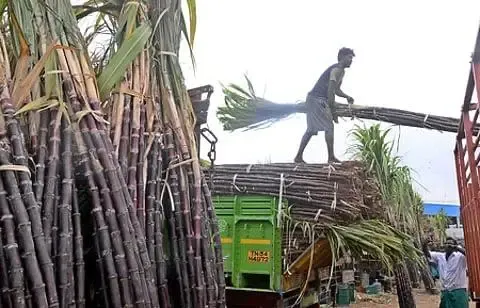
Sugarcane total procurement price reaches ₹4,000 per tonne for the first time in Tamil Nadu, with the state adding ₹709.50/tonne over the Centre's ₹3,290.50 .
Announcements come amid farmer demands to offset rising costs of inputs, labour, and cultivation.
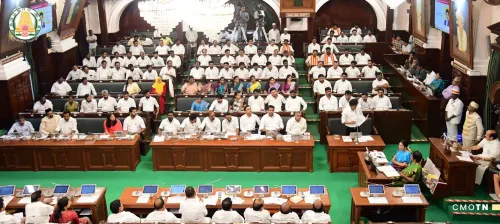
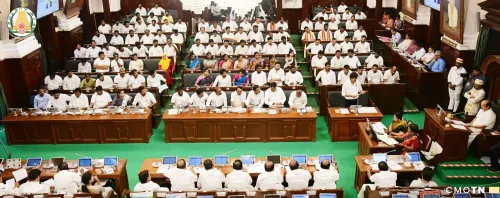
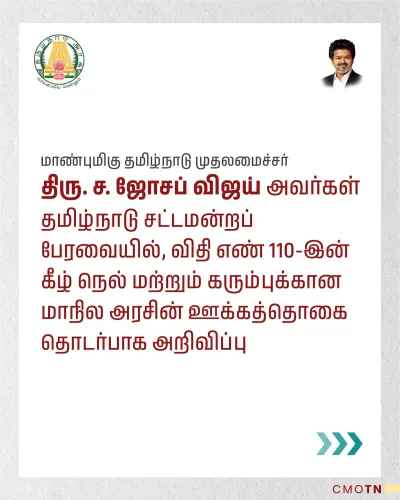
Tamil Nadu Chief Minister Vijay on Monday, 10 August announced higher procurement incentives for paddy and sugarcane farmers in the state, pushing effective prices above the Centre's Minimum Support Price (MSP) and taking sugarcane procurement to a historic ₹4,000 per tonne — the first time the threshold has been crossed in Tamil Nadu. The announcement was made under Rule 110 in the state Assembly.
Revised Paddy Incentives
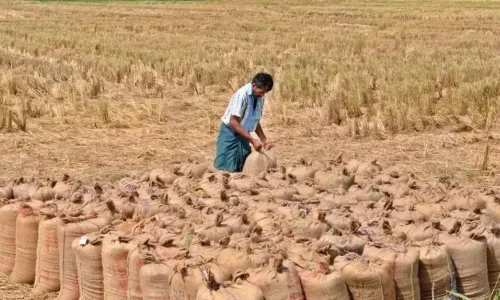
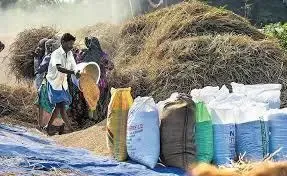
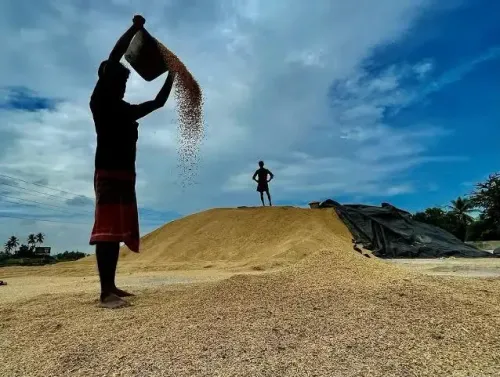
The state government will provide an additional incentive of ₹289 per quintal for fine-variety paddy and ₹150 per quintal for common-variety paddy, over and above the Centre's MSP. Following the revision, farmers supplying fine-variety paddy will receive ₹2,750 per quintal, while those supplying common-variety paddy will receive ₹2,600 per quintal. The enhanced support is intended to reduce financial pressure on cultivators and ensure remunerative returns during the procurement season.
Sugarcane Price Crosses ₹4,000 Per Tonne
On sugarcane, the Centre currently provides ₹3,290.50 per tonne for produce supplied to sugar mills. The Tamil Nadu government will add an incentive of ₹709.50 per tonne, taking the total amount received by farmers to ₹4,000 per tonne. Chief Minister Vijay described this as a landmark — the first time in Tamil Nadu's history that the combined procurement price for sugarcane has reached this level.
Who Benefits and Why It Matters
Paddy is one of Tamil Nadu's principal crops, and government procurement centres are a critical marketing channel for a large share of growers, particularly smallholders who lack direct market access. The revised prices are expected to benefit a significant number of paddy farmers across the state who depend on these centres to sell their harvest at assured prices.
The announcements come amid sustained demands from farmer groups for higher procurement prices to offset rising input costs, including expenditure on fertilisers, labour, and irrigation. Notably, this is a direct state-level response to cost-of-cultivation pressures that have intensified across Tamil Nadu's agricultural districts in recent seasons.
Government's Position
Chief Minister Vijay said his government remained committed to protecting the interests of the farming community and would continue introducing measures aimed at strengthening agriculture and improving rural livelihoods across the state. The revised paddy incentive for common variety, he noted, represents an increase of ₹150 per quintal over the previous rate.
What Comes Next
With procurement season approaching, the revised rates will take effect at government procurement centres. Industry observers and farmer organisations will watch whether the higher incentives translate into improved on-ground procurement volumes and reduced distress sales in open markets.
Point of View
000-per-tonne sugarcane price is a politically significant marker, but the structural question is whether state top-ups can substitute for a long-overdue revision in the Centre's MSP formula. Tamil Nadu's move also underscores a widening pattern: states increasingly filling the gap left by federal procurement prices that have not kept pace with input inflation. The real test will be at the procurement centre level — whether volumes actually increase or whether the revised rates remain aspirational for farmers who cannot access government channels.
NationPress
24 Sept 2026
Frequently Asked Questions
What new paddy prices has Tamil Nadu announced?
Tamil Nadu will provide an additional incentive of ₹289 per quintal for fine-variety paddy and ₹150 per quintal for common-variety paddy over the Centre's MSP. This takes the effective procurement price to ₹2,750 per quintal for fine variety and ₹2,600 per quintal for common variety.
Why is the sugarcane price announcement historic for Tamil Nadu?
It is the first time the combined procurement price for sugarcane has reached ₹4,000 per tonne in Tamil Nadu. The state is adding ₹709.50 per tonne on top of the Centre's ₹3,290.50, crossing this threshold for the first time.
Who will benefit from these revised procurement prices?
Paddy farmers supplying produce to government procurement centres across Tamil Nadu will benefit directly, particularly smallholders who rely on state-run centres. Sugarcane growers supplying to sugar mills in the state will also receive the enhanced rate.
Why did Tamil Nadu raise farm procurement prices now?
The announcements come in response to sustained demands from farmer groups seeking higher prices to offset rising agricultural input costs, including fertilisers, labour, and irrigation expenses, which have squeezed cultivator margins in recent seasons.
Where and how was the announcement made?
Chief Minister Vijay made the announcement on 10 August in the Tamil Nadu Legislative Assembly under Rule 110, which allows ministers and the Chief Minister to make statements on matters of public importance.