Are Protests in Kazakhstan and Other Nations Highlighting Wider Regional Concerns About China's Actions?
Synopsis
Explore how recent protests in Kazakhstan, Nepal, and the Philippines highlight rising regional concerns about China’s activities. This article delves into the implications for international relations and regional diplomacy, revealing a growing awareness and reaction to China’s external influence.
Key Takeaways
The protests signal rising regional concerns over China’s influence.
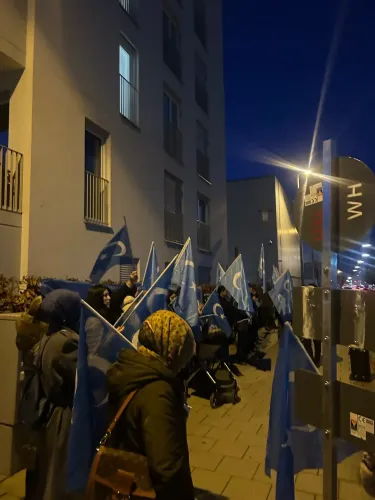
Kazakhstan’s protests were linked to the disappearance of a national after interacting with Chinese border officials.
Public reactions in Nepal and the Philippines highlight broader geopolitical tensions.
International bodies are increasingly monitoring China’s external engagements.
Future diplomatic discussions may be shaped by these developments.
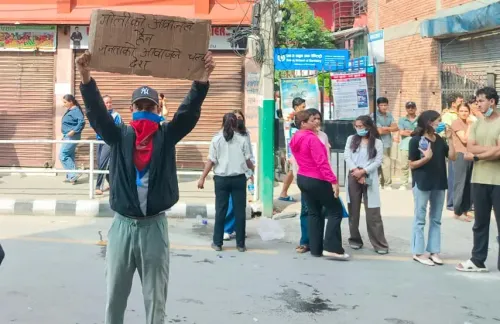
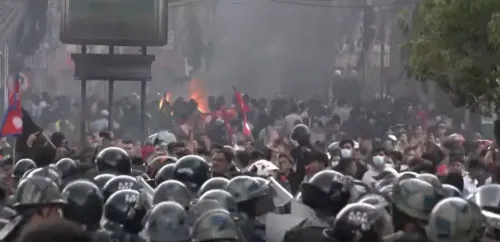
Tashkent, Dec 17 (NationPress) A wave of protests has recently swept through various Asian countries, drawing attention to issues associated with China, and igniting debates on cross-border practices and their effects on global relations. According to a report, the demonstrations in Kazakhstan, Nepal, the Philippines, and several other nations reflect an escalating regional focus on China’s actions beyond its borders.
In Kazakhstan, recent protests were triggered by the unresolved case of Alimur Turganbay, a Kazakh national who disappeared in July 2024 following an encounter with Chinese border officers. Human rights organizations have highlighted additional cases involving Kazakh citizens, intensifying public scrutiny of border-related policies, as reported by the Uzbek online platform Zamin.
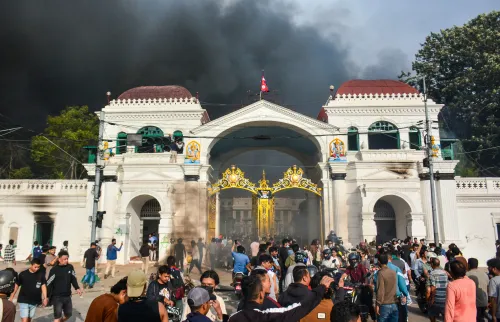
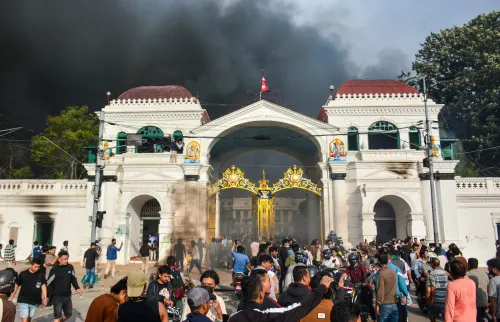
In Nepal, unrest flared when a portrait of the Chinese leader was discovered at the headquarters of the Communist Party of Nepal, leading to public outcry. Meanwhile, demonstrators in the Philippines voiced concerns over maritime tensions at Scarborough Shoal, and activists in South Korea raised alarms about perceived foreign interference in domestic political affairs.
Reports indicate that communication from China may have influenced local reactions, although this has yet to be independently verified. Analysts suggest these events are part of a broader international conversation surrounding China’s external relationships, citing instances such as the 2018 detentions of Canadian citizens Michael Spavor and Michael Kovrig, as well as issues involving exit bans and alleged surveillance of overseas communities.
Europe has also reacted to related concerns, as France's domestic intelligence revealed the closure of nine sites termed informal Chinese 'police stations,' highlighting their potential role in monitoring diaspora groups. Officials further noted ongoing surveillance activities, particularly in relation to Taiwan. In November 2025, China initiated an investigation into Taiwanese legislator Shen Buang, but both the US State Department and Interpol declined to engage, citing the political nature of the inquiry.
G7 nations have similarly expressed unease regarding cross-border pressures and their implications for sovereignty and human rights. Experts emphasize that governments and international organizations have increasingly concentrated on these matters in recent years.
The report from Zamin concluded, 'The protests occurring in Kazakhstan, Nepal, the Philippines, and beyond reflect a heightened regional focus on China's external activities. Observers believe these occurrences might shape future diplomatic talks and policy discussions throughout the Asia-Pacific region.'
Point of View
I recognize that the escalating protests in various Asian nations reflect a significant shift in public sentiment towards China's external activities. It is crucial to monitor these developments closely, as they may reshape diplomatic dialogues and influence policy discussions in the region.
NationPress
20 Sept 2026
Frequently Asked Questions
What sparked the protests in Kazakhstan?
The protests in Kazakhstan were triggered by the unresolved case of Alimur Turganbay, who went missing after an encounter with Chinese border officers.
What were the concerns in Nepal related to China?
In Nepal, protests erupted after a portrait of the Chinese leader was found at the Communist Party's headquarters, leading to public outrage.
How did the Philippines respond to China's actions?
Demonstrations in the Philippines focused on maritime incidents at Scarborough Shoal, highlighting concerns over China's influence in the region.
What has been the international response to China's external activities?
Countries, including those in Europe and the G7, have voiced concerns over China's cross-border pressures and their implications for sovereignty and human rights.
What is the broader significance of these protests?
These protests signal a growing regional awareness of China's external activities and may influence future diplomatic discussions in the Asia-Pacific.