Pune district enforces monsoon safety curbs in Lonavala till July 31
Synopsis
Pune's district administration has clamped down on monsoon tourism in Lonavala with prohibitory orders lasting until 31 July, banning waterfall entry and cliff-edge selfies as heavy rains push Khadakwasla Dam toward 80 per cent capacity, breach the Indrayani River, and trigger a landslide that has paralysed Mumbai-Pune rail traffic.
Key Takeaways
Pune District Collector Jitendra Dudi imposed Section 163 BNSS curbs in Lonavala from midnight 6 July to 6 a.m.
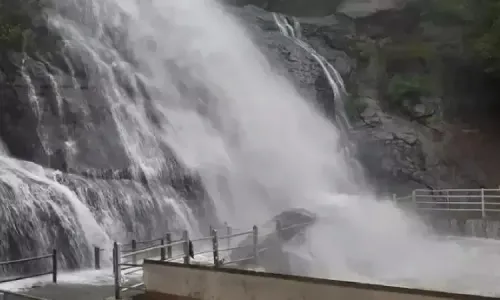
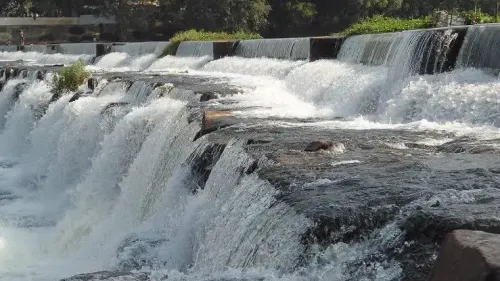
Entry into waterfalls, rivers, streams, and dams is banned; selfies and video shooting at cliff edges are prohibited.
A landslide between Monkey Hill and Khandala (km 121–123) has halted Mumbai-Pune rail services; restoration is underway.
Khadakwasla Dam stood at 32% capacity at 2 p.m. on 6 July and is projected to cross 80% within 24 hours.
The Indrayani River has breached its danger level; 27,847 cusecs are being discharged from the Daund barrage into the Bhima River .
Residents in low-lying areas near the Mutha , Indrayani , and Bhima rivers have been directed to evacuate.
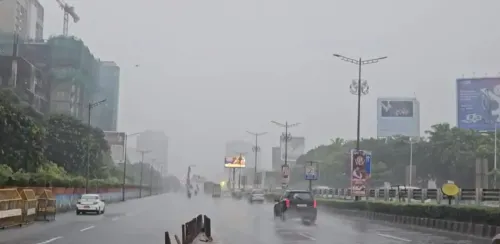
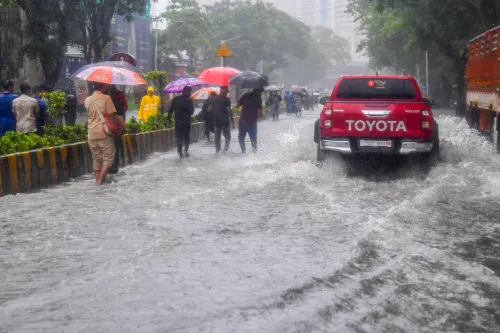
Pune District Collector Jitendra Dudi has imposed prohibitory orders under Section 163 of the Bharatiya Nagarik Suraksha Sanhita (BNSS), 2023, across the Lonavala Police Station jurisdiction, effective from midnight on 6 July until 6 a.m. on 31 July. The move comes as torrential rains lash Mumbai and Pune for a second consecutive day, triggering a critical situation in Lonavala and the adjoining Mawal taluka.
What the Restrictions Cover
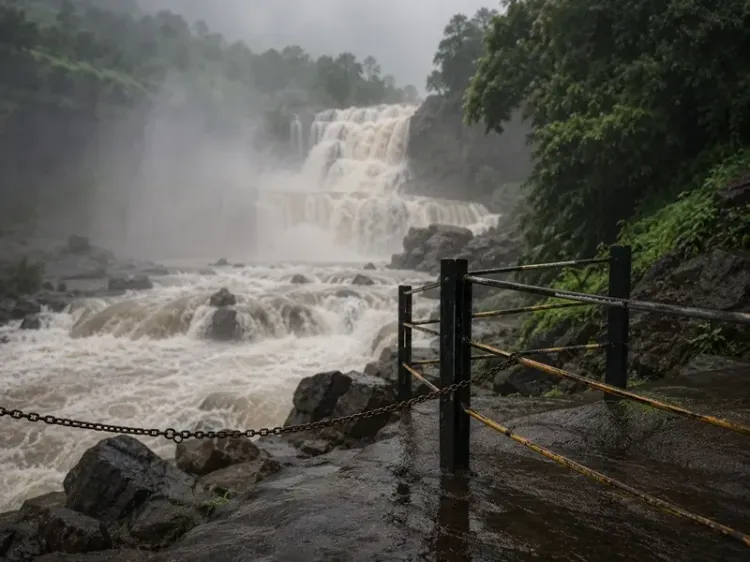
Dudi clarified that the order does not amount to a blanket tourism ban but enforces strict safety regulations at high-risk locations. Tourists are barred from entering waterfalls, streams, rivers, and dams. Photography, selfies, and video shooting at dangerous cliff edges are strictly prohibited.
Alcohol consumption, noise pollution, and littering at tourist spots have also been banned. Four-wheelers and six-wheelers are prohibited from accessing areas adjacent to dams and riverbanks. The administration has warned that legal action will be taken against those violating the guidelines, including for harassment of women and reckless driving.
'Section 163 is active from midnight, July 6, until 6 a.m., July 31. Entry into waterfalls, streams, rivers and dams is strictly banned. Photography, selfies and video shooting are prohibited at dangerous cliff edges. There is a complete ban on entering natural waterfalls. Alcohol consumption, noise pollution and littering at tourist spots are strictly forbidden,' Dudi said.
Popular Spots Under Watch
Destinations including Ekvira Devi Temple, Bhushi Dam, Lion's Point, Tiger Point, Pawna Dam, Lohagad, Visapur, Tikona, and Tung Fort have been witnessing heavy tourist footfall during the monsoon season. The administration stepped in as rising rainfall elevated the risk of fatal accidents at these sites.
Landslide Halts Mumbai-Pune Rail Traffic
The heavy downpour has severely disrupted Mumbai-Pune rail services. A massive landslide struck between Monkey Hill and Khandala stations in the Lonavala-Karjat South-East Ghat section, around km 121 and 123, sending boulders, rocks, and mud debris crashing onto the tracks and bringing services to a complete halt.
Central Railway's engineering division deployed hundreds of workers and heavy machinery for restoration on a war footing. Relentless rain and thick fog in the ghats are hampering progress, though railway authorities say every effort is being made to restore traffic at the earliest.
Dam Levels Rising, Flood Alert Issued
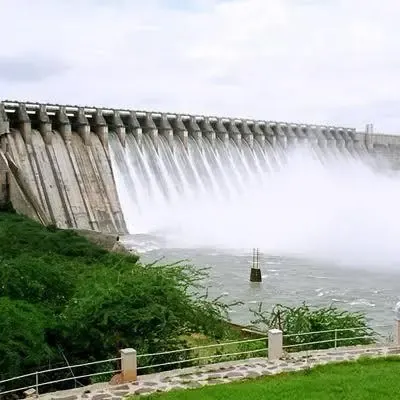
The Khadakwasla Dam — considered the lifeline of Pune — had filled to 32 per cent of its capacity by 2 p.m. on 6 July. Given intense rainfall in the catchment areas, the dam is projected to reach 80 per cent or more of its capacity within 24 hours. If the inflow continues at this rate, water could be released into the Mutha riverbed from the spillway at short notice.
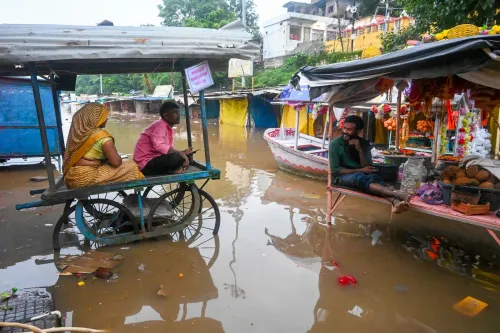
The Water Resources and Irrigation Department has issued a high alert to villages along the riverbanks and residents in low-lying areas, urging them to avoid the river and move livestock and valuables to safer ground. The Indrayani River has already breached its danger level, with surging water flowing directly into the Bhima River. Water is being discharged from the Daund barrage into the Bhima riverbed at 27,847 cusecs, causing the Ujani Dam — a key water source for Solapur and Pune districts — to rise rapidly.
Irrigation Department officials and disaster management teams are monitoring the situation round the clock. Local authorities have directed residents in flood-prone zones along the riverbanks to evacuate immediately.
Point of View
The combination of scenic waterfalls, easy highway access, and social-media-driven selfie culture turns the Western Ghats into an accident zone. Imposing Section 163 is administratively sound, but enforcement at dispersed natural sites remains the hard part — last year's fatalities at similar spots suggest that signage and warnings alone have not worked. The more urgent story, however, is hydrological: Khadakwasla hitting 80 per cent within 24 hours of a season barely underway signals that Pune's flood management infrastructure will face its real test in the weeks ahead, not just its tourist-safety protocols.
NationPress
5 Oct 2026
Frequently Asked Questions
What restrictions has Pune imposed in Lonavala for the monsoon?
Pune District Collector Jitendra Dudi has enforced Section 163 of the BNSS, 2023, banning entry into waterfalls, rivers, streams, and dams, and prohibiting photography, selfies, and video shooting at dangerous cliff edges. The order is in force from midnight 6 July to 6 a.m. 31 July and also bans alcohol, littering, and noise pollution at tourist spots.
Is tourism completely banned in Lonavala during this period?
No, the District Collector clarified that Section 163 does not impose a blanket tourism ban. Tourists may visit Lonavala but are barred from entering hazardous waterfalls, viewpoints, and riverbanks, and must follow all safety guidelines or face legal action.
Why have Mumbai-Pune rail services been disrupted?
A massive landslide between Monkey Hill and Khandala stations in the Lonavala-Karjat South-East Ghat section (around km 121 and 123) sent boulders and mud debris onto the tracks, bringing services to a standstill. Central Railway has deployed workers and machinery for restoration, though heavy rain and fog are slowing progress.
What is the flood situation at Khadakwasla Dam?
Khadakwasla Dam, the primary water source for Pune, had filled to 32 per cent of its capacity by 2 p.m. on 6 July and is projected to exceed 80 per cent within 24 hours. The Water Resources Department has issued a high alert to riverbank villages and low-lying areas, warning that water may be released into the Mutha riverbed at short notice.
Which rivers are on flood alert in Pune district?
The Indrayani River has breached its danger level, with water surging into the Bhima River. The Daund barrage is releasing 27,847 cusecs into the Bhima riverbed, causing the Ujani Dam — a key source for Solapur and Pune districts — to rise rapidly. Residents near the Mutha, Indrayani, and Bhima rivers have been asked to evacuate.