Punjab Chief Secretary apologises to HC in DA case, contempt matter referred
Synopsis
Punjab's top bureaucrat offered an unconditional apology to the Punjab and Haryana High Court after the state's representation about filing a Supreme Court appeal was contradicted by the Supreme Court Registry itself — which showed unresolved defects in the SLP. The court refused to let the apology close the matter and has referred it to a roster bench for possible criminal contempt proceedings.
Key Takeaways
Punjab Chief Secretary KAP Sinha tendered an unconditional apology before the Punjab and Haryana High Court on 9 October 2026 .
The apology came in the ongoing dearness allowance (DA) case after the court questioned a statement made by Sinha about the state's SLP before the Supreme Court.
A Supreme Court Registry report revealed that appeals by the Punjab government and PSPCL continued to suffer from unresolved defects, contradicting the Chief Secretary's earlier representation.
A division bench of Chief Justice Ashwani Kumar Mishra and Justice Rohit Kapoor directed the contempt matter be placed before the appropriate roster bench.
The next hearing is scheduled for 12 October .
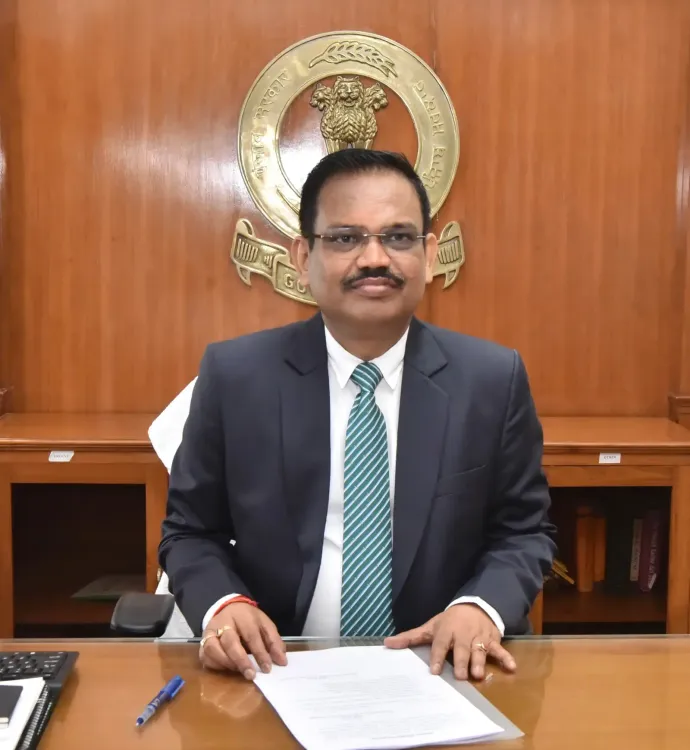
Punjab Chief Secretary KAP Sinha on Friday, 9 October 2026, tendered an unconditional apology before the Punjab and Haryana High Court in the ongoing dearness allowance (DA) case, even as the court directed that the matter concerning alleged non-compliance with its orders and possible criminal contempt be placed before the appropriate roster bench for further adjudication.
What Happened in Court
State counsel Vikas Singh submitted before the bench that there was no deliberate intention on the part of the Chief Secretary to make a false statement regarding the removal of defects in the state government's special leave petition (SLP) before the Supreme Court. Singh indicated that Sinha was willing to tender an unconditional apology if the court so required.
A division bench comprising Chief Justice Ashwani Kumar Mishra and Justice Rohit Kapoor acknowledged the offer but emphasised that the dignity and authority of the judiciary had to be protected at all costs.
The Core Controversy
The dispute originated after the High Court questioned a statement made by the Chief Secretary regarding the status of the Punjab government's appeal against the August 3 judgment in the DA matter. The state had informed the High Court that it had approached the Supreme Court through an SLP.
However, a report obtained from the Supreme Court Registry revealed that the appeals filed by both the Punjab government and the Punjab State Power Corporation Ltd (PSPCL) continued to suffer from unresolved defects — directly contradicting the earlier representation made to the court.
What the Bench Said
The division bench was unequivocal in its stand on judicial authority. 'This court is enjoined with the task of ensuring that majesty of the court is not compromised in any way. Even suggestions questioning the propriety or conduct of proceedings have to be dealt with carefully,' the bench observed.
It added: 'In such circumstances we deem it appropriate to direct this matter to be placed before the court, having jurisdiction as per roster, to deal with such matters.' The bench accordingly directed that the contempt-related matter be listed before the bench competent under the roster to handle such proceedings.
What Happens Next
The case has been listed for hearing on 12 October. The referral to a roster bench with contempt jurisdiction signals that the High Court is treating the alleged misrepresentation seriously, moving beyond accepting the apology as a sufficient remedy. The outcome could have significant implications for senior state bureaucrats who make representations to superior courts on behalf of their governments.
Point of View
It could set a precedent for how superior courts treat bureaucratic misstatements made in the course of litigation — a precedent with consequences well beyond Punjab.
NationPress
9 Oct 2026
Frequently Asked Questions
Why did Punjab Chief Secretary KAP Sinha apologise to the High Court?
KAP Sinha offered an unconditional apology after the Punjab and Haryana High Court questioned a statement he had made about the Punjab government filing an SLP before the Supreme Court. A report from the Supreme Court Registry showed the appeal still had unresolved defects, contradicting the representation made to the court.
What is the dearness allowance case about?
The case relates to a Punjab and Haryana High Court judgment dated August 3 concerning dearness allowance. The Punjab government and PSPCL challenged this verdict by filing appeals before the Supreme Court, but those appeals reportedly continued to carry defects that had not been rectified.
What did the High Court order in the 9 October hearing?
A division bench comprising Chief Justice Ashwani Kumar Mishra and Justice Rohit Kapoor directed that the matter concerning alleged non-compliance and possible criminal contempt be placed before the bench having jurisdiction under the court's roster. The next hearing is on 12 October.
Could the Punjab Chief Secretary face criminal contempt proceedings?
The court has directed the matter to be placed before a bench competent to deal with contempt proceedings, indicating criminal contempt remains a live possibility. The outcome will depend on the findings of the roster bench at the 12 October hearing.
What is the significance of the Supreme Court Registry report?
The report from the Supreme Court Registry directly contradicted what the state had told the High Court — that it had approached the Supreme Court through an SLP. The registry document showed the appeals by Punjab and PSPCL still suffered from defects, which the High Court found to be a potential misrepresentation warranting further scrutiny.