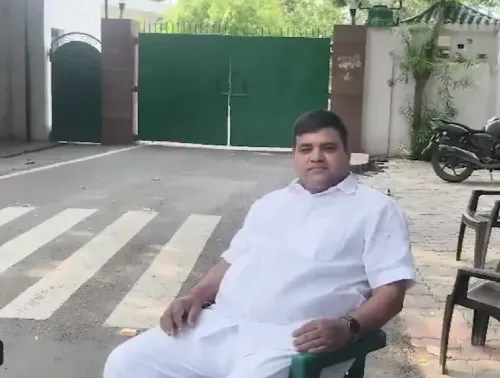
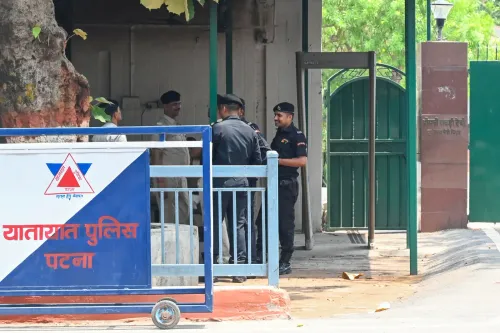
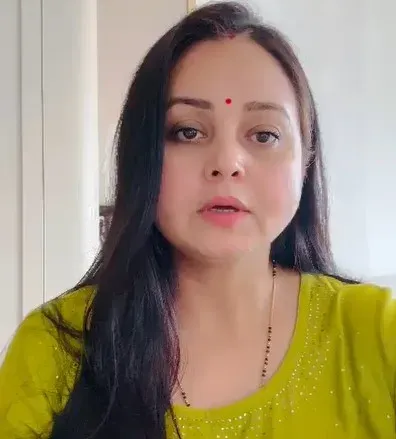
Rabri Devi, Lalu Prasad lose Z+ security in Bihar; Opposition cries political vendetta
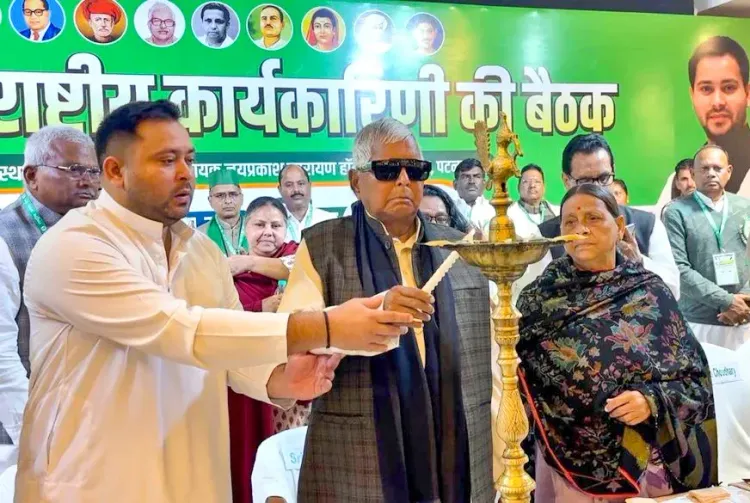
Synopsis
Bihar's BJP government pulled Z+ security from Rabri Devi and Lalu Prasad Yadav — and the political fallout was immediate. The Opposition called it textbook vendetta; the NDA called it routine rule-following. With Bihar elections approaching, the battle over bodyguards has become a proxy war over democratic norms.
Key Takeaways
The Bihar government under CM Samrat Choudhary withdrew Z+ security cover from former CM Rabri Devi and RJD chief Lalu Prasad Yadav on 6 June .
Rabri Devi returned all security personnel from her official residence following the withdrawal.
Tej Pratap Yadav denied his mother voluntarily surrendered security, alleging personnel were 'pressurised' to leave.
RJD MP Manoj Kumar Jha and Congress leader Arif Naseem Khan called the move 'political vendetta' that 'weakens democracy'.
Union Minister Giriraj Singh and BJP Bihar President Sanjay Saraogi defended the decision as rule-based, saying the government remains open to providing cover as per norms.
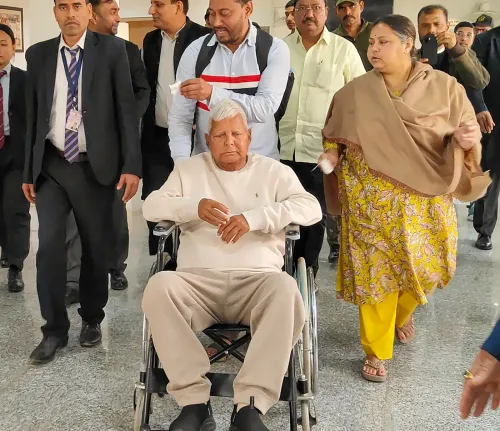
The Bharatiya Janata Party (BJP)-led Bihar government's decision to withdraw Z+ security cover from former Chief Minister Rabri Devi and Rashtriya Janata Dal (RJD) supremo Lalu Prasad Yadav triggered a sharp political row on Saturday, 6 June, with Opposition INDIA bloc leaders accusing the ruling dispensation of using security as a tool of political vendetta. Rabri Devi subsequently sent back all security personnel deployed at her official residence, escalating the confrontation.
What Happened
Chief Minister Samrat Choudhary's government revoked the Z+ protection extended to both leaders, citing eligibility criteria under government security rules. Within hours, Rabri Devi returned all personnel stationed at her residence — a move that drew competing interpretations from the two sides of the political divide.
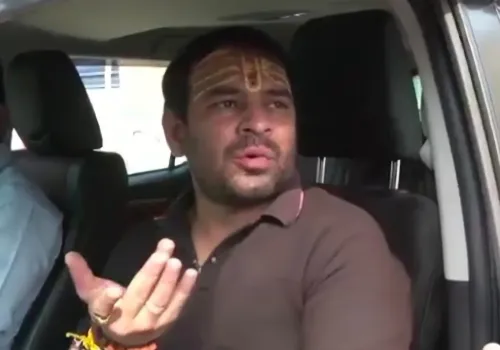
Janshakti Janta Dal President Tej Pratap Yadav flatly rejected the government's framing, saying his mother had not voluntarily surrendered protection. 'My mother has not surrendered any security. The security personnel were removed because they were being pressurised,' he said.
Opposition Pushes Back Hard
RJD MP Manoj Kumar Jha launched a sharp attack on the state government. 'Nothing could be more unfortunate than this if the security of Lalu Prasad and Rabri Devi, who are former Chief Ministers of Bihar, are made a tool of political vendetta. What will be achieved by doing so?' he said.
Purnea MP Pappu Yadav accused the BJP government of using the issue to divert attention from substantive concerns, urging Tejashwi Yadav not to dignify it with prolonged debate. 'The government always targets the Opposition. It does not have any other issue,' he said.
Congress leader Arif Naseem Khan described the development as 'unfortunate' and 'condemnable', warning of a broader pattern. 'The way the Bharatiya Janata Party, whether at the Central government level or at the state level, is trying to suppress Opposition leaders and intimidate them is deeply concerning. It is weakening the country's democracy piece by piece,' he said, adding that leaders facing genuine security threats must be provided proper protection.
NDA's Defence: Rules, Not Rivalry
Union Minister Giriraj Singh dismissed the controversy, insisting that security allocation is governed by established criteria. 'If someone falls under those rules, then they are provided security. But the government says they do not fall under those criteria, so how can security be provided?' he said. Taking a pointed jab, Singh added that if security had become a 'status symbol' for the RJD leaders, Lalu Prasad should approach Chief Minister Choudhary directly.
Bihar BJP President Sanjay Saraogi struck a more conciliatory note, saying the government remained 'ready to provide security in their capacity as former Chief Ministers' if the two leaders wished to accept it.
Janata Dal (United) spokesperson Rajeev Ranjan Prasad called the episode 'an effort to intentionally create differences', arguing that the government's security assessment process 'must be respected'. Rashtriya Lok Morcha chief and MP Upendra Kushwaha said the government had taken necessary action, and the return of security personnel was a reactive decision by the RJD leaders.
Broader Context
The dispute comes amid an already fraught relationship between the Bihar NDA government and the RJD-led Opposition, with both sides trading accusations over governance and political targeting. Security cover for former Chief Ministers has periodically become a flashpoint in Indian state politics, often surfacing when ruling and Opposition parties are in open conflict. This is not the first time in recent years that a state government's security review has been read through a political lens rather than a purely administrative one.
With the Bihar assembly elections on the horizon, the episode is likely to sharpen Opposition messaging around democratic norms and the treatment of political rivals.
Point of View
With every INDIA bloc faction weighing in within hours. The BJP's 'status symbol' framing is a tactical own goal: it shifts the story from eligibility criteria to mockery of former Chief Ministers, which is harder to defend in a state where the Yadav vote bloc remains decisive. The real question — whether the threat assessment for Lalu Prasad and Rabri Devi was genuinely reviewed on merit or expedited for political effect — has not been answered by either side.
NationPress
21 Oct 2026
Frequently Asked Questions
Why was Z+ security withdrawn from Rabri Devi and Lalu Prasad Yadav?
The Bihar government under Chief Minister Samrat Choudhary revoked the Z+ security cover, stating that both leaders no longer meet the eligibility criteria under government security rules. No specific threat assessment details have been made public.
Did Rabri Devi voluntarily surrender her security?
The BJP-led government and its allies have characterised it as a voluntary surrender, but Tej Pratap Yadav denied this, saying security personnel were 'pressurised' to leave his mother's residence rather than being sent back by choice.
What has the Opposition said about the security withdrawal?
INDIA bloc leaders have called it 'political vendetta', with RJD MP Manoj Kumar Jha questioning what purpose it serves and Congress leader Arif Naseem Khan warning it is 'weakening the country's democracy piece by piece'.
What is the BJP's position on the controversy?
Union Minister Giriraj Singh said security is provided strictly per government rules, and if the two leaders do not meet the criteria, cover cannot be extended. Bihar BJP President Sanjay Saraogi added that the government remains ready to provide security in their capacity as former Chief Ministers if they wish to accept it.
What happens next in this dispute?
The row is likely to intensify as Bihar moves closer to assembly elections. The Opposition is expected to use the episode to build a narrative around political targeting, while the NDA will attempt to keep the focus on procedural compliance.