KL Rahul's unbeaten 129 vs West Indies: 'Batting time was key for World Cup prep'
Synopsis
KL Rahul's unbeaten 129 against the West Indies told only half the story — behind the century was a batter methodically stress-testing his middle-order game ahead of the 2027 World Cup, nine months after his last long ODI innings. India won the series 2-1, but the bigger takeaway may be their emerging conviction that 350 is no longer a safe total.
Key Takeaways
KL Rahul scored an unbeaten 129 in the third ODI against the West Indies on 4 October 2026 .
India won the bilateral series 2-1 but lost the third match after conceding a chase of 352 .
Rahul said his last prolonged middle-order ODI innings was in early January 2026 against New Zealand — a gap of roughly nine months.
He flagged the ball-change rule introduced around 18 months ago as making death-over batting significantly harder for middle-order players.
India's team management is actively testing personnel and targeting scores of 370-400 as the new benchmark ahead of the ICC World Cup 2027 .
Key players Jasprit Bumrah and Axar Patel were absent, giving fringe players extended opportunities in the series.
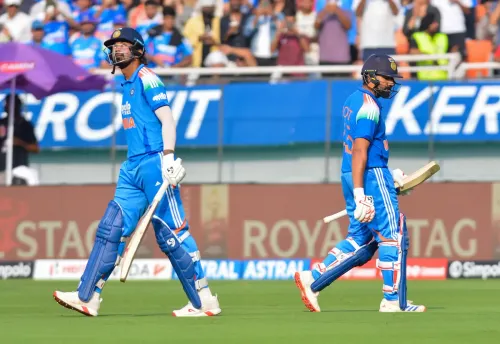
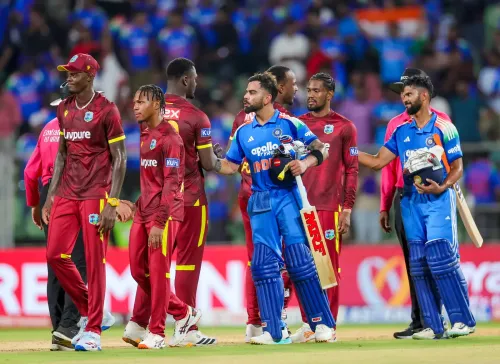
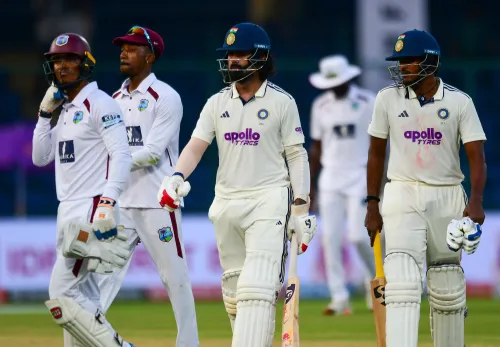
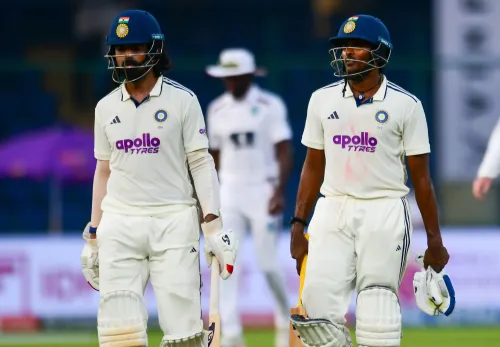
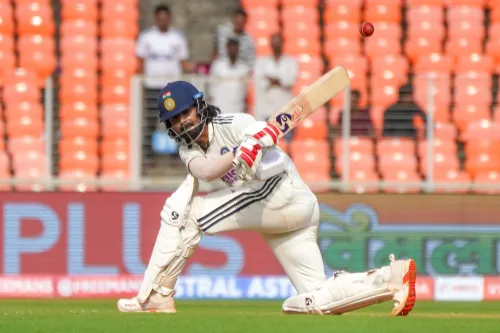
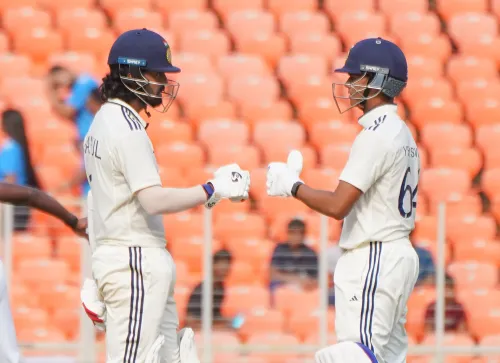
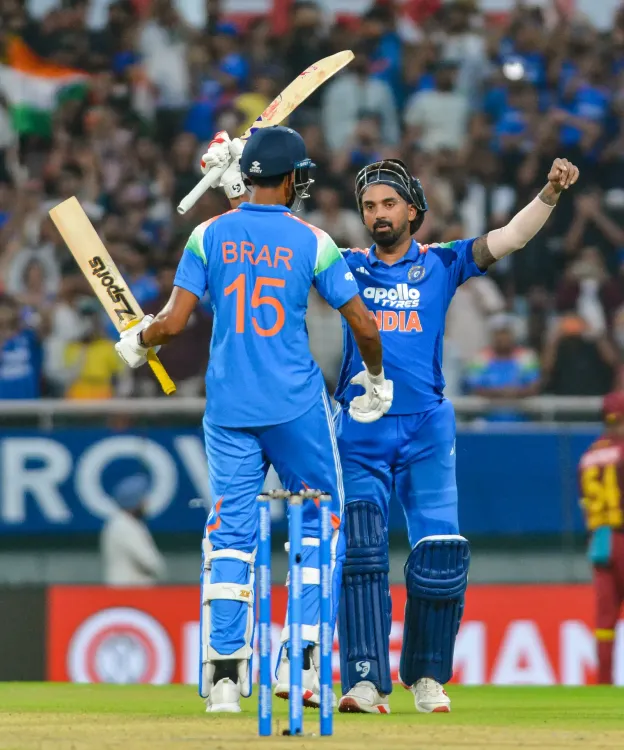
KL Rahul struck an unbeaten 129 in the third ODI against the West Indies on 4 October 2026, but the wicketkeeper-batter made clear the innings mattered as much for the time spent in the middle as for the scorecard figures, with India already sharpening preparations for the ICC Men's Cricket World Cup 2027. The knock came in a match India eventually lost as the West Indies successfully chased 352, denying the visitors a series clean sweep. India still secured a 2-1 series win.
Why the Innings Mattered Beyond the Runs
Rahul acknowledged mixed emotions after the contest, noting that personal milestones ring hollow without team success. 'Happy to have scored 129 runs but disappointed that we couldn't clean sweep the series. Had we done that, then the happiness level would have been at the peak,' he said in an interview with JioStar.
The more significant point for Rahul, however, was the extended stay at the crease. By his own account, the last time he batted for a prolonged period in ODI cricket from the middle order was in early January 2026 against New Zealand — leaving a gap of nearly nine months without a long innings in that role. 'It was important for me to get some batting time, so I'm happy about that,' he said.
The Challenge of the Older Ball at Number Five
Rahul, who spent most of his international career opening the batting, has had to recalibrate his game significantly since shifting to number five and number six. He pointed specifically to the impact of the ball-change rule — introduced roughly 18 months ago — which has made scoring freely in the death overs considerably harder.
'In the last year and a half, since the ball change rule has happened, it's been very different. It's not been easy to get 80-90 in the last 10 overs. The ball's been getting reverse swing,' he said, adding that as a natural top-order batter who prefers a hard ball, adapting to the soft, reversing ball remains an ongoing work in progress. 'I've always batted top of the order, and I like the hard ball coming onto me, I can use the pace. So that's something I've been working on — trying to play with softer, older balls and being able to hit sixes with that.'
India's World Cup Ambitions and Team Experimentation
With the ICC Men's Cricket World Cup 2027 scheduled to begin in October 2027, India's team management has been treating bilateral series as auditions for personnel and game plans. The absence of key players — including pace spearhead Jasprit Bumrah and all-rounder Axar Patel — in this series created space to test fringe options. Rahul noted that the coaching staff and captain have been deliberately giving 'a longer rope to certain players who we feel might be important for the World Cup.'
The tactical conversation has also moved beyond defending totals. India set a target of 352 but still conceded the match, prompting reflection on whether 330-340 is genuinely competitive in modern ODI cricket. 'We're seeing that 340s and 350s get chased down very easily in one-day cricket. So how can batters, once set, keep pressing on and get 370s and 380s, or push for 400 on a given day,' Rahul said, framing an aggressive accumulation model as the next frontier for the batting unit.
The Road to the 2027 World Cup
Rahul was candid that match situations — rather than training sessions alone — are the only reliable testing ground for technical adjustments. 'Off the field I'm trying a few things and I want to test that in the game. And only then will you know whether the work that you're putting behind the scenes is working or not,' he explained. The middle-order batter's immediate focus is on rotating strike efficiently and maintaining a boundary-every-six-or-seven-balls tempo from the moment he arrives at the crease — a demanding metric that requires precise calibration between consolidation and aggression.
India's next assignments in the lead-up to the 2027 World Cup will be closely watched to see whether Rahul can convert these preparatory innings into consistent, match-winning contributions under pressure.
Point of View
But India's World Cup aspirations rest on Rahul solving it decisively, not incrementally. More telling is the team's emerging admission that 350 is no longer a winning total: if India's new internal target is 370-400, their middle-order run-rate expectations will have to shift dramatically, and one encouraging innings in a series they still lost partly does not confirm that shift has arrived.
NationPress
4 Oct 2026
Frequently Asked Questions
What score did KL Rahul make in the third ODI against the West Indies?
KL Rahul scored an unbeaten 129 in the third ODI against the West Indies on 4 October 2026. Despite the knock, India lost the match after West Indies successfully chased down 352, though India still won the series 2-1.
Why did KL Rahul say the innings was important beyond just the runs?
Rahul said the innings was crucial for match preparation ahead of the ICC Men's Cricket World Cup 2027, as it gave him extended batting time in the middle order — something he had not had since early January 2026 against New Zealand. He is working on technical adjustments that can only be properly tested in match conditions.
What challenge has the ball-change rule created for KL Rahul's batting?
Since the ball-change rule was introduced roughly 18 months ago, Rahul says it has become significantly harder to score freely in the final 10 overs, with the older ball generating reverse swing. As a natural top-order batter who prefers a hard ball, he has been specifically working on hitting sixes with a softer, older ball.
What is India's new scoring target ahead of the 2027 World Cup?
India are recalibrating their batting ambitions, with Rahul indicating the team believes 340-350 is no longer a safe total in modern ODI cricket. The goal now is for set batters to push on towards 370, 380, or even 400 on a given day.
Who were the key players missing for India in the West Indies ODI series?
Pace bowler Jasprit Bumrah and all-rounder Axar Patel were absent from the series. Rahul noted their absence gave India's management an opportunity to give longer opportunities to fringe players being considered for the 2027 World Cup squad.