Rajasthan police detain 24 CJP protesters ahead of Delhi march, 12 trains cancelled
Synopsis
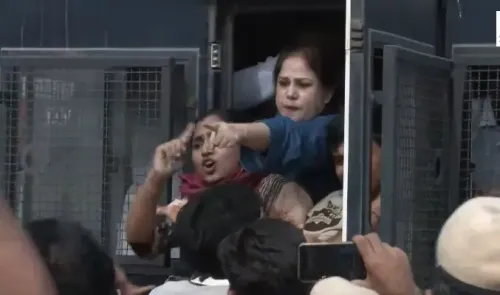
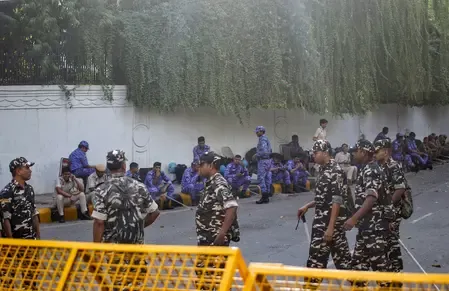
Rajasthan Police detained 24 CJP supporters in Jaipur before they could reach Delhi for the party's protest on 10 October, while the Railways scrapped 12 trains on Rajasthan routes citing anticipated disruptions. Party leaders allege assault and coercion; police deny any formal detention or wrongdoing — a direct conflict of accounts that raises pointed questions about the limits of preventive policing ahead of political demonstrations.
Key Takeaways
Rajasthan Police detained 24 people in Jaipur on 10 October 2026 ahead of a CJP protest in Delhi.
Detentions were reported across East , South , and North district police zones; similar action was allegedly taken in Sikar and Alwar .
CJP leaders Deepak Baliyan and Ashutosh Ranka alleged coercion, assault, and mobile phone confiscation — all denied by police.
Police cited the imposition of Section 163 in Delhi as the basis for preventive counselling operations.
The Railways cancelled 12 trains and rescheduled two others by five hours each on routes including Sabarmati , Udaipur , Sri Ganganagar , and Delhi .
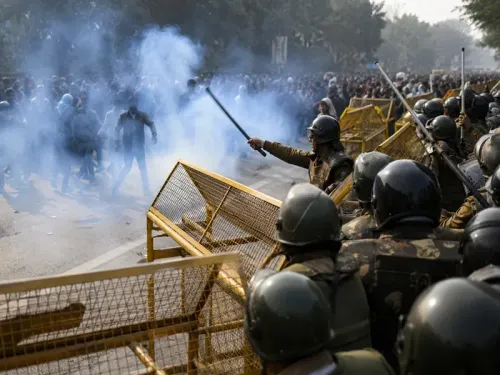
Rajasthan Police on 10 October 2026 detained 24 people in Jaipur who were preparing to travel to Delhi for a demonstration organised by the Chandravijay Party (CJP), triggering allegations of heavy-handed pre-emptive action and prompting the Railways to cancel 12 trains operating through the state. Reports of similar preventive action in Sikar and Alwar districts have also surfaced, broadening the controversy.
Detentions Across Jaipur Districts
By Friday night, police across Jaipur's three administrative zones had moved against individuals planning to join the protest. According to reports, the East District Police bound over eight people, the South District Police another eight, and the North District Police one individual. The action was described by authorities as a preventive measure aimed at maintaining law and order and pre-empting any untoward incidents.
In Sikar district, advocate Surendra, also known as Sanju Verma, was allegedly detained at his residence in the Reengus area on Friday as he prepared to depart for Delhi.
Allegations of Assault and Coercion
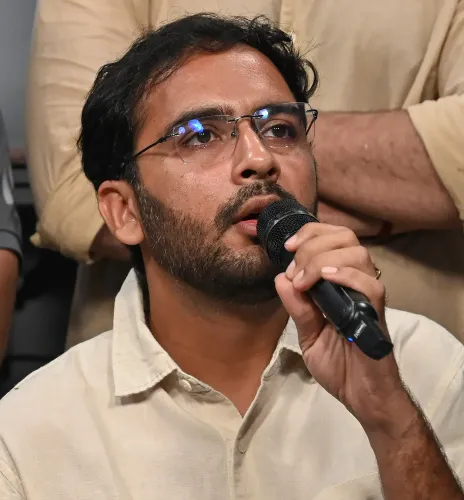
CJP organisational co-in-charge Deepak Baliyan alleged that police personnel took him from his residence in Mankheda village late Thursday night and brought him to the Govindgarh Police Station area. He claimed he was pressured to withdraw from the protest, that a scuffle took place, and that his mobile phone was confiscated.
Party co-in-charge Ashutosh Ranka similarly alleged that police personnel forcibly took him away and assaulted him. Both allegations remain unverified independently.
However, Kathumar Station House Officer Chandrashekhar Sharma rejected the claims as baseless, stating that Baliyan had been brought in for counselling in connection with the imposition of Section 163 in Delhi and was dropped back at his residence at around 2 am. Police have denied any formal detention or physical assault.
12 Trains Cancelled, Two Rescheduled
Separately, the Railways cancelled 12 trains operating to and from Rajasthan and rescheduled two others by five hours each, reportedly in anticipation of heavy traffic and possible road blockages near New Delhi and Hazrat Nizamuddin railway stations on 10 October. The affected services run on the Sabarmati, Udaipur, Sri Ganganagar, and Delhi routes, inconveniencing passengers across several destinations. Travellers have been advised to verify schedules before departing.
Broader Context and What Comes Next
This is not the first time state authorities have invoked preventive provisions ahead of large political mobilisations in the capital. The simultaneous imposition of Section 163 in Delhi — which restricts assembly — provided the legal basis cited by police for their counselling operations. Critics argue that preventive detentions, if not backed by specific intelligence, risk crossing the line from maintenance of order into suppression of political participation. The CJP has not yet publicly detailed whether it will pursue legal remedies for the alleged detentions. With the protest centred in Delhi, the coming hours will determine whether the crackdown succeeded in limiting turnout or galvanised wider support.
Point of View
They invite legitimate scrutiny about whether law-enforcement is protecting public order or managing political opposition. The Railway cancellations, covering four major Rajasthan routes, add an economic and logistical dimension that goes beyond the protest itself. Mainstream coverage tends to report the numbers — 24 detained, 12 trains cancelled — without interrogating the threshold at which preventive action becomes disproportionate. That question deserves a direct answer from authorities.
NationPress
10 Oct 2026
Frequently Asked Questions
Why did Rajasthan Police detain CJP supporters on 10 October?
Rajasthan Police detained 24 CJP supporters in Jaipur on 10 October as a preventive measure to stop them from travelling to Delhi for the party's protest. Authorities cited the imposition of Section 163 in Delhi, which restricts public assembly, as the legal basis for their action.
What are the CJP's allegations against the police?
CJP co-in-charge Deepak Baliyan alleged that police took him from his home in Mankheda village late Thursday night, pressured him to skip the protest, confiscated his phone, and that a scuffle occurred. Co-in-charge Ashutosh Ranka separately alleged he was forcibly taken away and assaulted. Police have denied both formal detention and any assault.
Which trains were cancelled due to the Delhi protest?
The Railways cancelled 12 trains and rescheduled two others by five hours each on routes operating through Rajasthan, including the Sabarmati, Udaipur, Sri Ganganagar, and Delhi corridors. The cancellations were reportedly taken in anticipation of traffic disruptions near New Delhi and Hazrat Nizamuddin railway stations on 10 October.
What is Section 163 and why is it relevant here?
Section 163 is a provision that allows authorities to restrict assembly or movement in a defined area to maintain public order. Rajasthan Police cited its imposition in Delhi as the reason for counselling individuals about the consequences of travelling to the protest.
Were detentions also reported outside Jaipur?
Yes, reports indicate that police took preventive action in Sikar and Alwar districts as well. In Sikar, advocate Surendra, also known as Sanju Verma, was allegedly detained at his residence in the Reengus area on Friday as he prepared to leave for Delhi.