Stones pelted at bus carrying CJP detainees in Delhi's Jhandewalan
Synopsis
Delhi police detained over 1,000 CJP protesters on Saturday before they could reach Jantar Mantar — and when detainees were bussed through Jhandewalan, stones were pelted at the vehicle. With CJP founder Abhijeet Dipke, key spokespersons, and influencer Dhruv Rathee all taken into custody, the crackdown on the anti-CEC demonstration became one of the capital's largest single-day protest detentions in recent memory.
Key Takeaways
Stones were pelted at a bus carrying CJP detainees in Jhandewalan, New Delhi on 10 October 2026 .
Police detained more than 1,000 protesters across the national capital on Saturday alone.
CJP founder Abhijeet Dipke and spokespersons Saurav Das and Ashutosh Ranka were detained at Indira Gandhi International Airport .
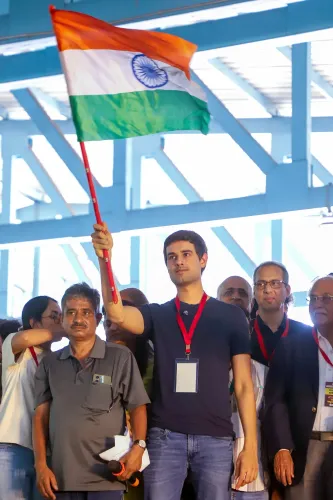
Social media influencer Dhruv Rathee was detained at his Gurugram residence by around 50 plain-clothes officers at approximately 8 am .
Police denied permission for the rally on Friday , citing the organisers' non-compliance with legal directions from a previous protest.
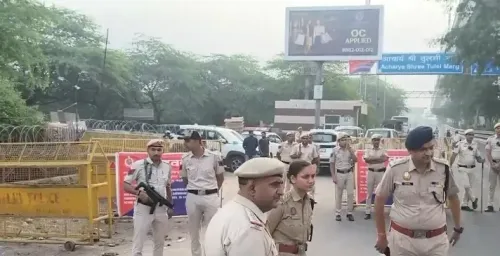
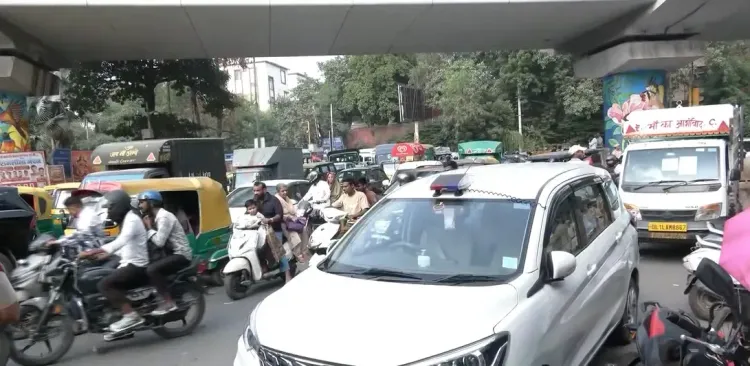
Heavy security and traffic diversions were enforced around Jhandewalan Metro Station and the broader NCR .
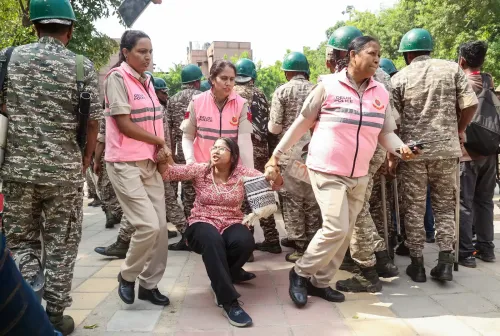
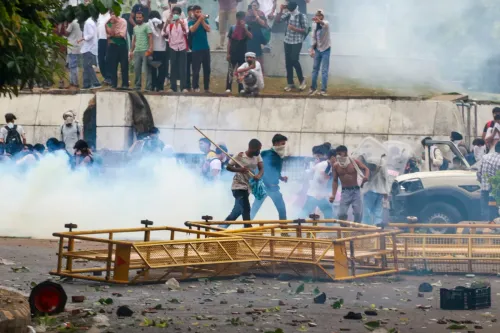
Stones were pelted at a bus transporting detained protesters through New Delhi's Jhandewalan area on Saturday, 10 October 2026, as police continued large-scale detentions of individuals heading to Jantar Mantar for the Cockroach Janta Party's (CJP) proposed demonstration against Chief Election Commissioner (CEC) Gyanesh Kumar. Officials confirmed the attack, which prompted additional police action on the spot.
How the Stone-Pelting Incident Unfolded
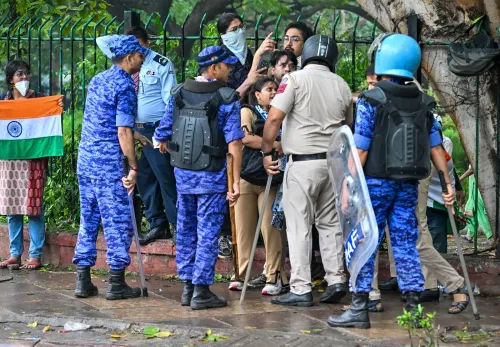
According to officials, the bus came under attack while police personnel were moving some of the detained individuals through the Jhandewalan stretch. A few detainees allegedly attempted to break free from custody and reportedly tried to damage the vehicle in the process. Officers managed to re-detain those individuals and transported them to the designated holding location, officials said. Security around Jhandewalan Metro Station was subsequently reinforced, with a heavy police deployment and traffic restrictions put in place to prevent further disruption.
Over 1,000 Detained Across the Capital
The stone-pelting episode formed one flashpoint in a much wider crackdown. By Saturday, police had detained more than 1,000 protesters across the national capital who were reportedly en route to the Jantar Mantar agitation. Significant traffic diversions were reported in and around Jhandewalan as security operations continued through the day.
Key CJP Leaders and Dhruv Rathee Detained
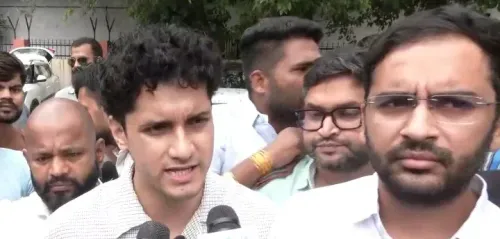
CJP founder Abhijeet Dipke, along with CJP spokespersons Saurav Das and Ashutosh Ranka, were detained upon arrival at Indira Gandhi International Airport (IGIA) ahead of the planned protest. Social media influencer Dhruv Rathee was also taken into custody at his residence in Gurugram. According to a post on the CJP's official X handle, approximately 50 police personnel in plain clothes arrived at Rathee's Gurugram home at around 8 am and detained him.
Why Permission Was Denied
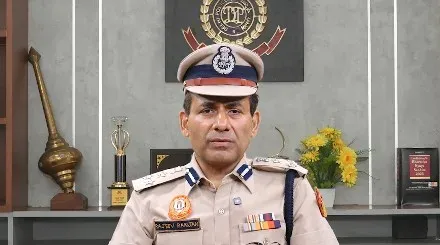
Police had on Friday formally denied permission for the CJP rally, citing the organisers' failure to comply with legal directions and their own undertakings given during an earlier protest. Authorities further intensified security across the National Capital Region (NCR) to maintain law and order and prevent protesters from reaching Jantar Mantar. This is not the first time CJP-linked events have triggered large-scale police deployments in the capital, though the scale of detentions — exceeding 1,000 in a single day — marks a notable escalation compared with previous incidents involving the group.
Wider Impact on Delhi
Beyond the immediate security response, Saturday's operations caused considerable disruption to normal city movement, with vehicle routes altered across the Jhandewalan corridor. The events have drawn attention to the tension between the right to protest and the state's authority to regulate public assemblies — a debate that is likely to intensify as the CJP weighs its next course of action.
Point of View
000 people before a protest even begins — and doing so at an airport and in residential Gurugram — raises hard questions about proportionality that go beyond law-and-order optics. The permission-denial rests on procedural grounds from an earlier rally, but the breadth of Saturday's operation, including the pre-emptive airport detention of CJP leadership, suggests a political calculation as much as a policing one. The stone-pelting at the bus, meanwhile, risks shifting the narrative from civil liberties to public disorder — which rarely helps the detained. Mainstream coverage tends to focus on the spectacle of the crackdown; what deserves equal scrutiny is the original grievance that drove thousands to travel to Delhi in the first place: the CJP's protest against Chief Election Commissioner Gyanesh Kumar.
NationPress
10 Oct 2026
Frequently Asked Questions
Why were CJP protesters being detained in Delhi on 10 October 2026?
Delhi police detained over 1,000 Cockroach Janta Party (CJP) supporters on Saturday as they headed to Jantar Mantar for a protest against Chief Election Commissioner Gyanesh Kumar. Permission for the rally had been denied on Friday after organisers allegedly failed to comply with legal directions linked to an earlier protest.
What happened at Jhandewalan during the CJP protest crackdown?
Stones were pelted at a police bus transporting detained CJP protesters through Jhandewalan on Saturday. Some detainees reportedly attempted to escape and damage the vehicle before being re-detained and moved to a designated holding location.
Was Dhruv Rathee detained in connection with the CJP protest?
Yes. Social media influencer Dhruv Rathee was detained at his residence in Gurugram early on Saturday morning. According to the CJP's official X post, around 50 plain-clothes police personnel arrived at his home at approximately 8 am and took him into custody.
Who else from the CJP leadership was detained?
CJP founder Abhijeet Dipke and spokespersons Saurav Das and Ashutosh Ranka were detained upon arrival at Indira Gandhi International Airport (IGIA) before they could reach the protest venue at Jantar Mantar.
Why was permission for the CJP's Jantar Mantar protest denied?
Delhi police denied permission on Friday, stating that the organisers had failed to comply with legal directions and had not honoured undertakings they had given during a previous CJP protest. Security was subsequently intensified across the NCR to prevent protesters from gathering at the venue.