CJP denies Supreme Court petition over leaders' detention at Jantar Mantar
Synopsis
The Cockroach Janta Party has publicly denied filing a habeas corpus petition in the Supreme Court — even as over 3,000 of its supporters, including prominent political figures, remain allegedly detained after a mass crackdown on its anti-CEC protest at Jantar Mantar. The denial adds a new layer of confusion to an already volatile standoff over electoral roll irregularities.
Key Takeaways
Ratna Singh , CJP's legal affairs head, denied on 11 October 2026 that the party filed any Supreme Court petition over detentions.
A disputed habeas corpus petition under Article 32 had sought the release of those detained in connection with the 10 October 2026 Jantar Mantar protest.
Over 3,000 protesters — including Mamata Banerjee , Arvind Kejriwal , and CJP leaders — were reportedly detained on Saturday, 10 October 2026 .
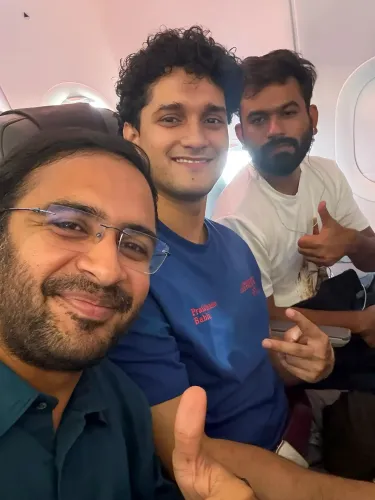
CJP leaders Abhijeet Dipke, Saurav Das , and Ashutosh Ranka were detained at Indira Gandhi International Airport around 10:30 am IST .
The protest targeted Chief Election Commissioner Gyanesh Kumar over alleged irregularities in the Special Intensive Revision (SIR) of electoral rolls.
CJP leader Ajinkya Shinde announced a fresh march to Jantar Mantar on Sunday, vowing protests until the CEC resigns.
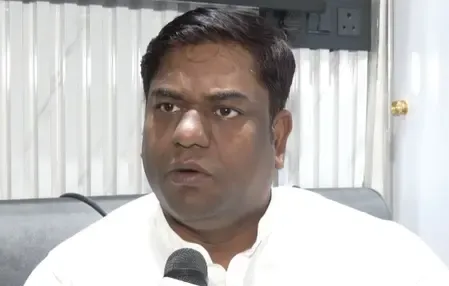
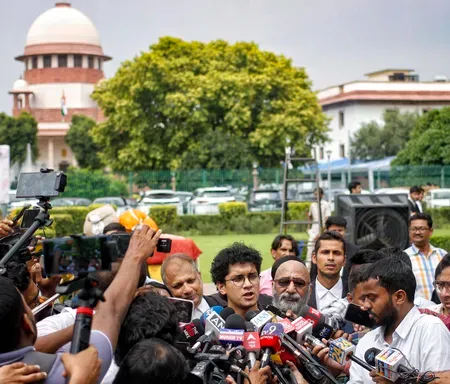
The Cockroach Janta Party (CJP) on Sunday, 11 October 2026, formally distanced itself from a habeas corpus petition circulating on social media that purportedly sought the release of its detained leaders from Supreme Court. Ratna Singh, the party's legal affairs head, clarified via a post on X that the petition was not filed by the CJP and that the party had no plans to approach the apex court over the alleged detentions in New Delhi.
The Denial and the Disputed Petition
Singh posted directly on X, tagging a petition that had been shared by a legal news platform on the same platform. 'Pls note - This petition is not filed by @Cockroachisback. We are not approaching the Supreme Court, and no habeas corpus petition has been approved by the CJP's legal team,' she stated.
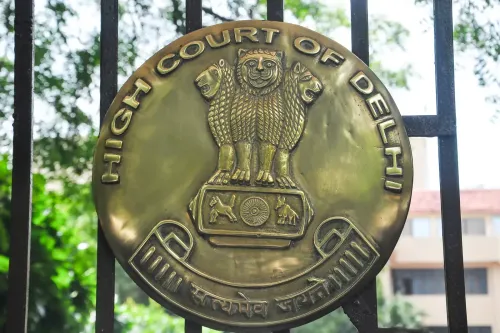
The disputed petition, filed under Article 32 of the Constitution, had sought a writ of habeas corpus directing authorities to produce before the court all persons allegedly detained in connection with the CJP's proposed demonstration at Jantar Mantar, New Delhi, on 10 October 2026, and to release those whose custody was not authorised by law. Singh categorically asserted the document did not originate from the party.
Mass Detentions on Saturday
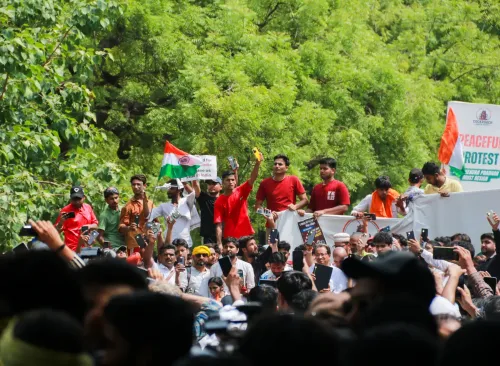
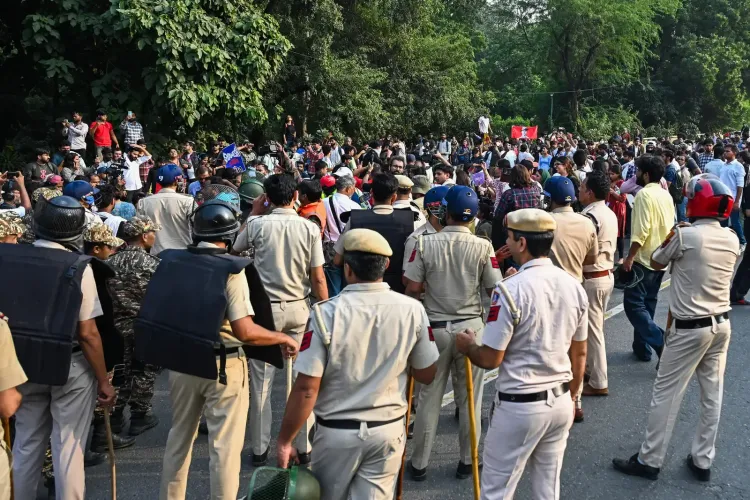
Singh's clarification came a day after sweeping detentions across the capital. According to reports, over 3,000 anti-Chief Election Commissioner protesters — including CJP's Abhijeet Dipke and prominent political figures such as Mamata Banerjee and Arvind Kejriwal — were detained on Saturday, 10 October 2026, as law enforcement threw what was described as an unprecedented security cordon around New Delhi.
The security measures effectively broke up the planned agitation at Jantar Mantar into several smaller, scattered gatherings across the city. CJP leaders Abhijeet Dipke, Saurav Das, and Ashutosh Ranka were reportedly detained around 10:30 am IST by police at Indira Gandhi International Airport while en route to the protest venue.
Why the Protest Was Called
The CJP's demonstration was directed at Chief Election Commissioner (CEC) Gyanesh Kumar over alleged irregularities in the Special Intensive Revision (SIR) of electoral rolls. The protesters were demanding Kumar's resignation, a call that CJP leader Ajinkya Shinde reiterated on Sunday, announcing that demonstrators would march again to Jantar Mantar and would 'rest only after the CEC's resignation.'
Authorities Had Denied Permission
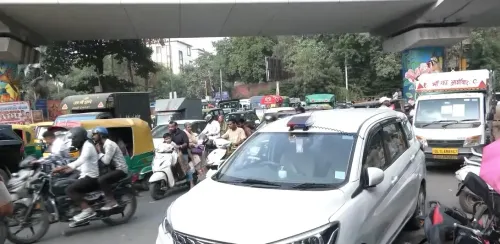
Authorities had earlier refused permission for the demonstration, citing the risk of public disorder. Officials imposed internet restrictions, roadblocks, and traffic diversions in anticipation of large crowds — measures reminiscent of those taken ahead of the CJP's July 2026 protest at Jantar Mantar, which had reportedly turned violent. This is the second major attempt by the CJP to stage a large-scale demonstration at the same venue within months.
What Happens Next
With CJP leadership vowing to continue protests and the party simultaneously ruling out a Supreme Court intervention, the standoff over the SIR process and the CEC's position is set to intensify. The question of whether the detained individuals remain in custody or are released without charge will likely shape the party's next move and the broader political temperature in the capital.
Point of View
However, is the scale of the crackdown: detaining over 3,000 people, including sitting politicians, to prevent a single demonstration raises serious questions about the proportionality of the state's response. The CEC controversy over the SIR process has not been adequately scrutinised by mainstream coverage, which has focused on the spectacle of the protests rather than the underlying electoral integrity concerns that triggered them.
NationPress
11 Oct 2026
Frequently Asked Questions
Did the Cockroach Janta Party file a Supreme Court petition over its leaders' detention?
No. CJP's legal affairs head Ratna Singh clarified on 11 October 2026 via a post on X that the party did not file any habeas corpus petition in the Supreme Court and was not approaching the apex court over the alleged detentions.
What was the petition that circulated on social media?
The petition, filed under Article 32 of the Constitution, sought a writ of habeas corpus directing authorities to produce and release all persons allegedly detained in connection with the CJP's proposed protest at Jantar Mantar on 10 October 2026. The CJP has denied any association with it.
Why were CJP leaders and protesters detained in Delhi?
Authorities detained over 3,000 protesters, including CJP leaders and politicians such as Mamata Banerjee and Arvind Kejriwal, to prevent a planned demonstration at Jantar Mantar on 10 October 2026. The protest was directed at Chief Election Commissioner Gyanesh Kumar over alleged irregularities in the Special Intensive Revision of electoral rolls.
Who were the CJP leaders detained at the airport?
CJP leaders Abhijeet Dipke, Saurav Das, and Ashutosh Ranka were reportedly detained around 10:30 am IST on Saturday by police at Indira Gandhi International Airport in Delhi while travelling to Jantar Mantar to join the protest.
What is the CJP's next step after the detentions?
CJP leader Ajinkya Shinde announced on Sunday that protesters would march again to Jantar Mantar and would not stand down until Chief Election Commissioner Gyanesh Kumar resigns. The party has ruled out approaching the Supreme Court for now.